
Saturday 19th April 2025
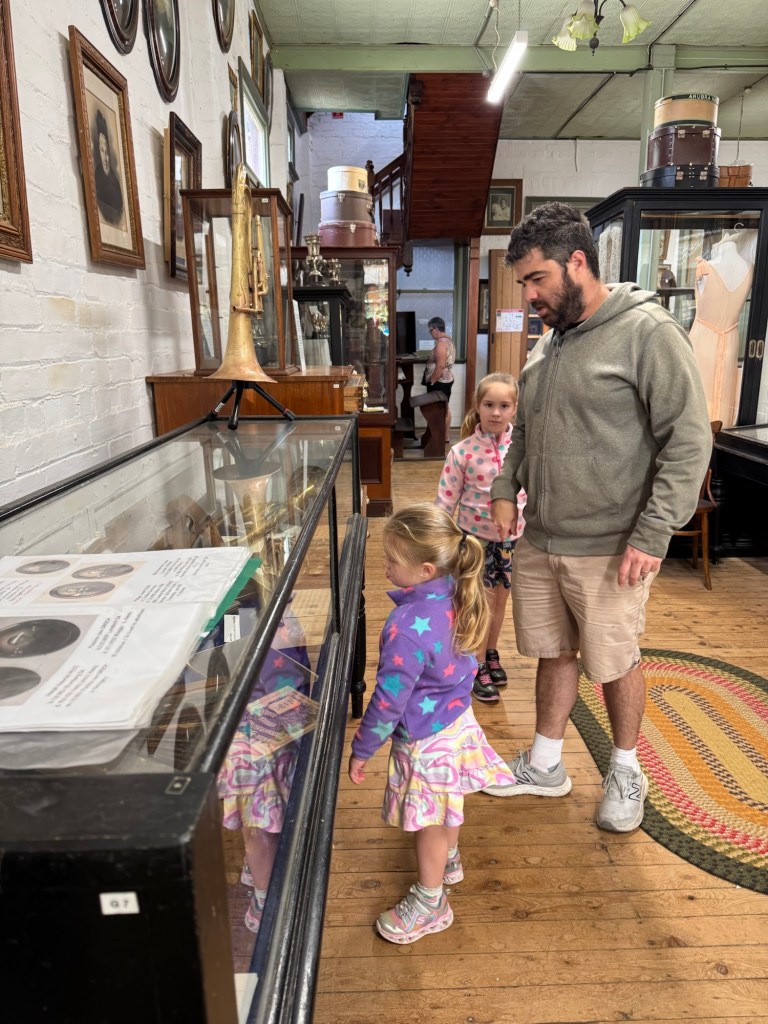
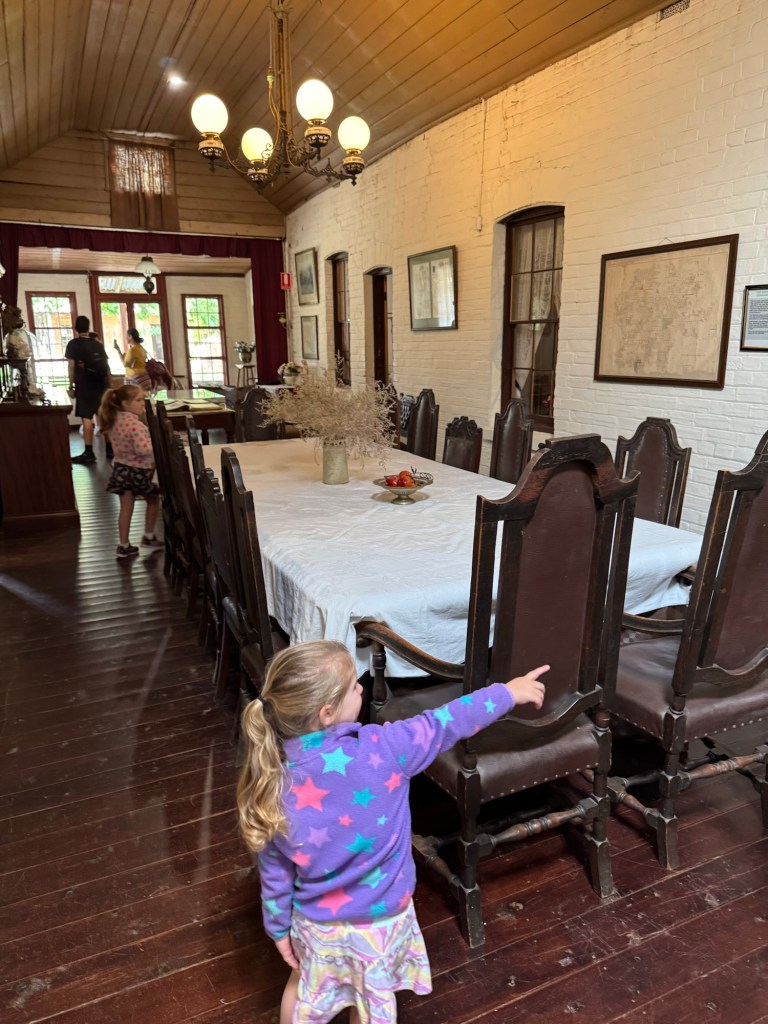
Today we were going to visit Jindera Pioneer village at the heart of the town we are staying in.
The museum is on the main street of Jindera called Urana Street. It is open every day except Christmas Day and they had Devonshire tea available every Sunday from 11am.
The museum itself boasts more than 400 exhibits surrounded by two acres of gardens.
The girls were given a scavenger hunt booklet on entry to find different items was we walked around. It kept Madeline very interested.
This afternoon we went shopping and had some downtime around the farm house.
Tomorrow we celebrate Easter Sunday.
Jindera Pioneers- brief history
The Blacksmith
Jindera Hotel opened its doors in 1870, Molkentin Blacksmith followed in 1872, and Wagner’s Store completed the trio in 1874.
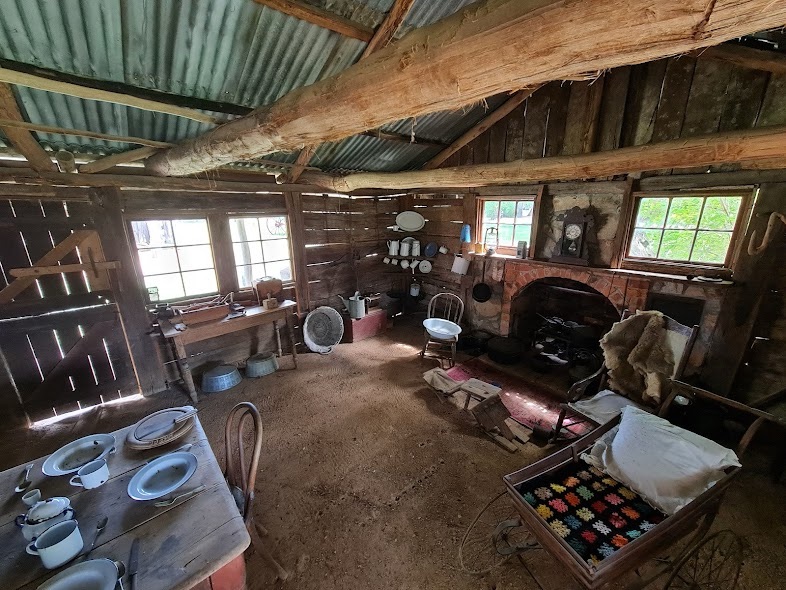
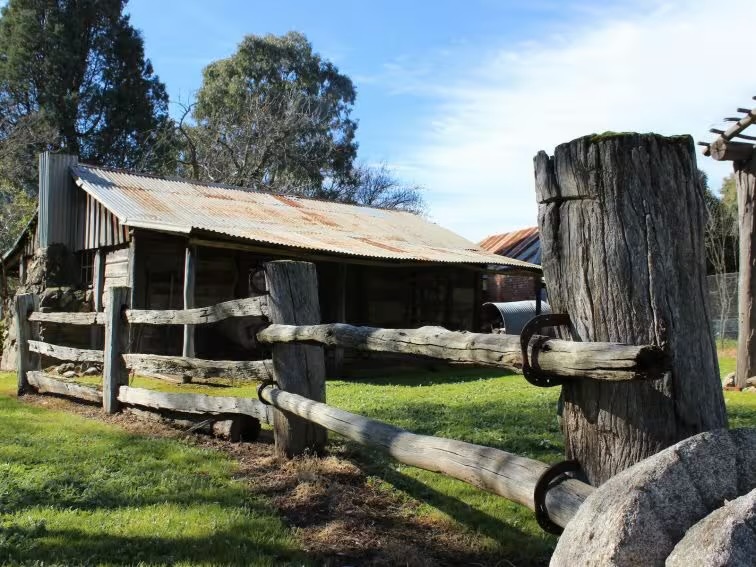
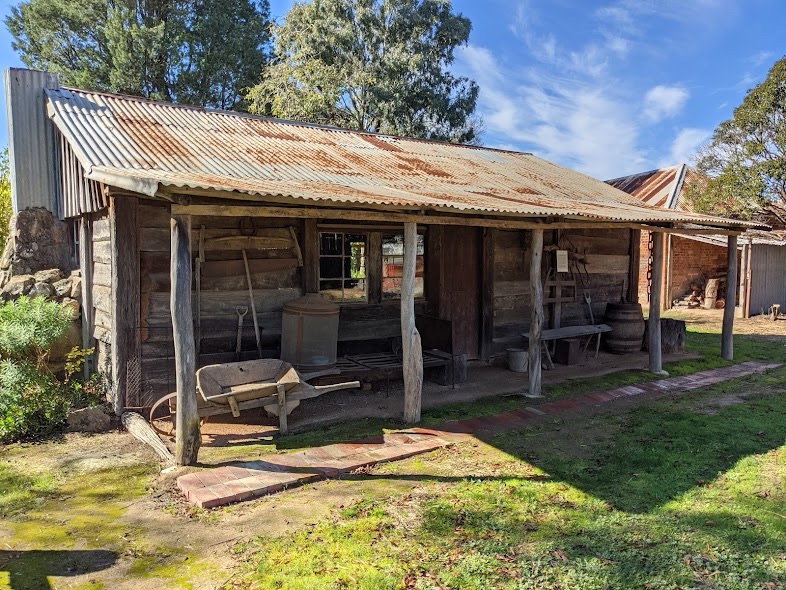
The first place we saw was the Blacksmiths. This was the original site and everything on the hut was the same except the wooden roof has been changed to tin.
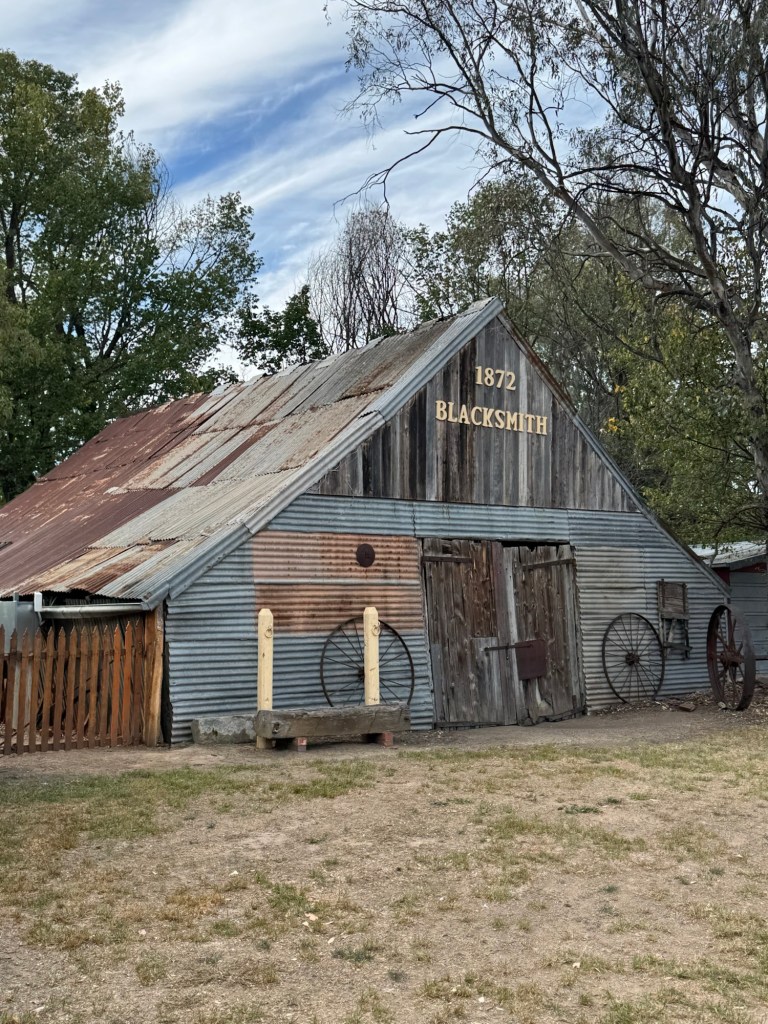
Reinhardt Molkentin became Jindera’s first blacksmith and wheelwright. Tragically, in his early 30s, Reinhardt was involved in a fatal workplace accident in 1885.
His business partner, Harry Harberecht, kept the business running until Reinhardt’s sons, Paul and Fred Molkentin, were old enough to take over the blacksmith shop for their mother.
Fred Wehner, a qualified blacksmith and wheelwright, arrived from Germany in 1890. He initially worked in Walla Walla before moving to Jindera in 1899 to join the Molkentin business. Here, Fred met and married Bertha Molkentin, Paul and Fred’s sister. In 1908, Fred took over the wheelwright duties at the Jindera blacksmith shop.
In 1915, Fred Wehner purchased the business from the Molkentin family and continued to operate it with his son Ernst. Fred passed away in 1957, and Ernie continued as both blacksmith and wheelwright until his death in 1994.
Wagner Store
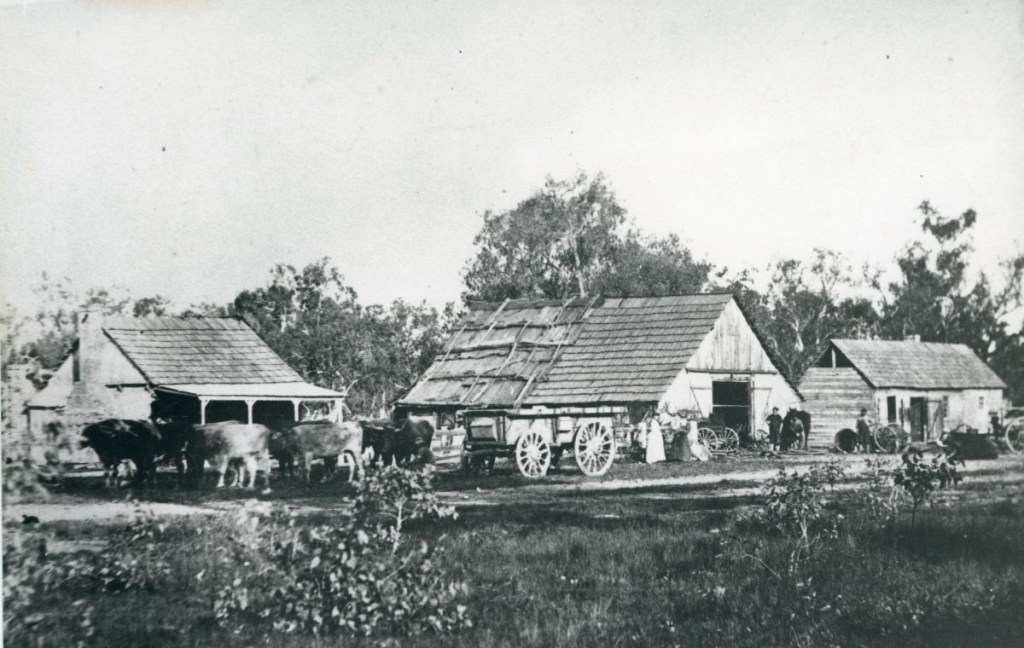
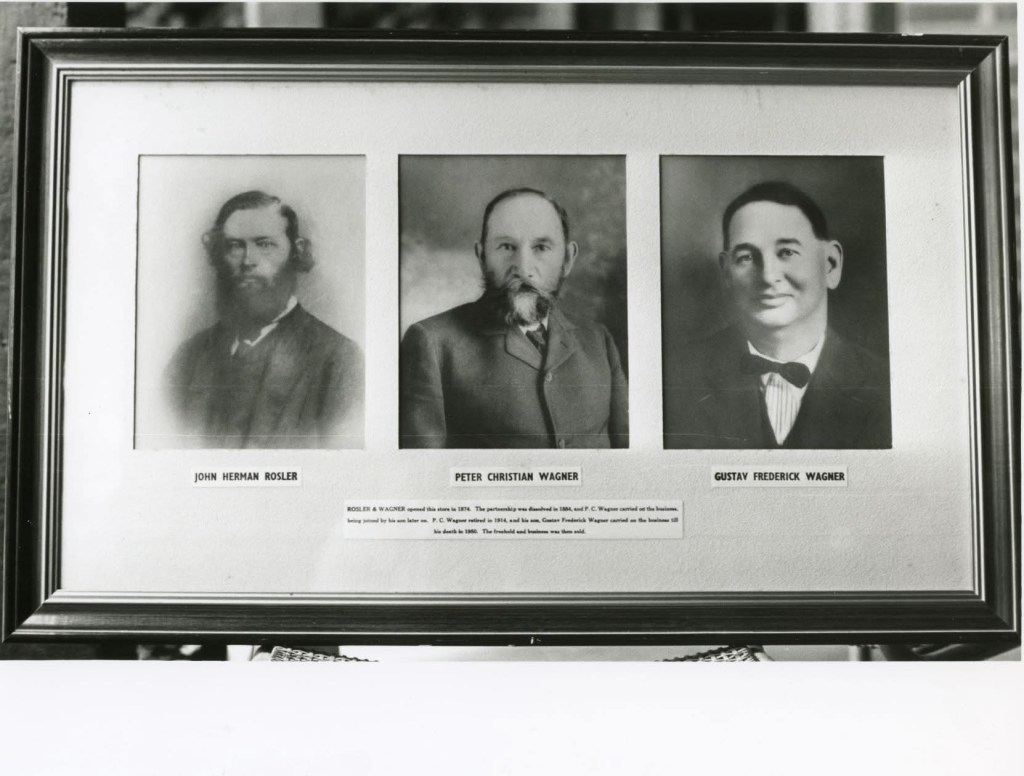
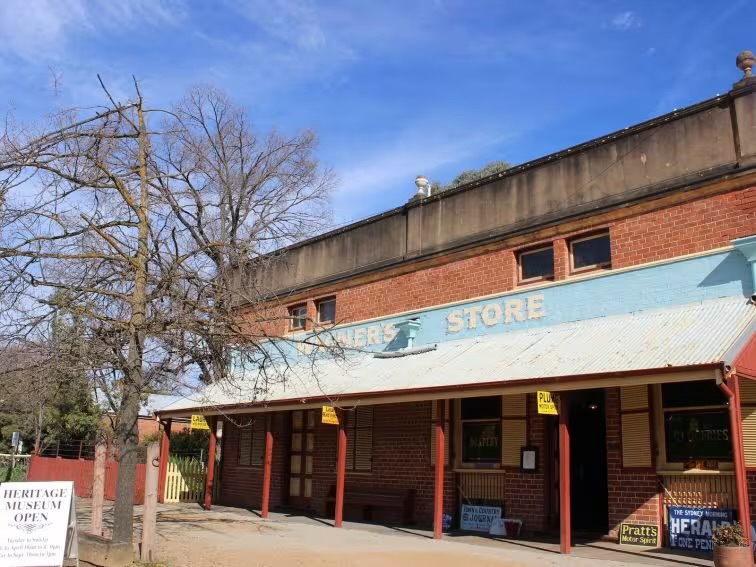
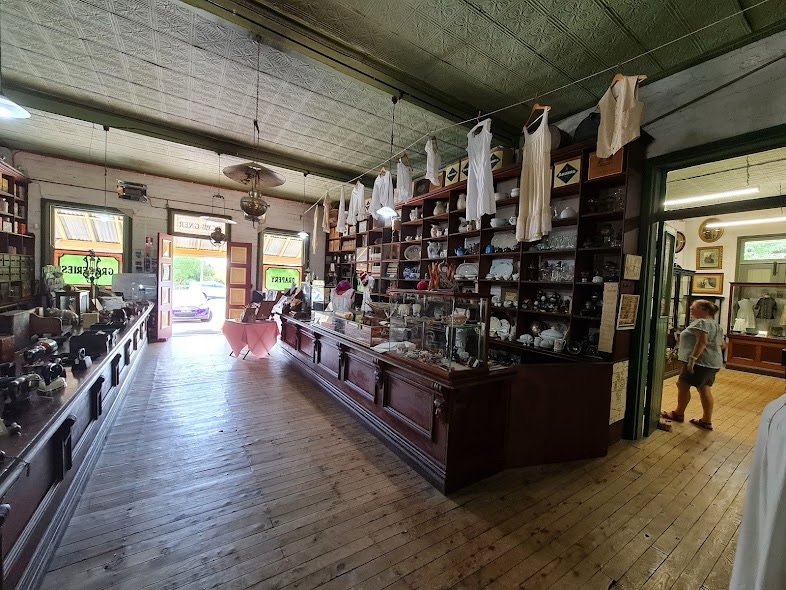
Rosler & Wagner opened the store in 1874. The partnership was dissolved in 1884, and P.C. Wagner carried on the business, being joined by his son later on.
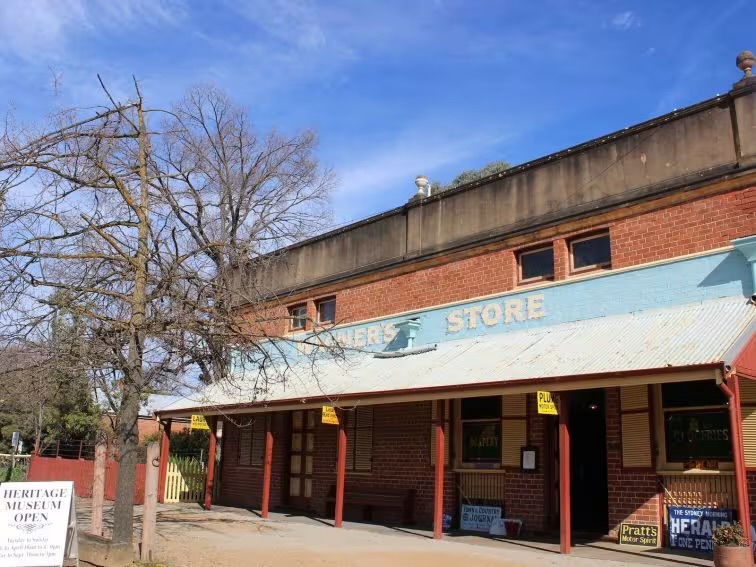
P.C. Wagner retired in 1914, and his son, Gustav Frederick Wagner carried on the business till his death in 1950. The freehold and business was then sold.
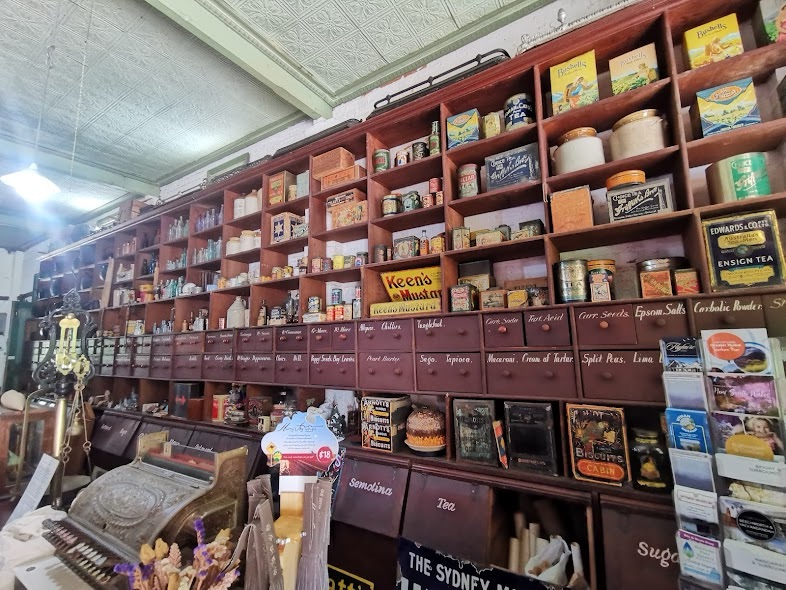
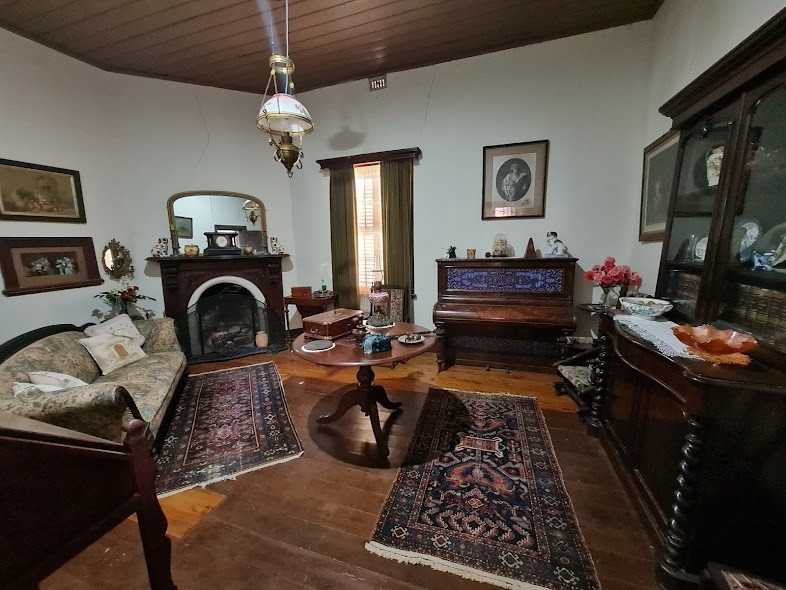
The store boasts a tea room as well as a 8 room residence upstairs.

 morrisblog.travel.blog