Sunday 24th April 2022
Yesterday we stayed in Port Pirie. We didn’t do much so we skipped a day of blogging.
Today we drive south east along the Yorke Peninsula to the only town we could get accommodation last minute, Edithburgh.
We stopped for lunch in the caravan at Androssan and continued our journey.
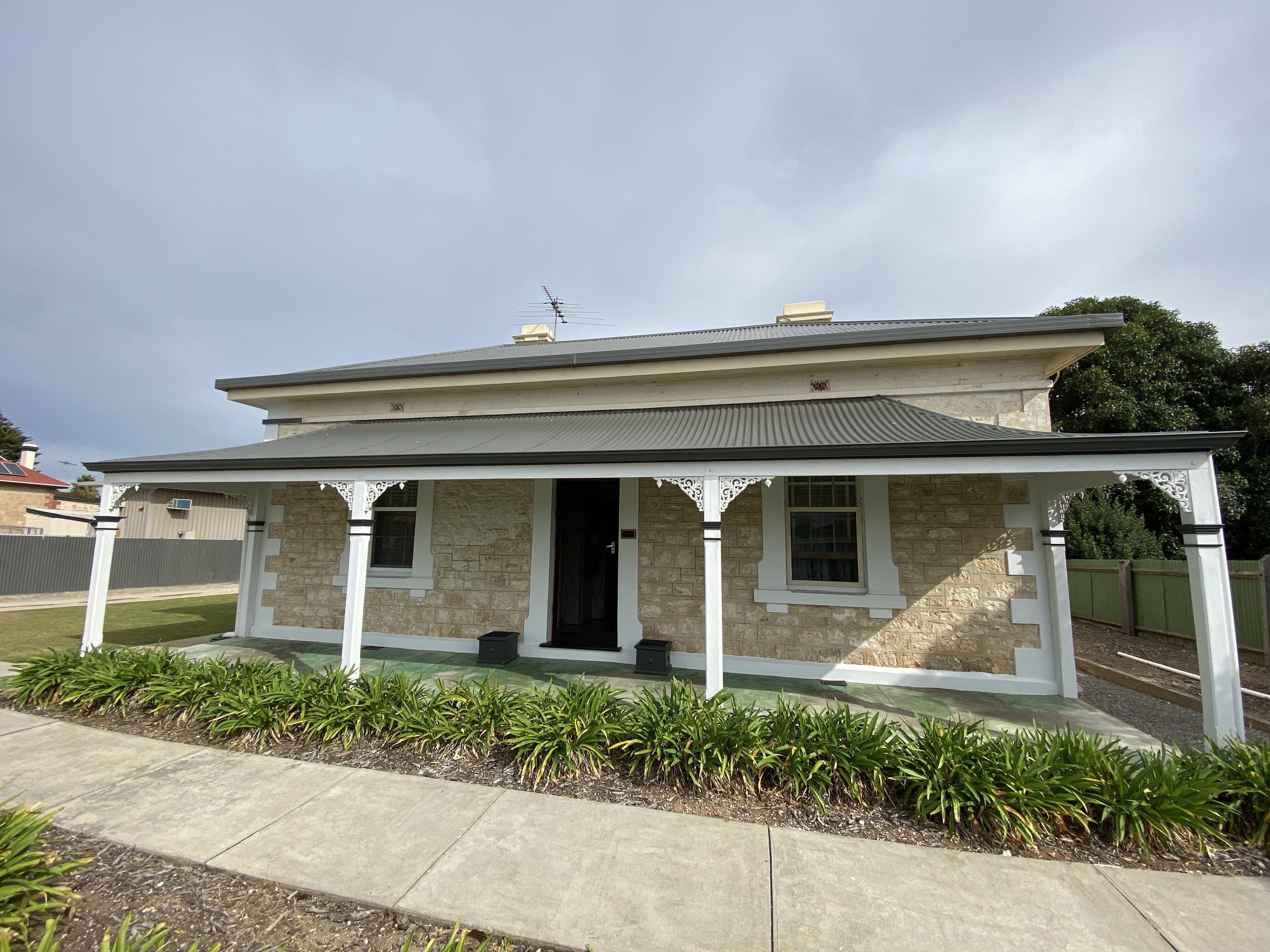
As we drove the Main Street toward the caravan park, we noticed almost every house was a well kept heritage house. The houses were stunning and so well cared for.
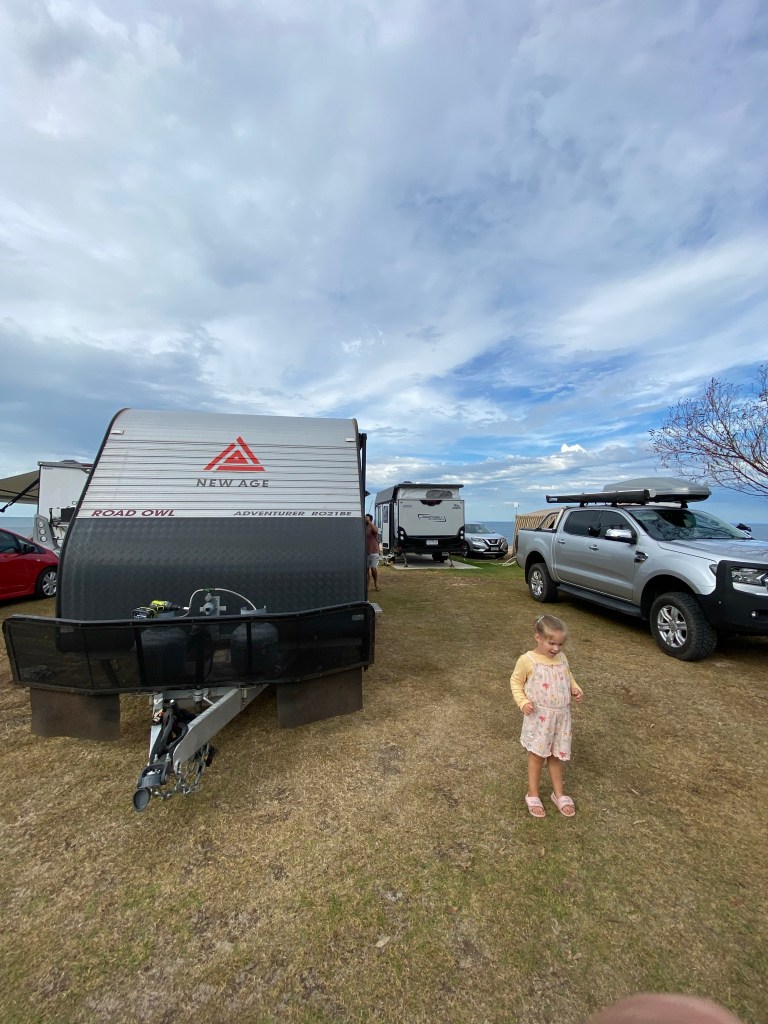
We set up our site and decided to go for a walk along the foreshore.
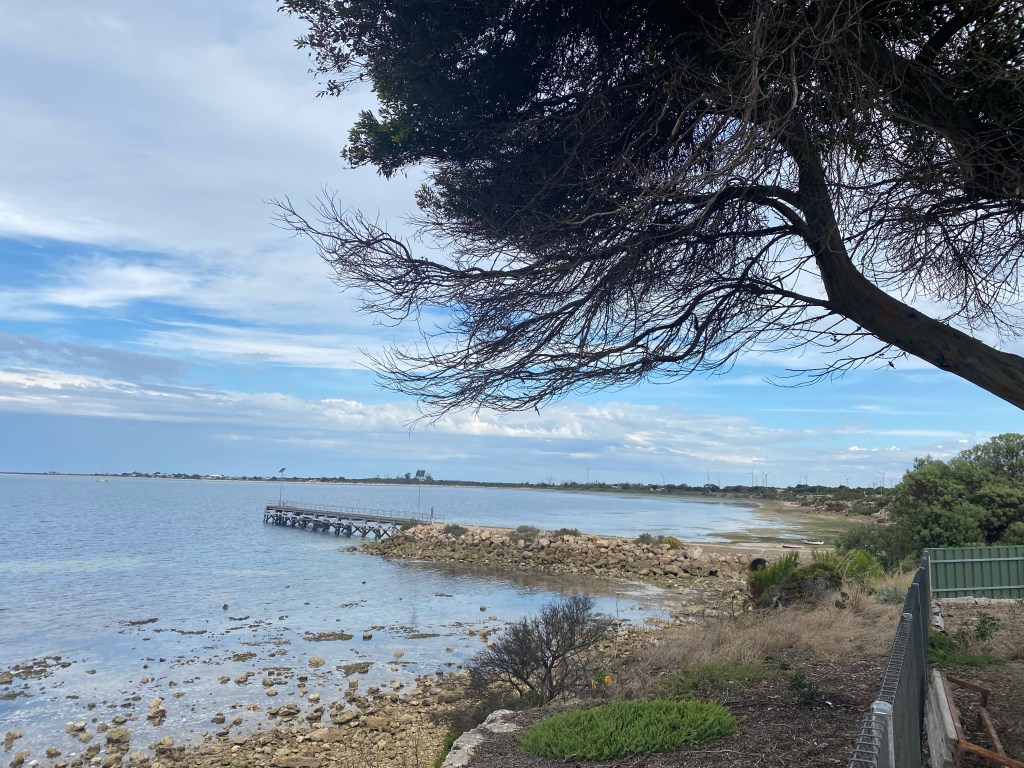
We did little more for the afternoon. We did go to the playground in the park where Madeline played with two girls her age.
Monday 25th April 2022
Today we decided to do a walk through the small town.
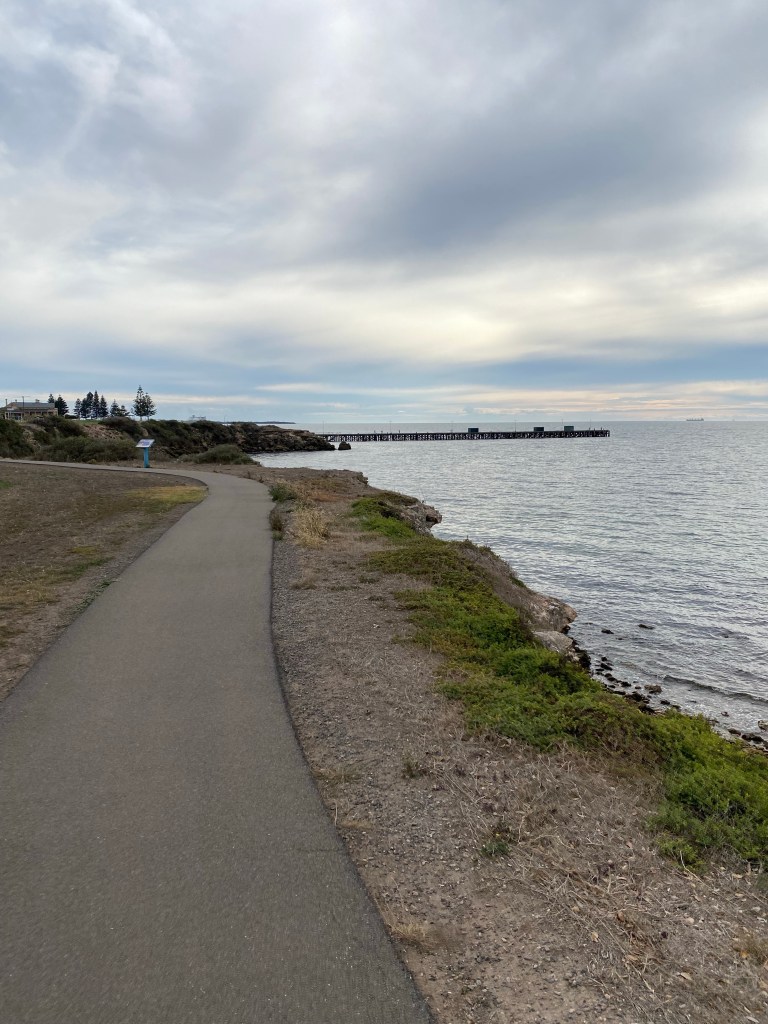
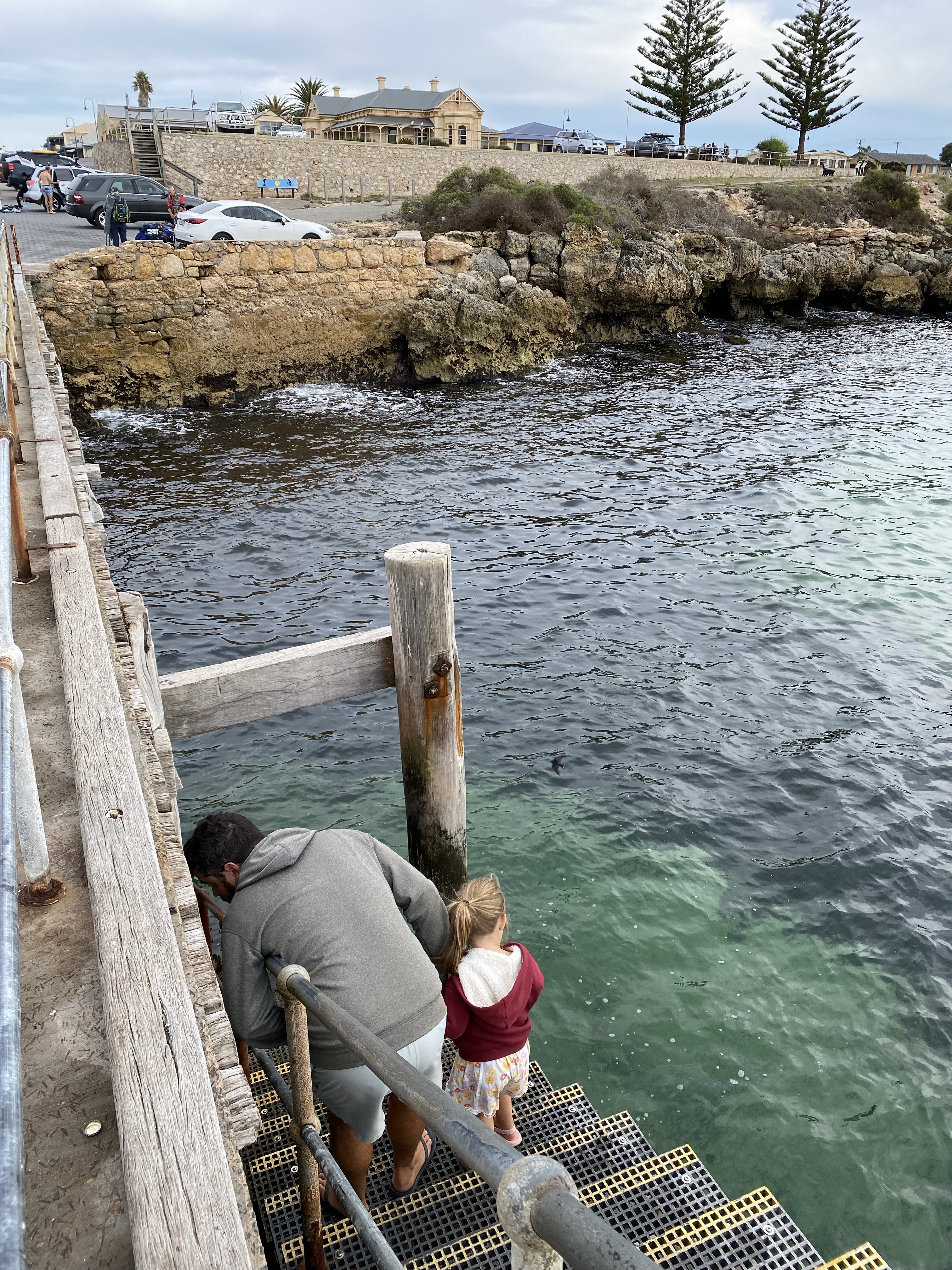
This area of the Peninsula is a common place for people to do scuba diving. Also spear fishing outside the marine park is also allowed. The Edithburgh Jetty is known for its resident Seahorses and Seadragons.
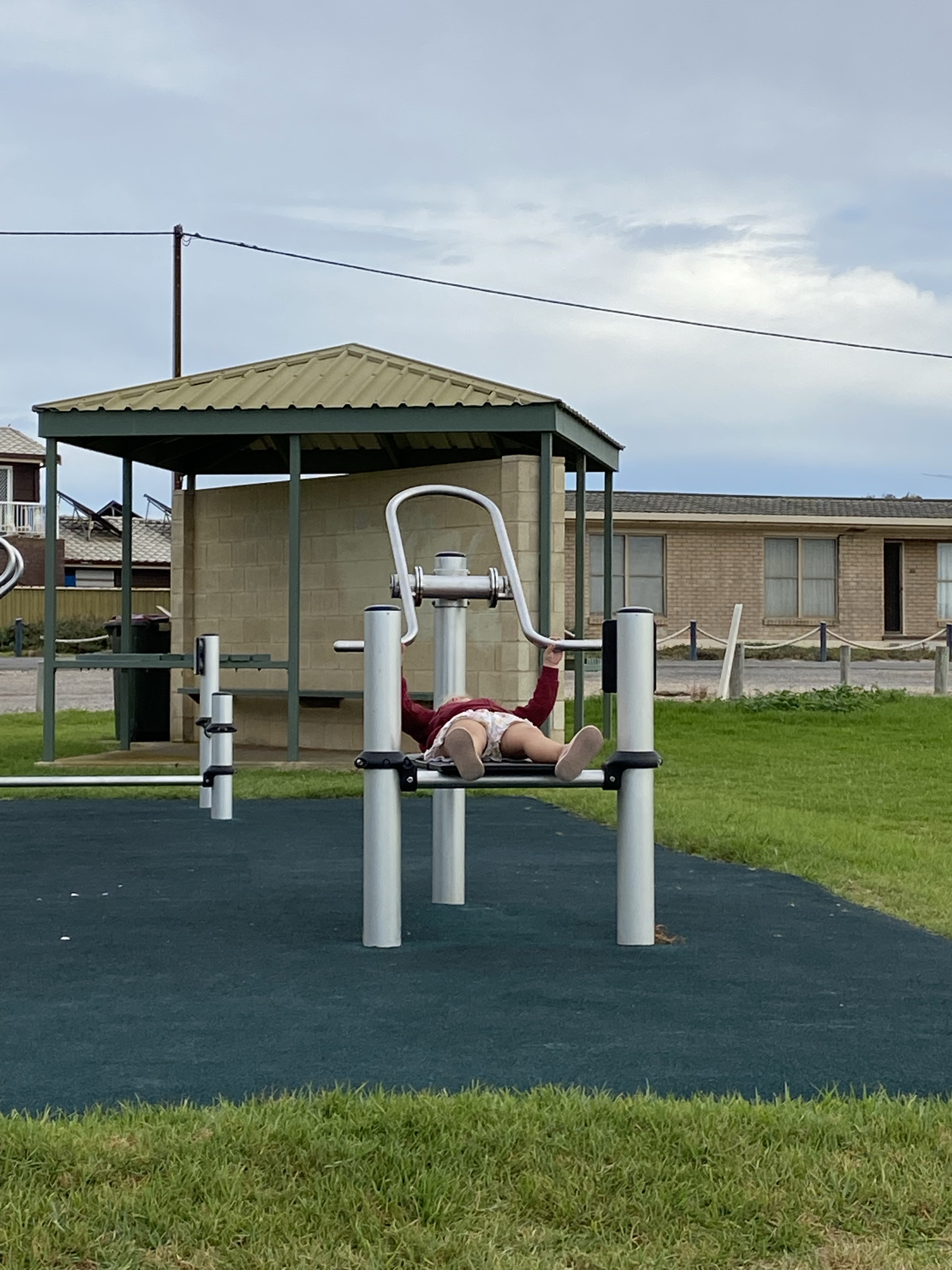
Along the way we stopped while Madeline and daddy did some exercise.
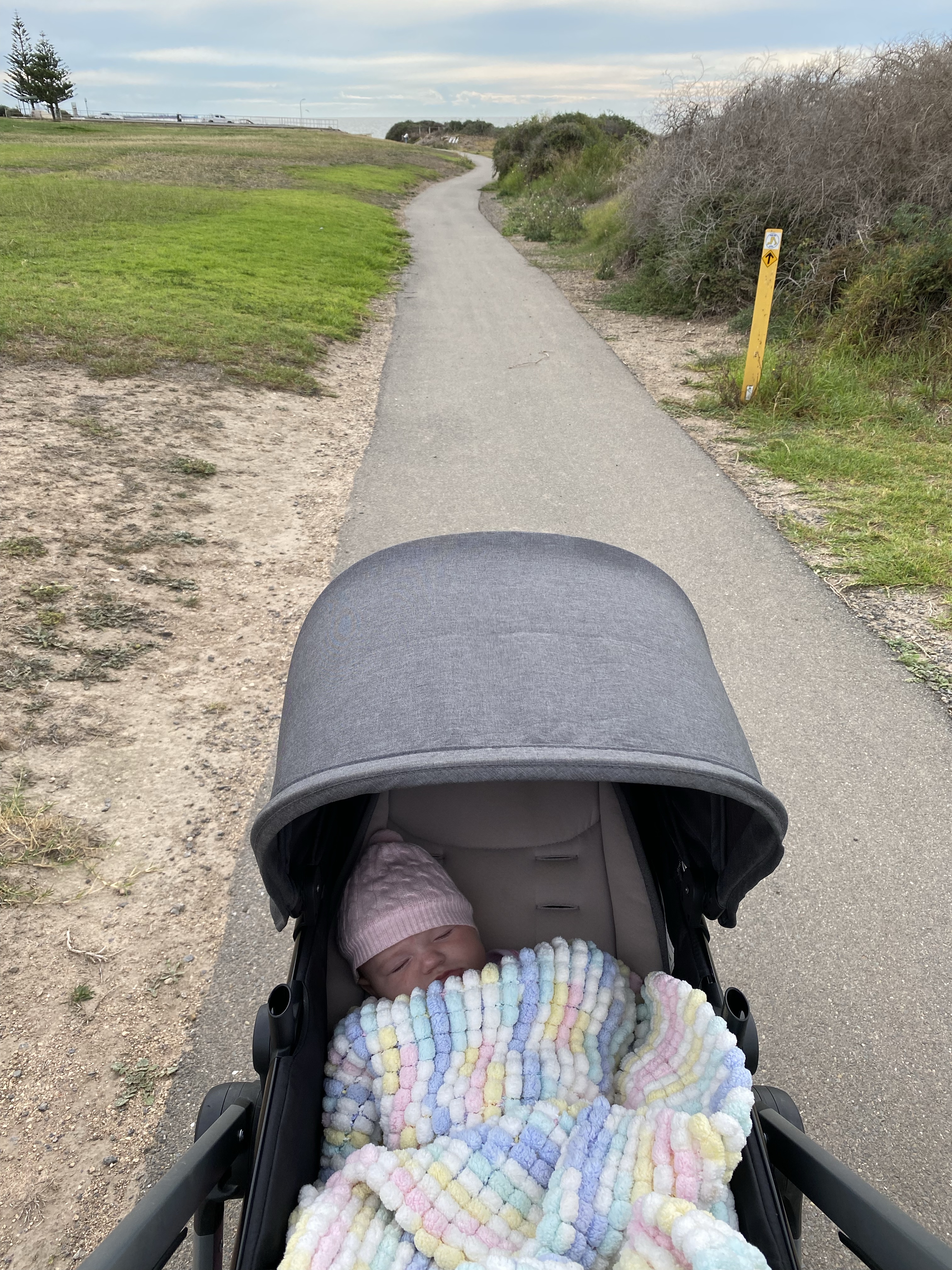
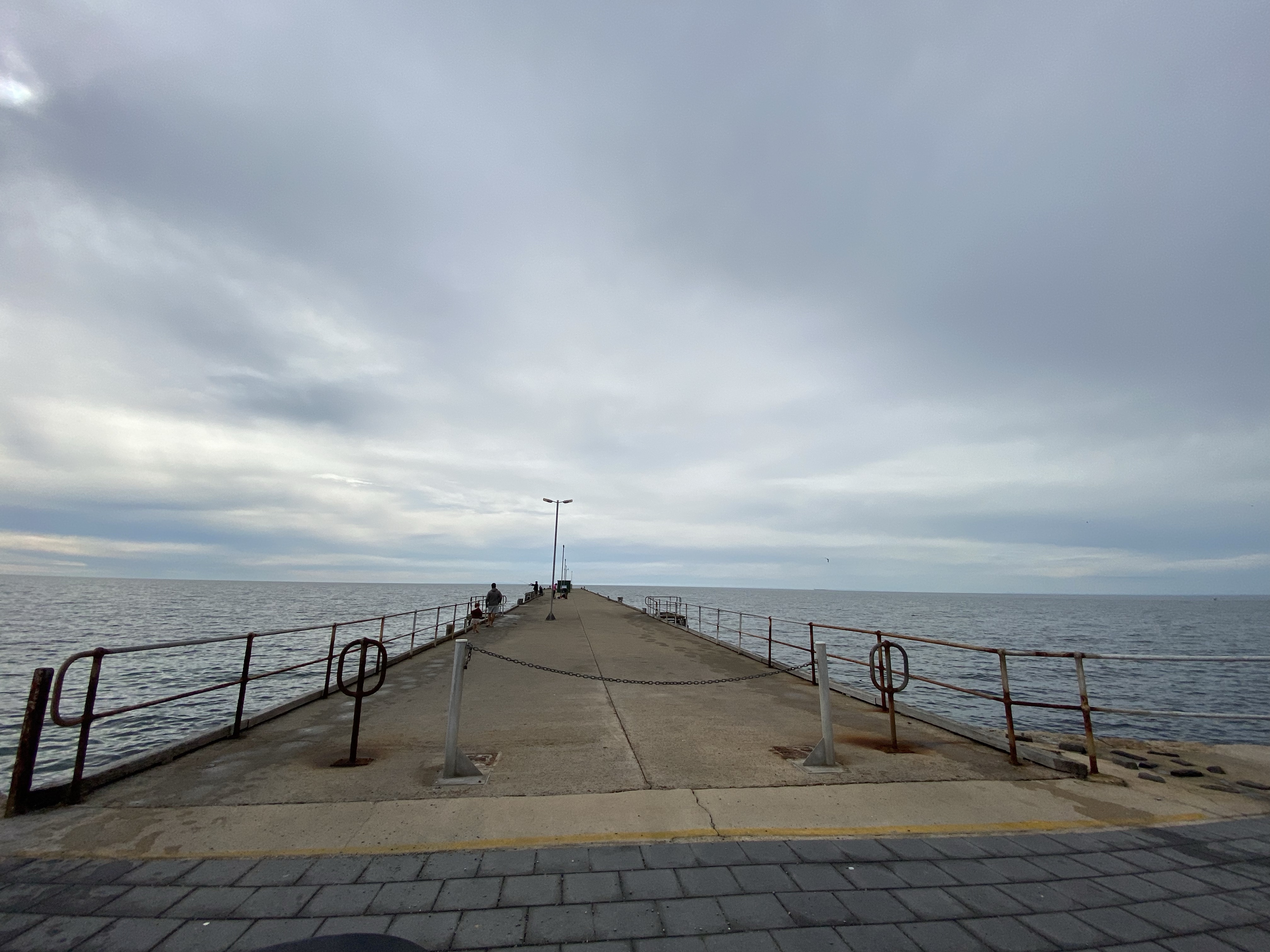
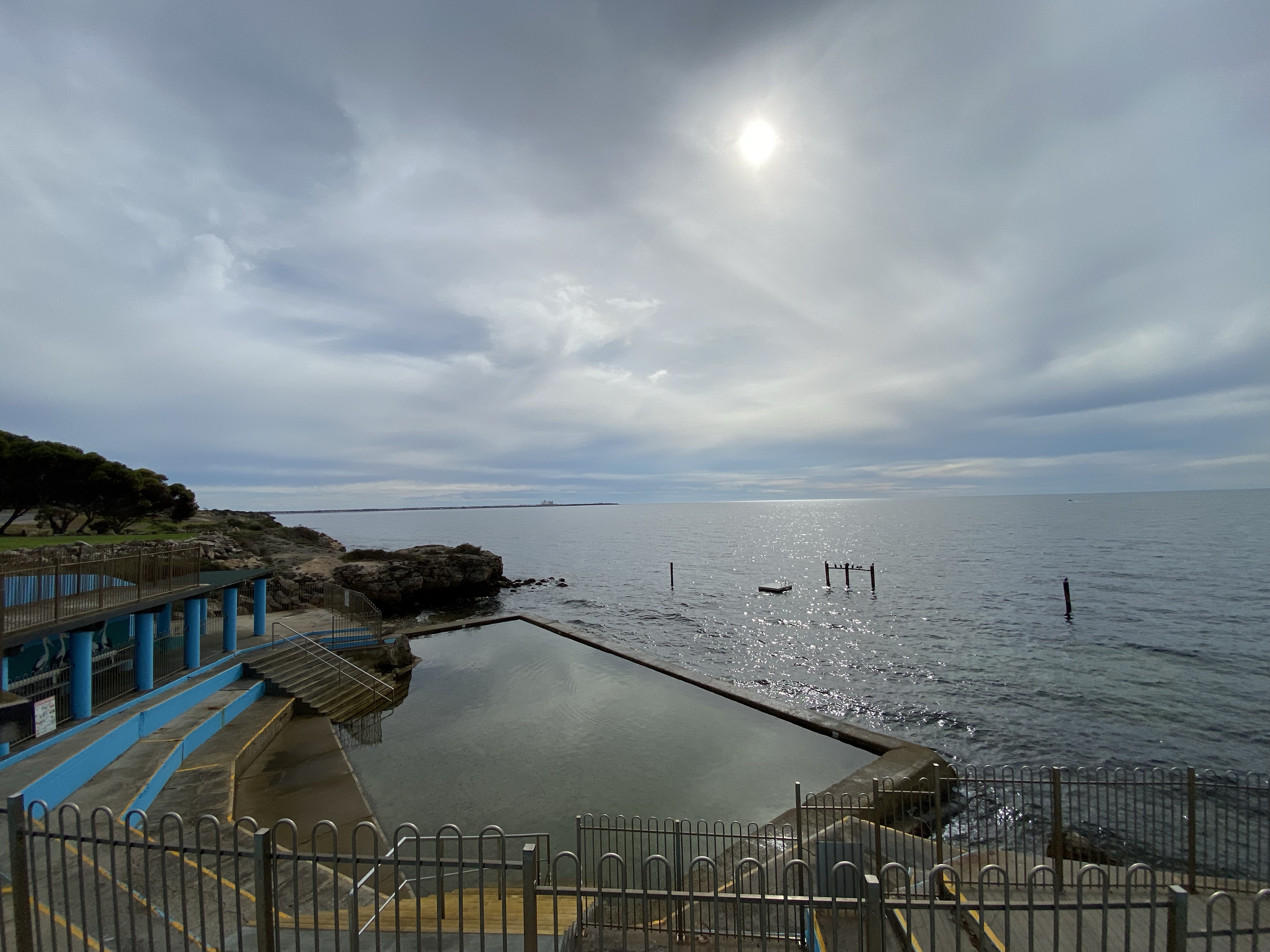
We then continued our walk to the Jetty and then to the tidal pool.
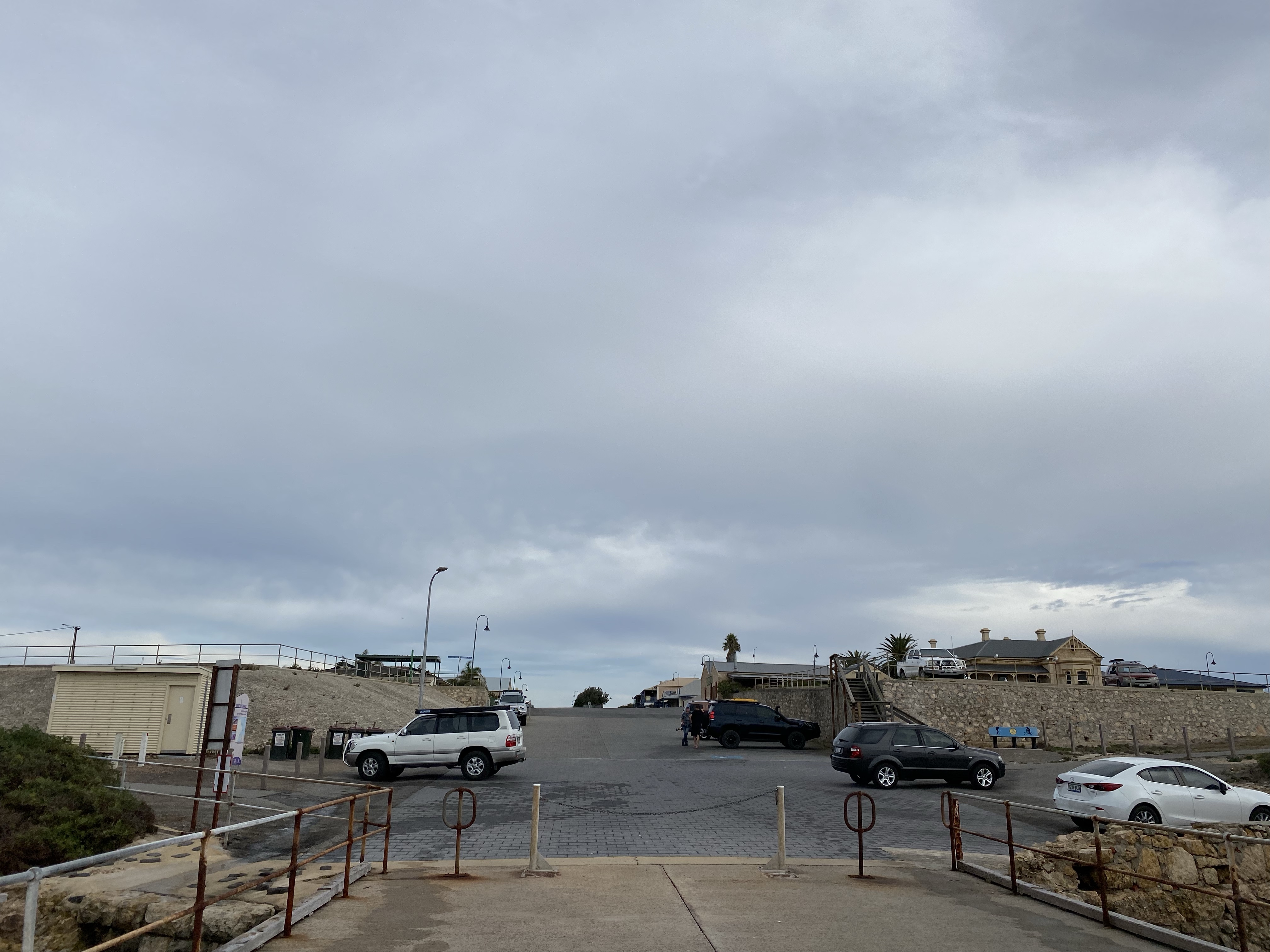
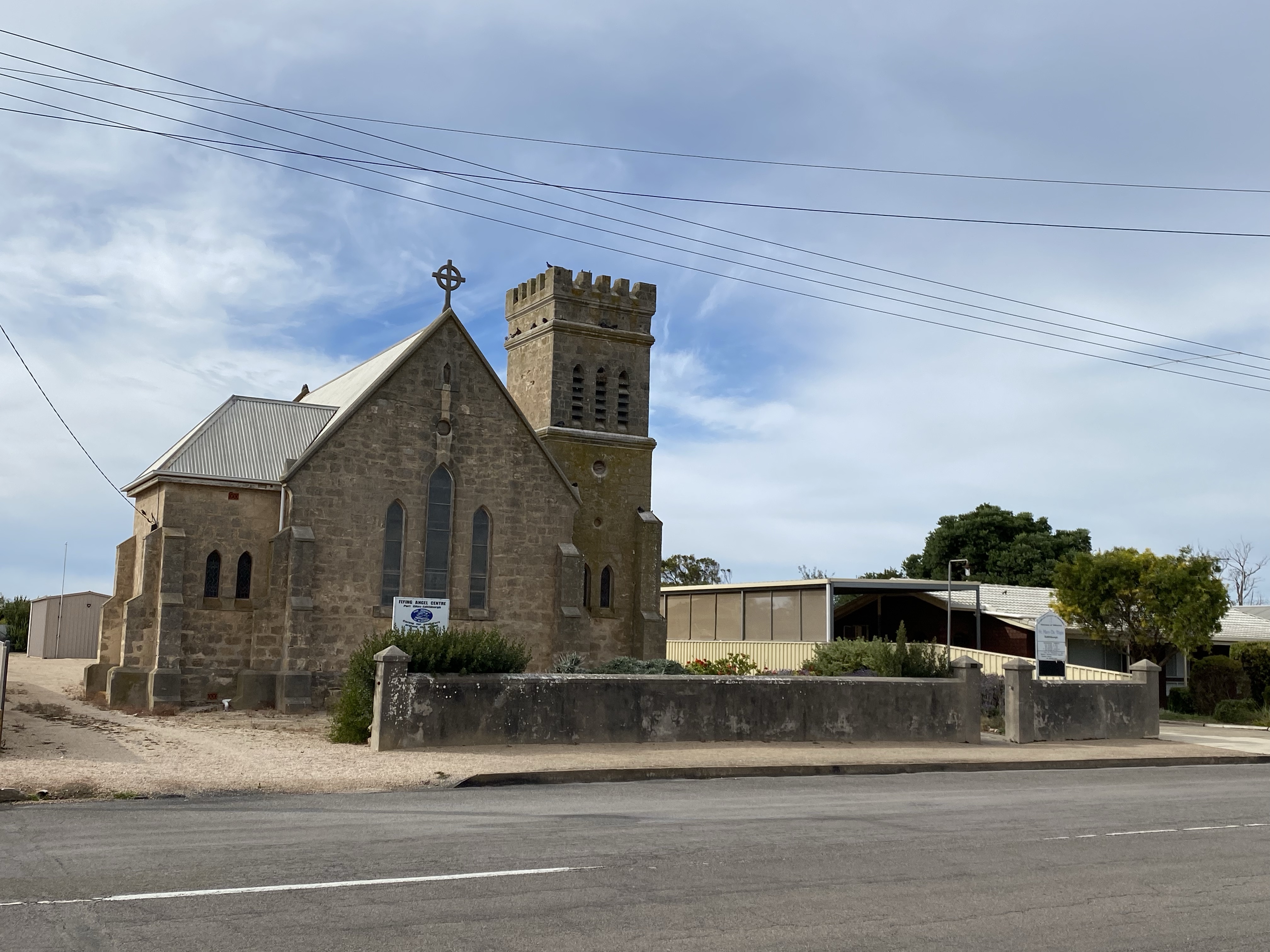
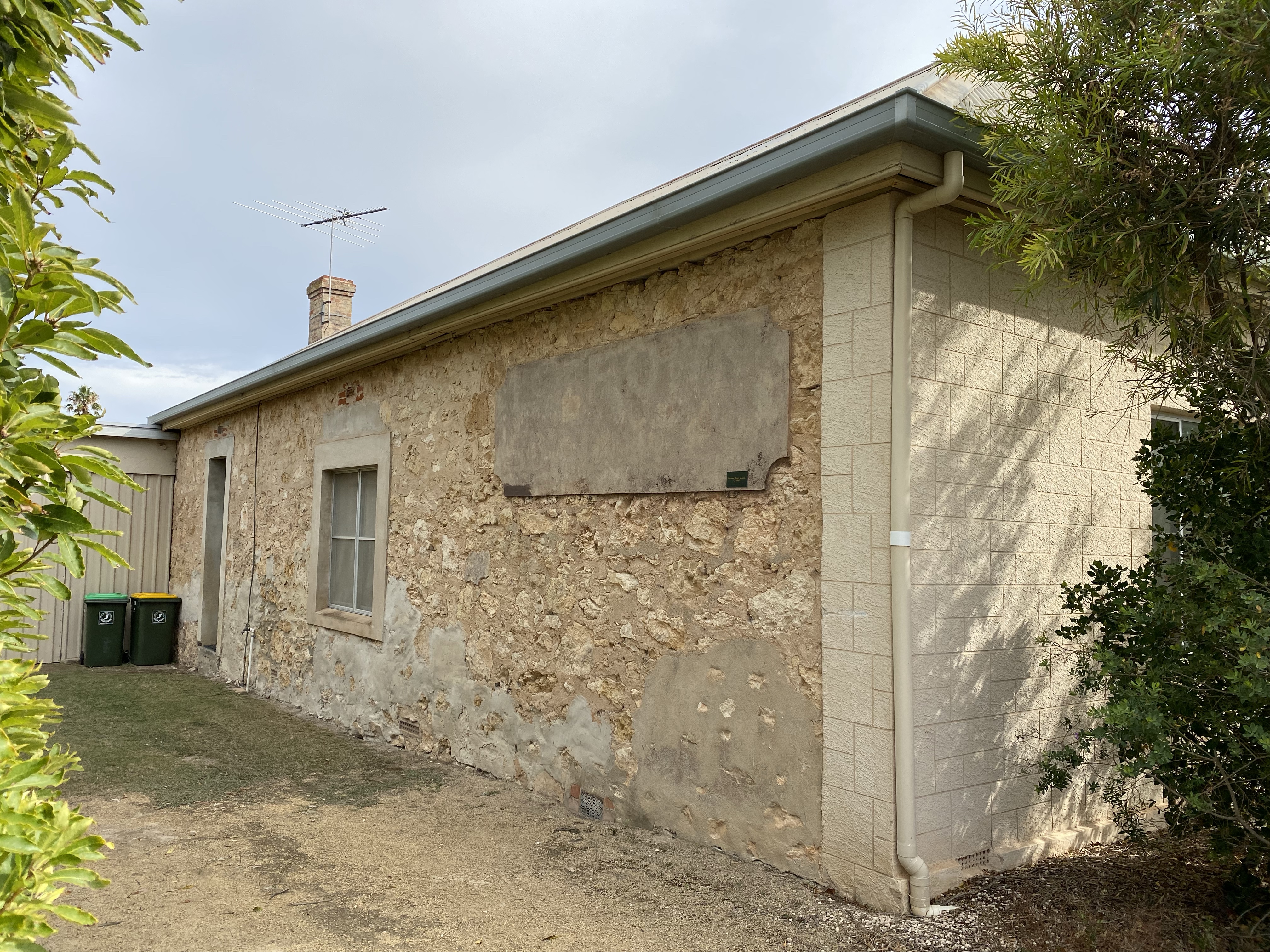
We walked along the Main Street and were able to identify some of the buildings due to their plaques.
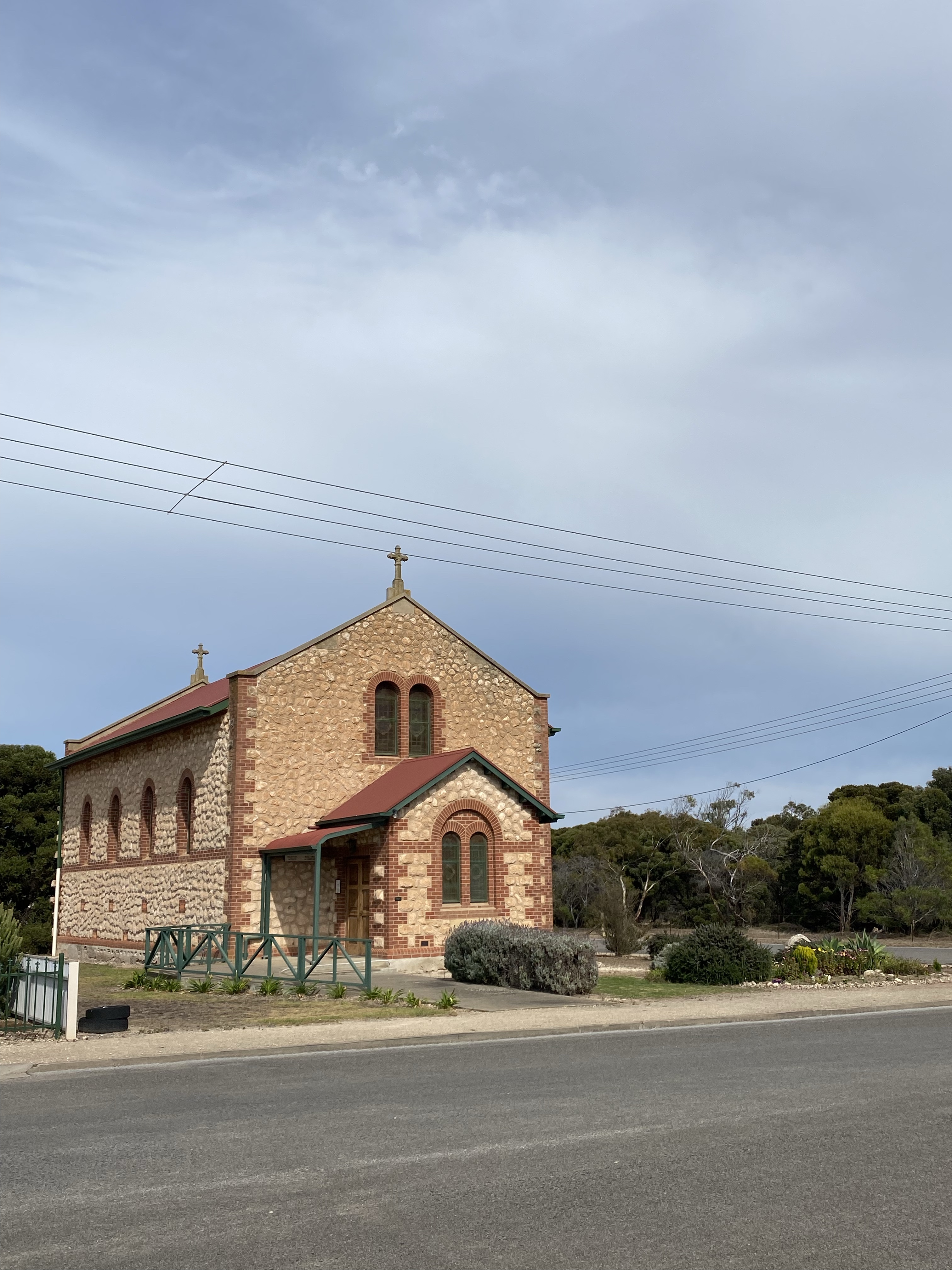
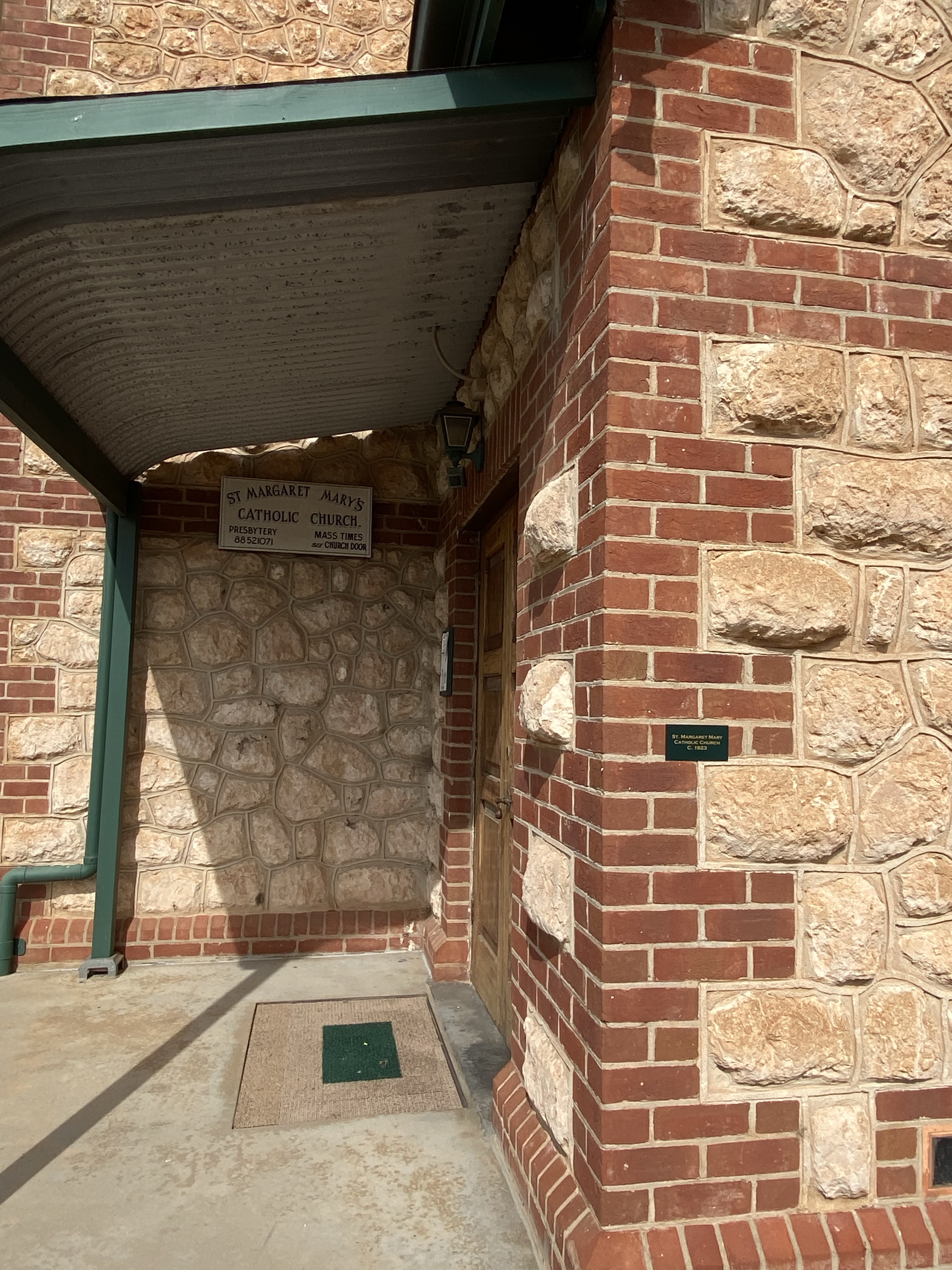
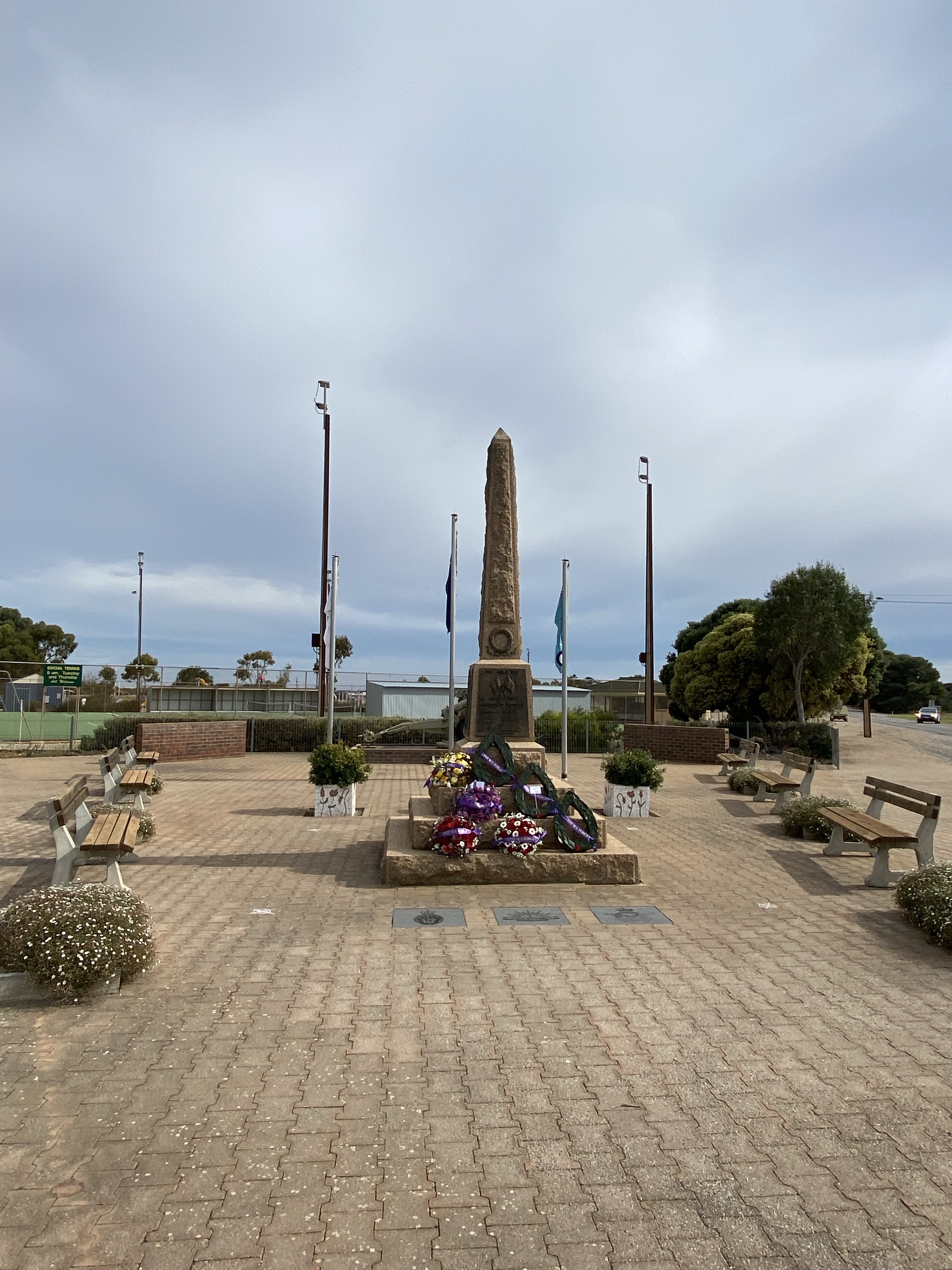
We went back the caravan and had lunch. the afternoon was spent playing with Madeline and Charlotte.
Edithburgh
1847 saw one of the earliest settlers, John Bowden, running sheep in the district of Edithburgh.
In 1851 the emigrant ship, Marion, was ran aground on the Troubridge Shoal off the coast from Edithburgh. There was no loss of life.
The town of Edithburgh was surveyed in 1869 and it was named after Lady Edith Fergusson, the wife of Sir James Fergusson, the South Australian governor from 1868-1873.
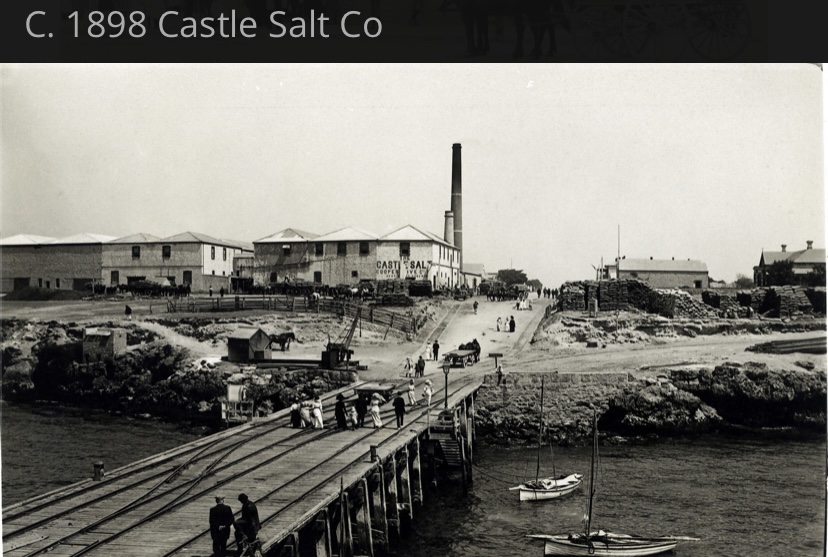
The Edithburgh jetty was built in 1873 and was used primarily to ship salt, lime and gypsum across Gulf St Vincent to Adelaide. Between 1891 and 1900 an average of 40,000 tonnes of salt per year was being shipped out of Edithburgh.
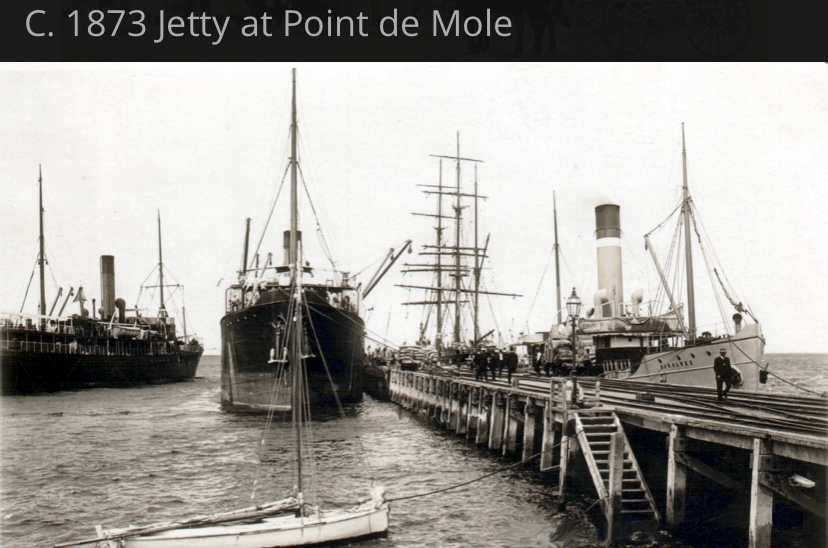
In around 1875 after four years of good yields of wheat, the early promise of the district began to fade. Due to the low fertility, the soil could not sustain the demands of constant cropping.
With about 100 salt lakes in the Edithburgh- Yorketown district, this mineral became the lifeblood of the township.
The Castle Salt Company moved its operations to Edithburgh in 1898. Two other companies quickly began operations in the town: The Colonial Salt Company started in 1904, and the Standard Salt Company. Edithburgh soon became the third busiest port in the State, exporting salt throughout Australia and to New Zealand.
Superphosphate, a new fertilizer, was introduced to Yorke Peninsula in c.1900 with amazing results in the quality and quantity of grain, particularly barley, for which the area became famous both within Australia and overseas.
Edithburgh’s population attained a peak of just over 1000 in the early 1900’s. unfortunately, boom times do not last forever. The Depression in the 1930’s struck a hard blow to business and trade. The salt trade suffered badly through competition from Port Adelaide and Port Price.
An amalgamation of the three salt refineries in 1930 and the resultant loss of employment opportunities caused people to drift away.
The population in Edithburgh dropped to less than 500 which, in turn, caused the closure of many business operations. Production of salt finally ceased in 1960 and in 1973 the jetty was closed.
Tomorrow
We drive across to Point Turton on the western side of the Peninsula.

 morrisblog.travel.blog