Monday 8th February 2021
We woke up after another good night sleep with caravan still at 26 degrees inside. We remained hitched overnight so moved off at 8am after breakfast and a tidy of the van.
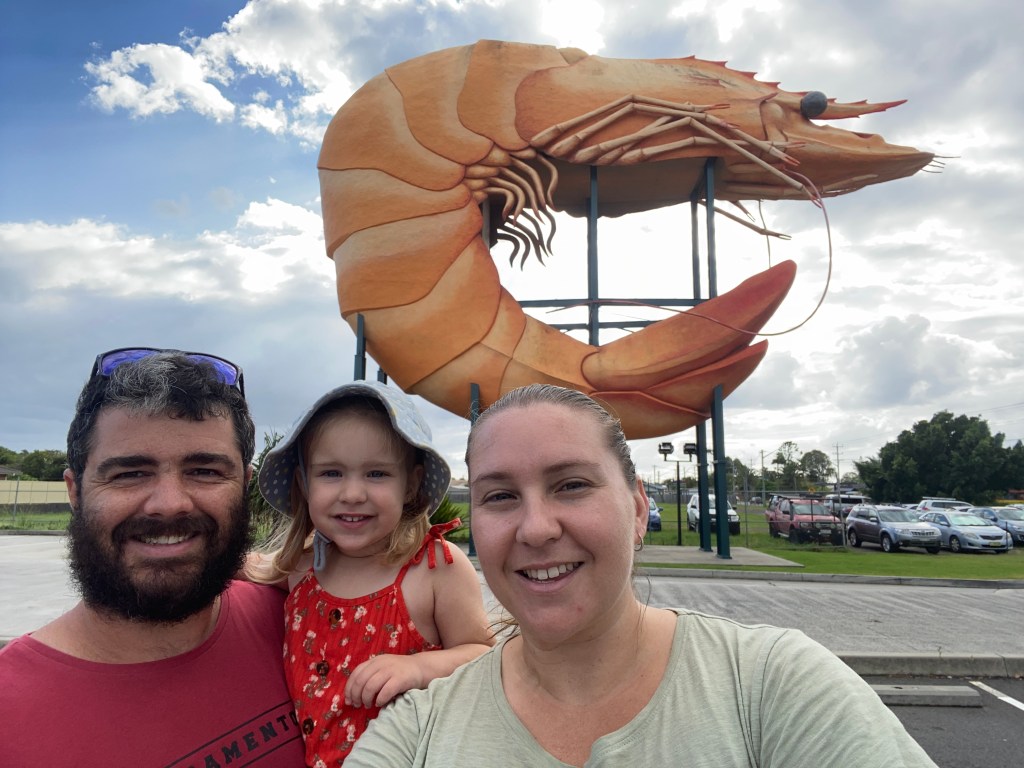
We drove to Ballina from New Italy just to see the big prawn. It was a decent size, but where it’s situated is very dodgy. Inbetween a Bunnings parking lot and vacant land.
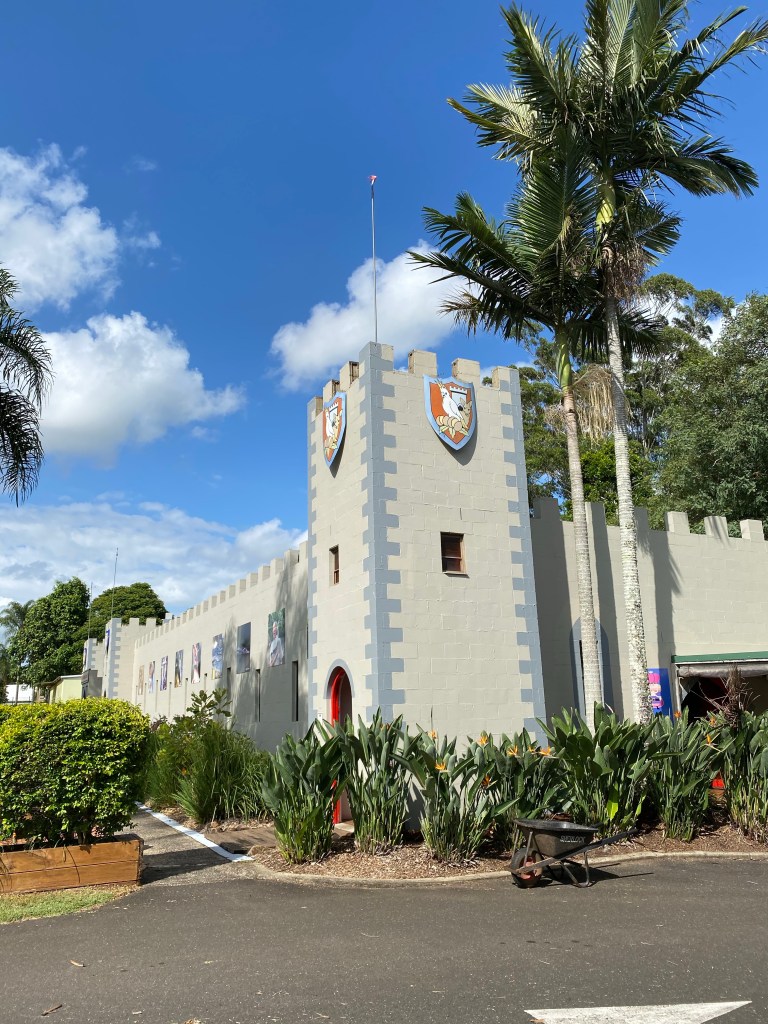
We drove another 15 minutes and arrived at the Macadamia Castle.
The Macadamia Castle
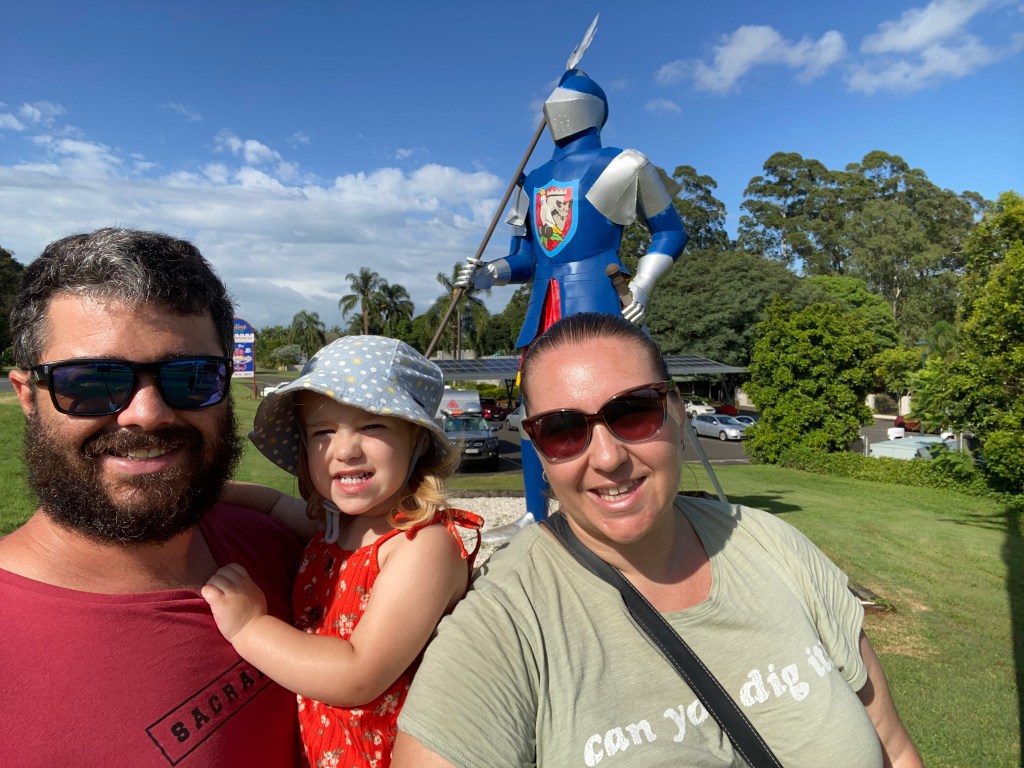
We arrived at the macadamia castle and had a good look around the gift shop. We also had a selfie with the big knight.
Madeline browsed the toys. I pointed out a “fart button” that she thought was halarious.
We bought a nutcracker and a kilo of nuts. Madeline couldn’t get enough of cracking the shell and eating the contents.
Macadamia history
Aboriginal history
For thousands of years before European settlement the aborigines of eastern Australia feasted on the native nuts. Known as gyndl or jindilli or boombera. We now know it as the macadamia.
The high oil content of these nuts was a coveted addition to the indigenous diet. Nuts were eaten raw or roasted in hot coals.
The aborigines would express the oil from the nuts and use it as a binder with ochres and clay for face and body painting. This was a method of preserving clan symbols of the dreaming. The oil was also used neat for skin rejuvenation and as a carrier where it was mixed with other plant extracts to treat ailments.
It was believed the nuts contained a stimulant which aided breast milk production. Lactating mothers would eat the bitter nuts that had commenced to germinate.
European history
The first European to discover this nut is now attributed to the explorer Allan Cunningham in 1828. The German explorer Ludwig Leichhardt recorded the tree in 1843. In 1858 that British botanist Ferdinand von Mueller and the director of the Botanical Gardens in Brisbane, Walter Hill, gave the scientific name Macadamia intergrifolia.
Walter Hill was the first recorded European to eat these amazing nuts. Hill cultivated the first Macadamia intergrifolia in the Brisbane Botanical Gardens, also in the year 1858. It is still alive and bearing fruit today.
The first commercial orchard of macadamia nuts was planted at Rous Hill, 12km from Lismore, by Charles Staff in the early 1880’s.
Crossing QLD border
We crossed the Queensland border at 11am. We were all starting to get peckish for lunch and soon realised it was 10am again.
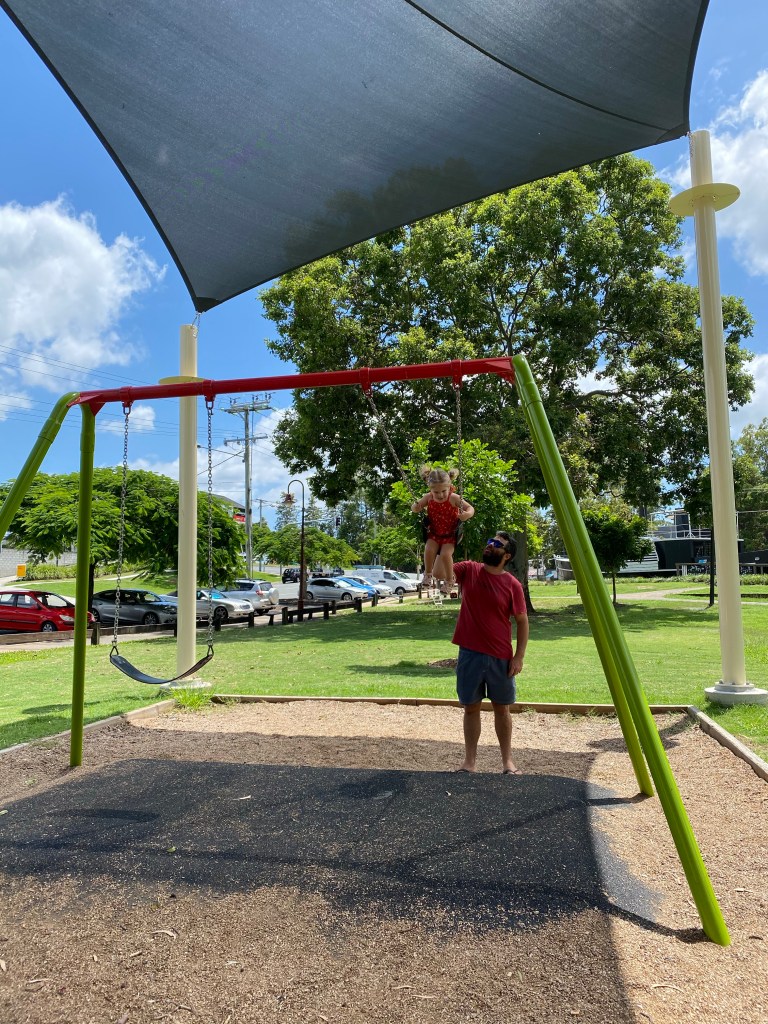
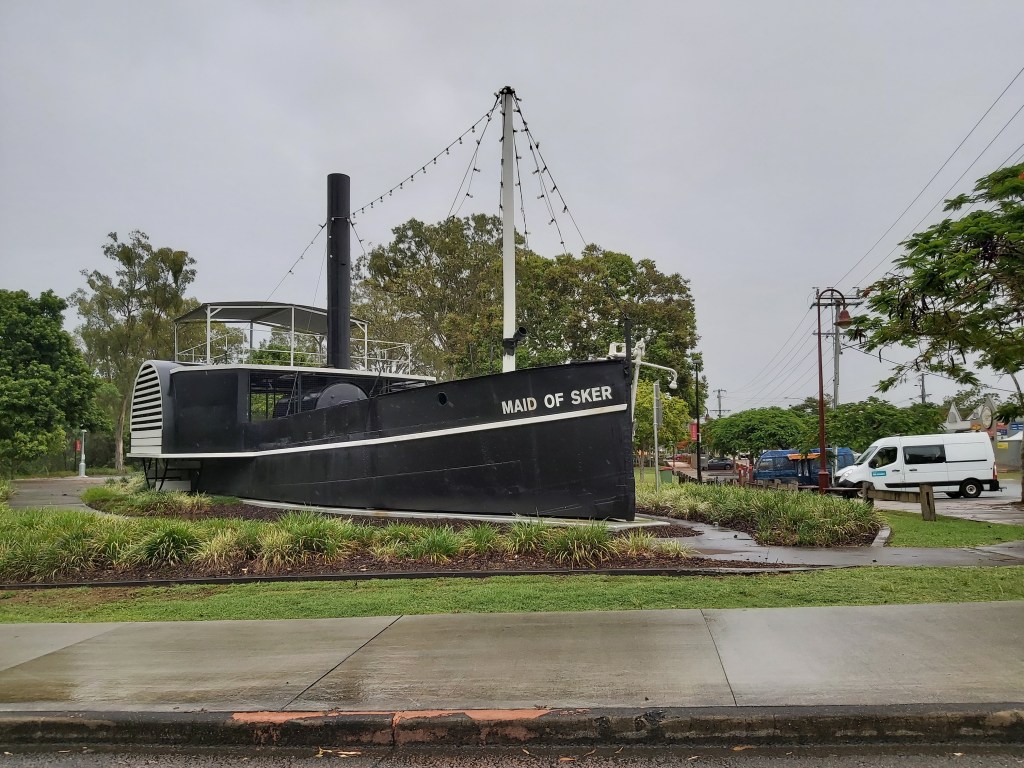
We drove to Nerang where we stopped to visit the tourist information centre, the playground and the Maid of Sker.
Nerang
We met some lovely volunteers at the Tourist information centre. They gave us a lot of valuable information about Mt Tamborine and Canungra.
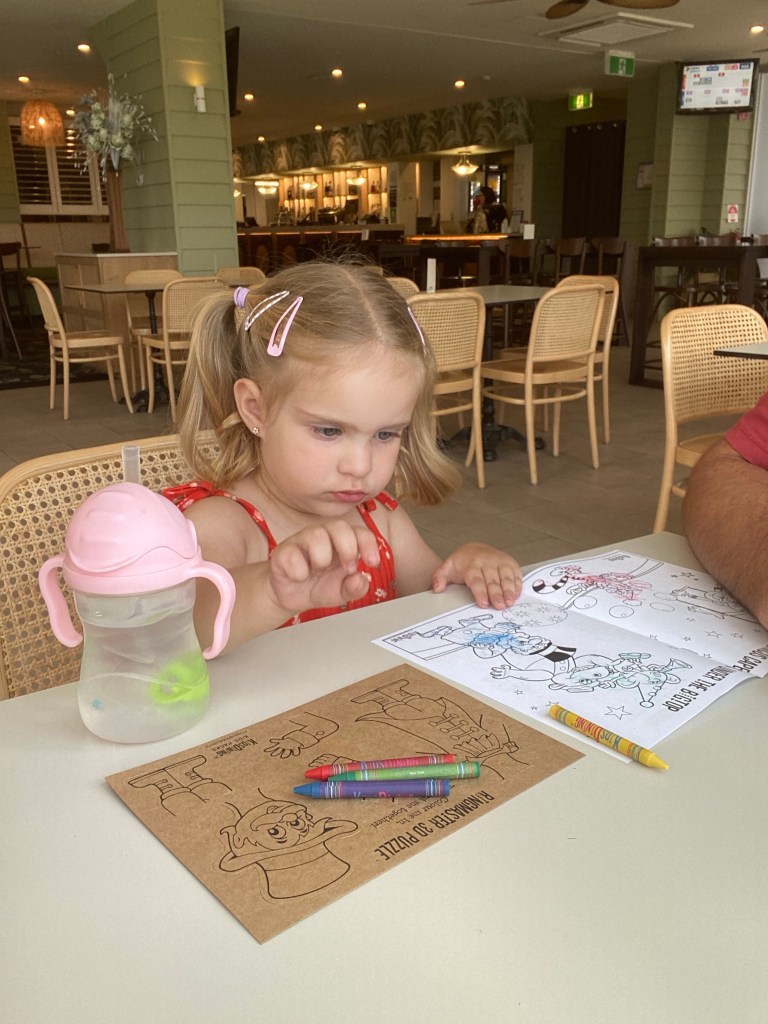
We had lunch at 1130 QLD time at The Commercial Hotel.
The Commercial Hotel
Opened in 1884 by Robert Hope. Destroyed by fire in 1930. The new Commercial Hotel was designed in 1975.
The Maid of Sker
An iron hulled paddle steamer, built in 1884. It was owned by Charles Philpot, who was a founder of an early timber mill and sugar plantation.
Used as a passenger and general cargo vessel from 1893, transporting between Brisbane and Nerang.
Retired from service in 1974 and donated to council.
Canungra
We travelled some very hilly roads from Nerang to Canungra, staying outside of town at River Sharp Bend Bush camping.
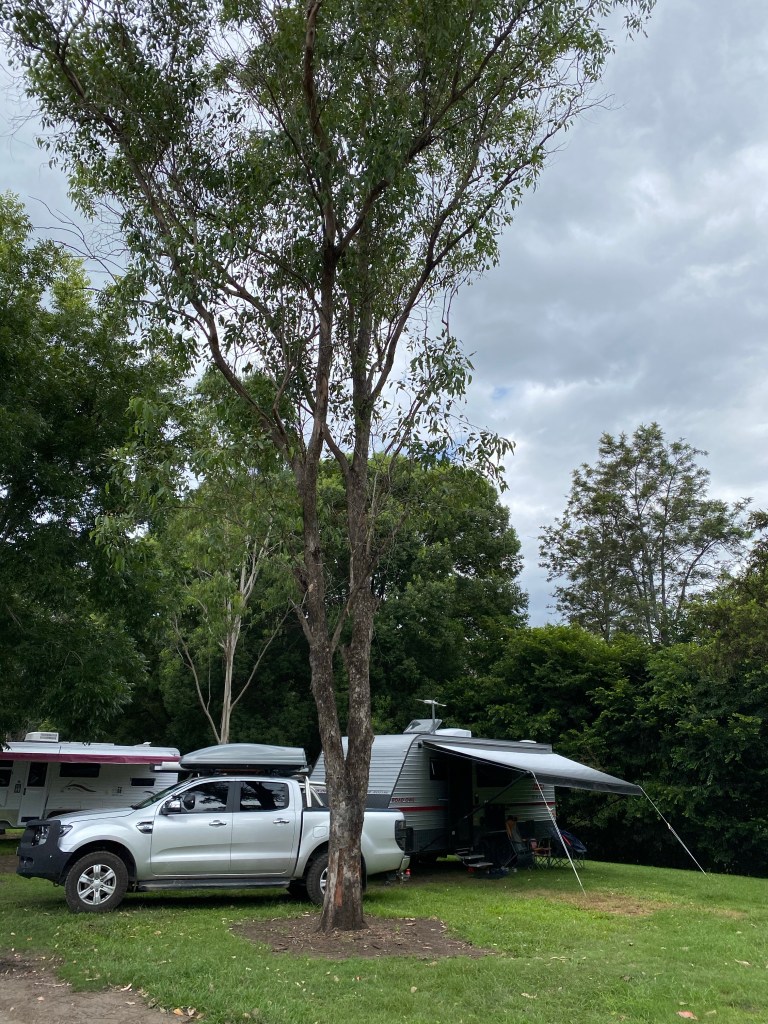
We spent the afternoon around the caravan and settling in.
Tomorrow
Tomorrow we are heading up the mountain to visit Mount Tamborine.

 morrisblog.travel.blog