
Friday 18th April 2025 – Good Friday
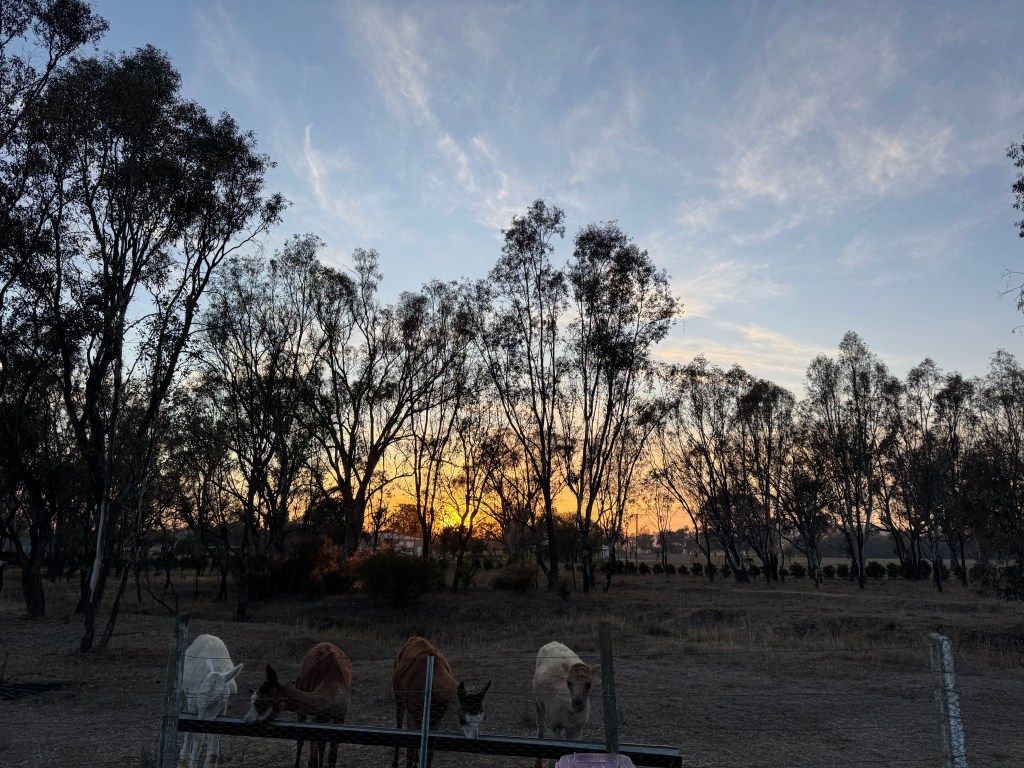
Today was Eva’s morning up early with the girls. Charlotte was the only one up to help with the animal feeds this morning.
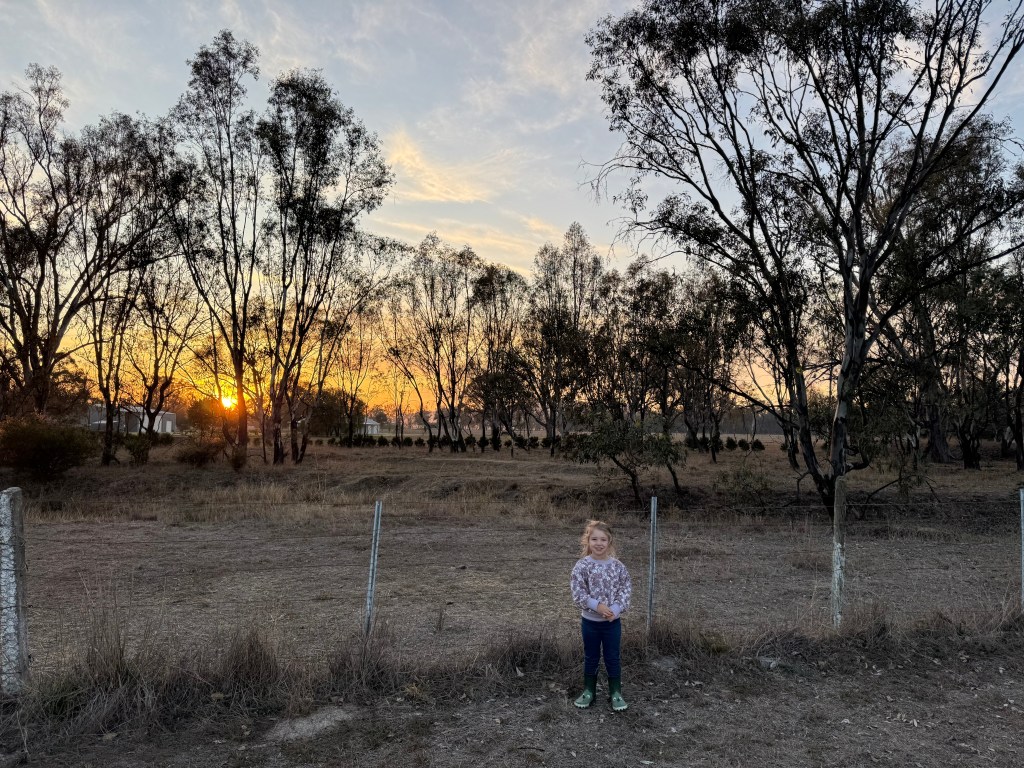
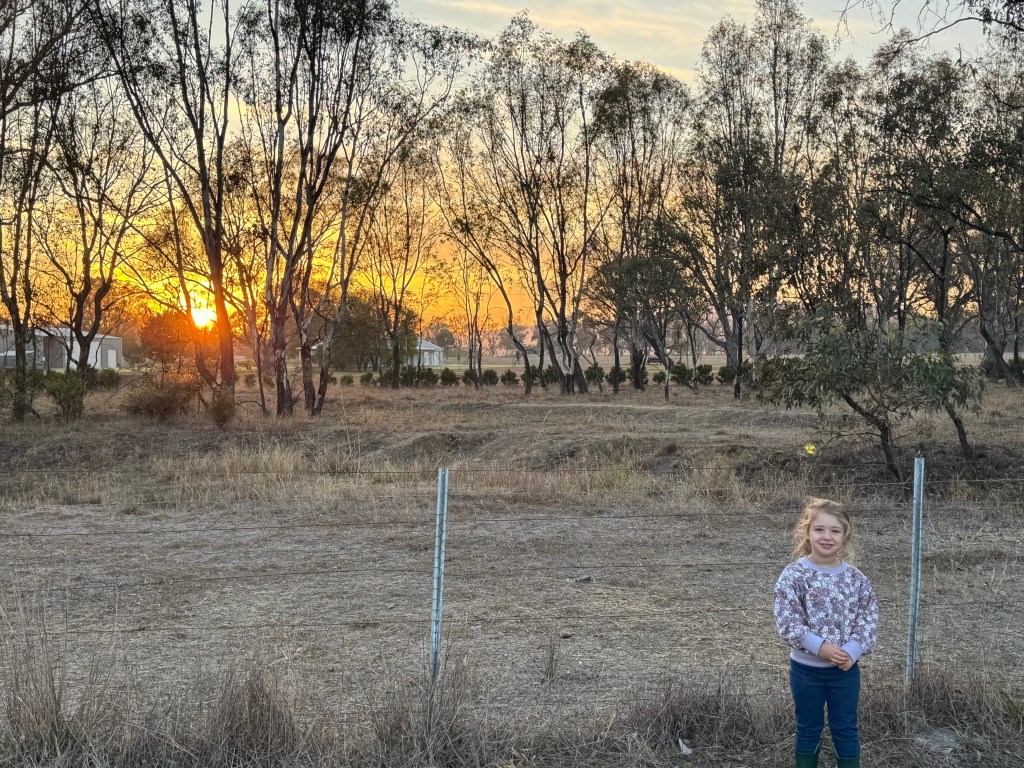
After breakfast we headed off to the Eastern Hill Lookout in Albury for a short walk along the Hume and Hovell walking track. We saw a large mob of kangaroos bounding through the fields. As we walked up the track Eva spots some geological things interest to share with the kids. Rose quartz was scattered over the walkway. There was also loads of mica in loose and rock-bound form creating a shine to the dust of the track.
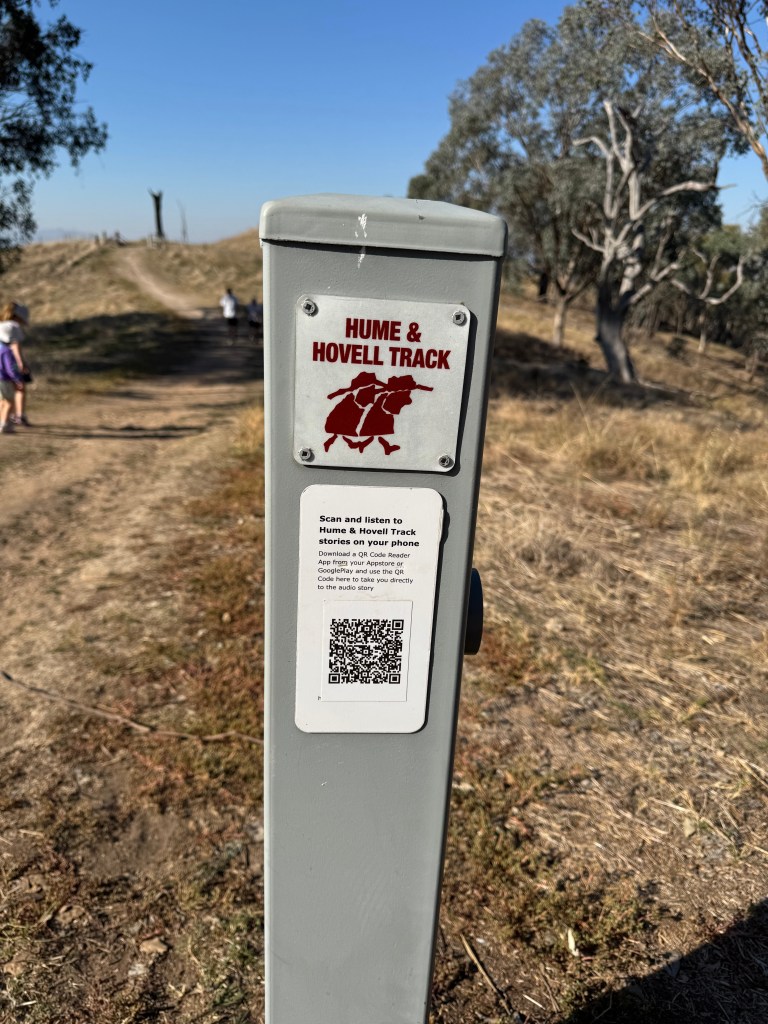
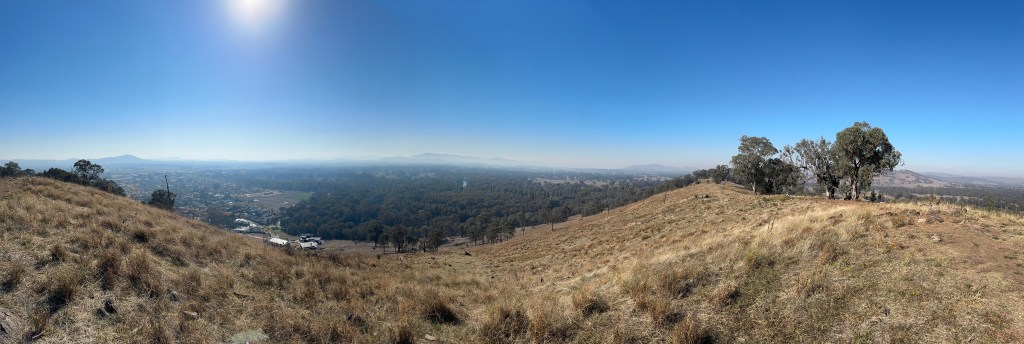
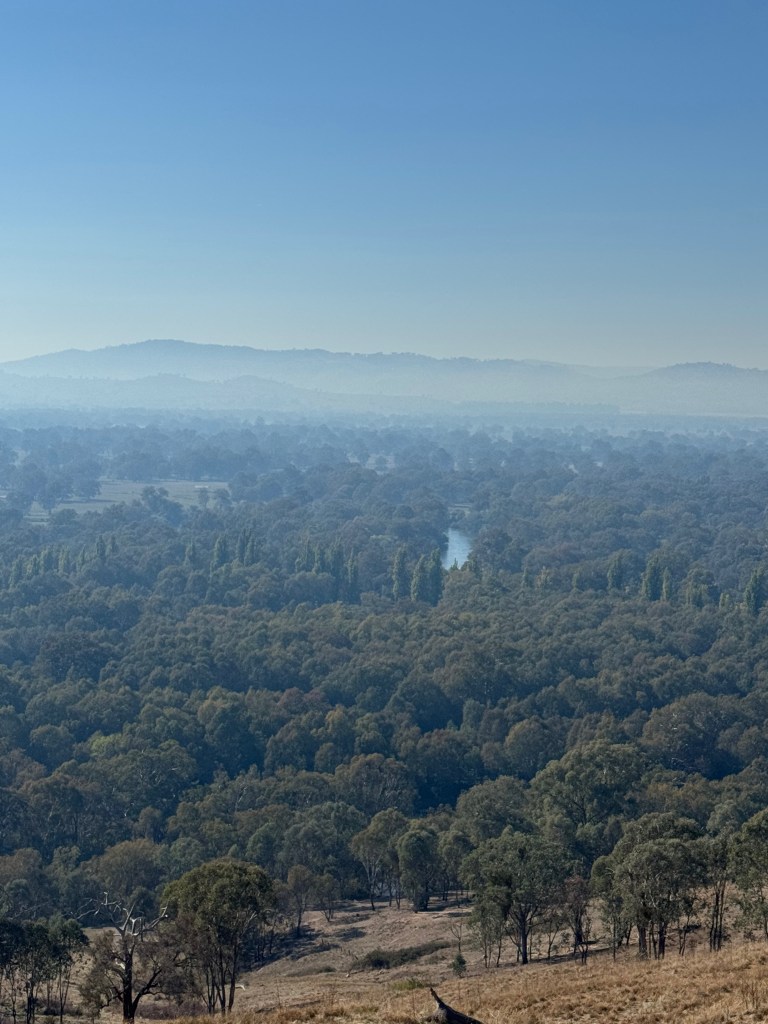
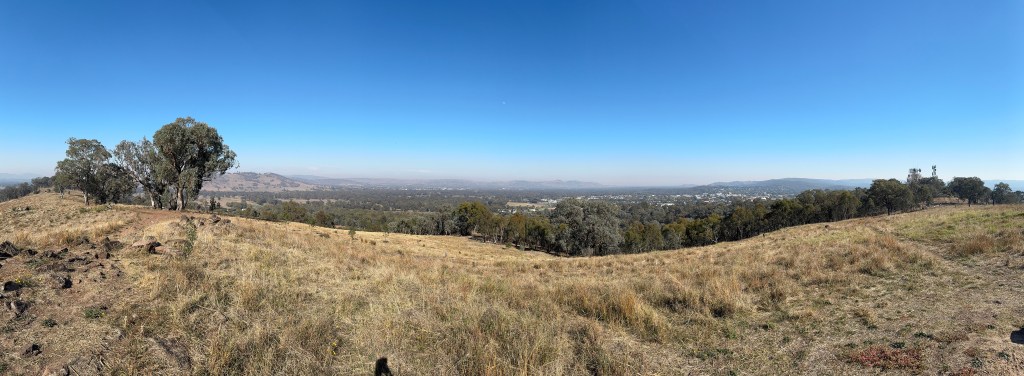
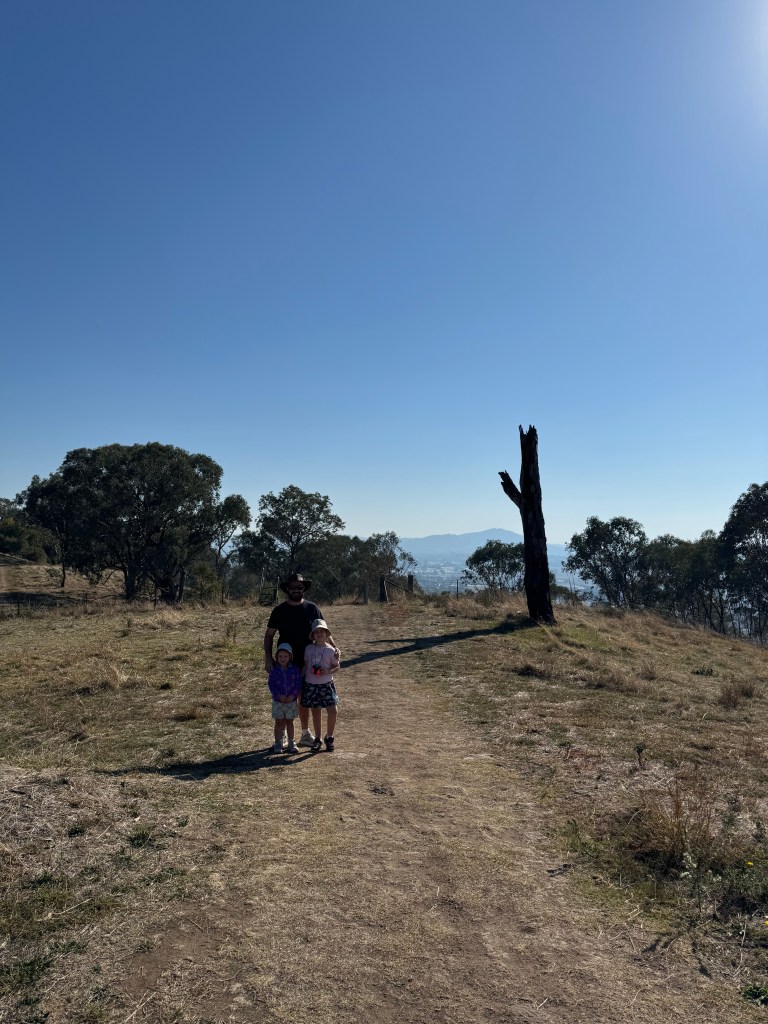
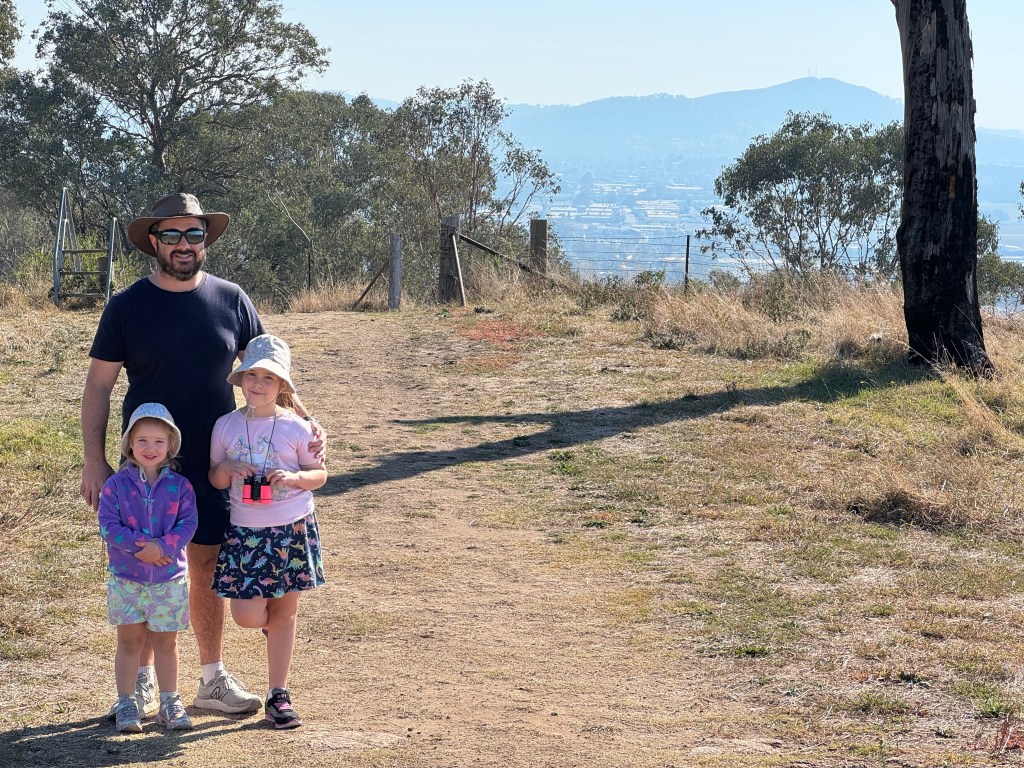
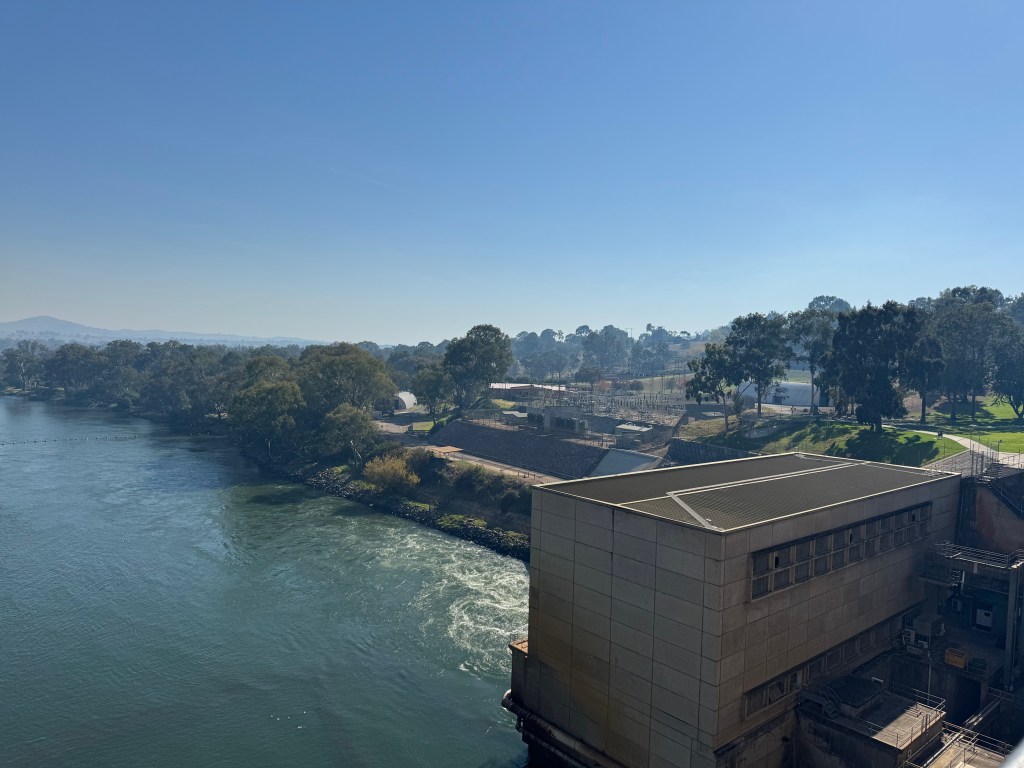
After the short trek we returned to the car and continued on our drive to the Hume Dam. The dam wall is on the NSW side of the border but the majority of the water is on the Victorian side of the border.
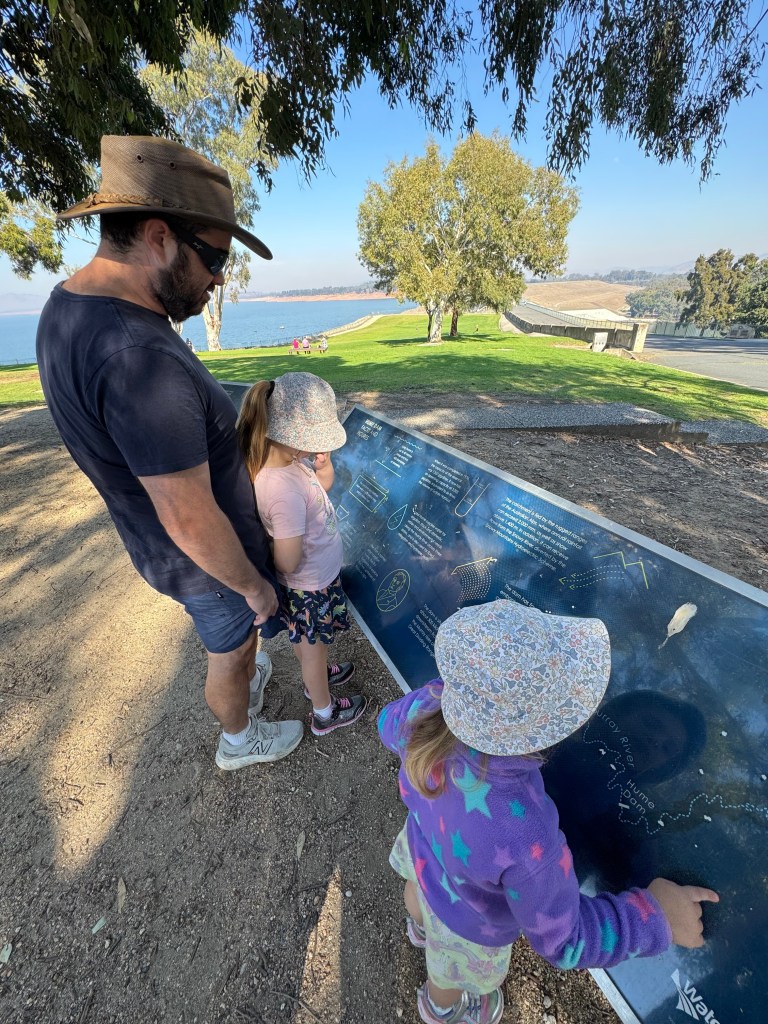
Madeline helped read the Dam facts, but the concepts of the vast size and storage capacity was beyond her comprehension.
We saw turtles on the Murray River side of the dam as well as cormorants, pelicans, fish and ducks.
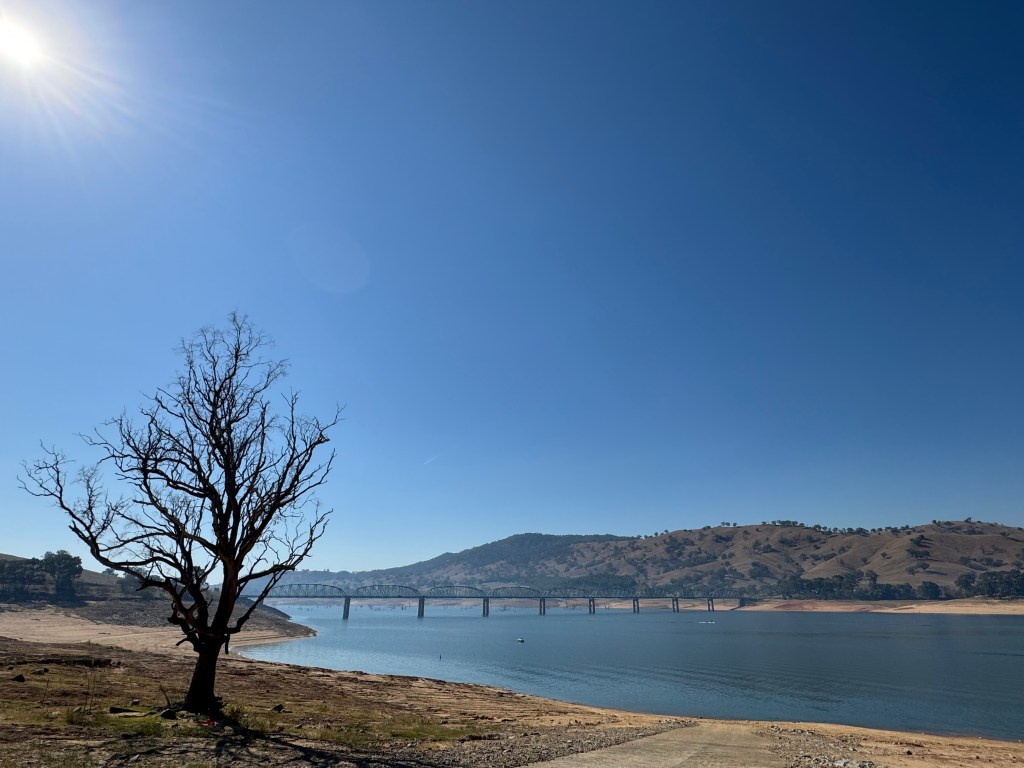
After finishing up at the dam we drove a few kilometers up the road to the start of the Great River Road. We viewed Bethanga Bridge and later drove over the bridge to the scenic lookout.
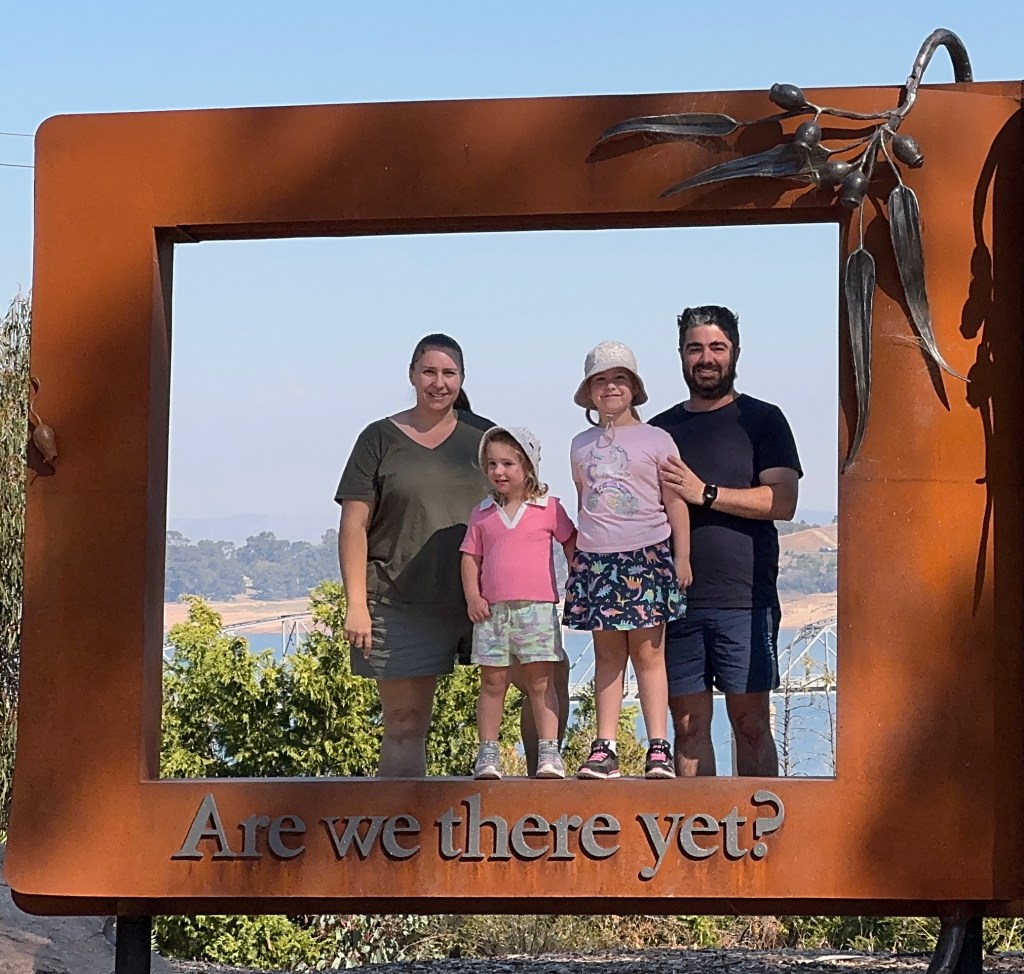
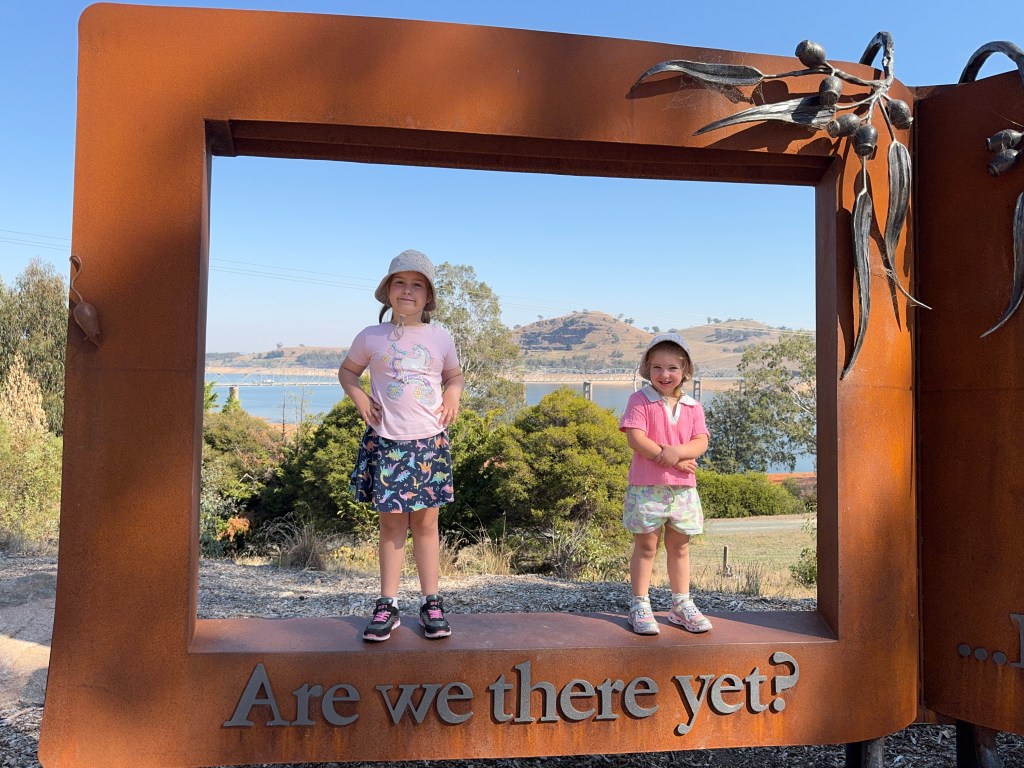
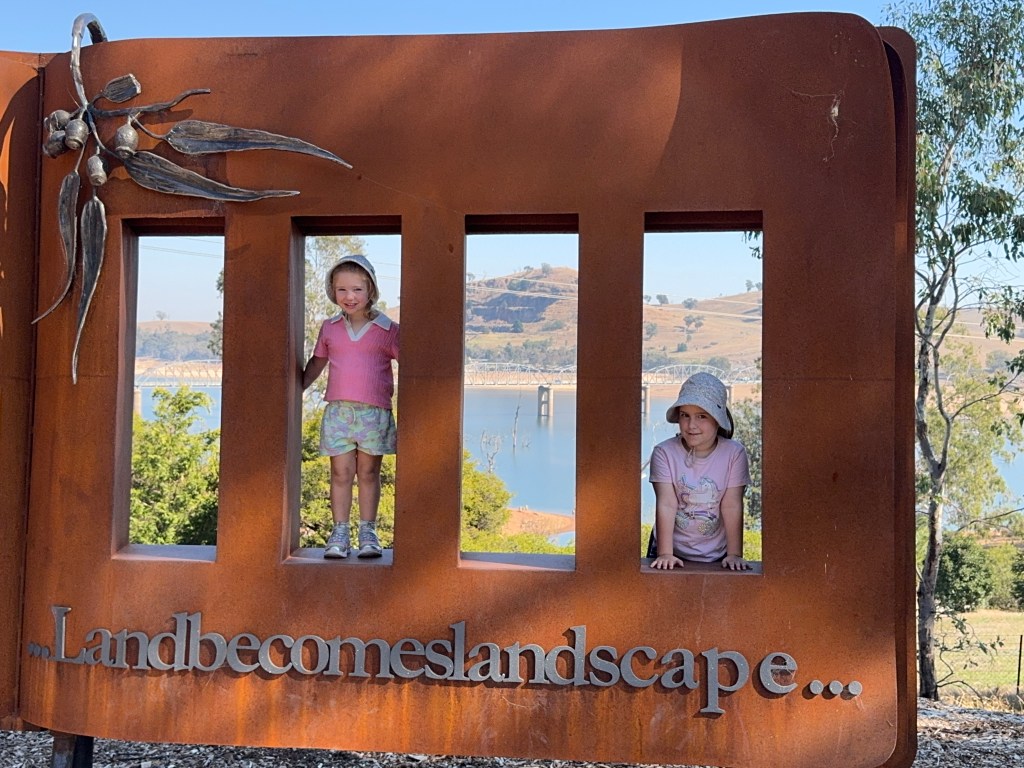
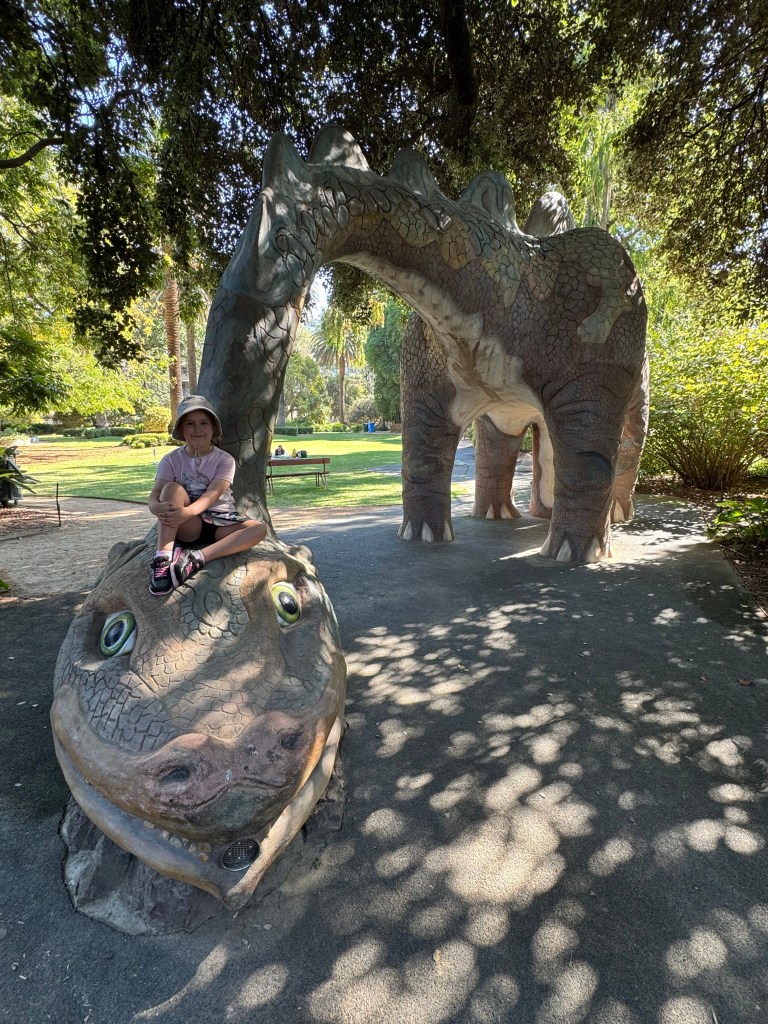
After visiting the scenic lookout we returned to Albury to visit the Botanic Gardens. They had a lovely children’s garden which the girls loved.
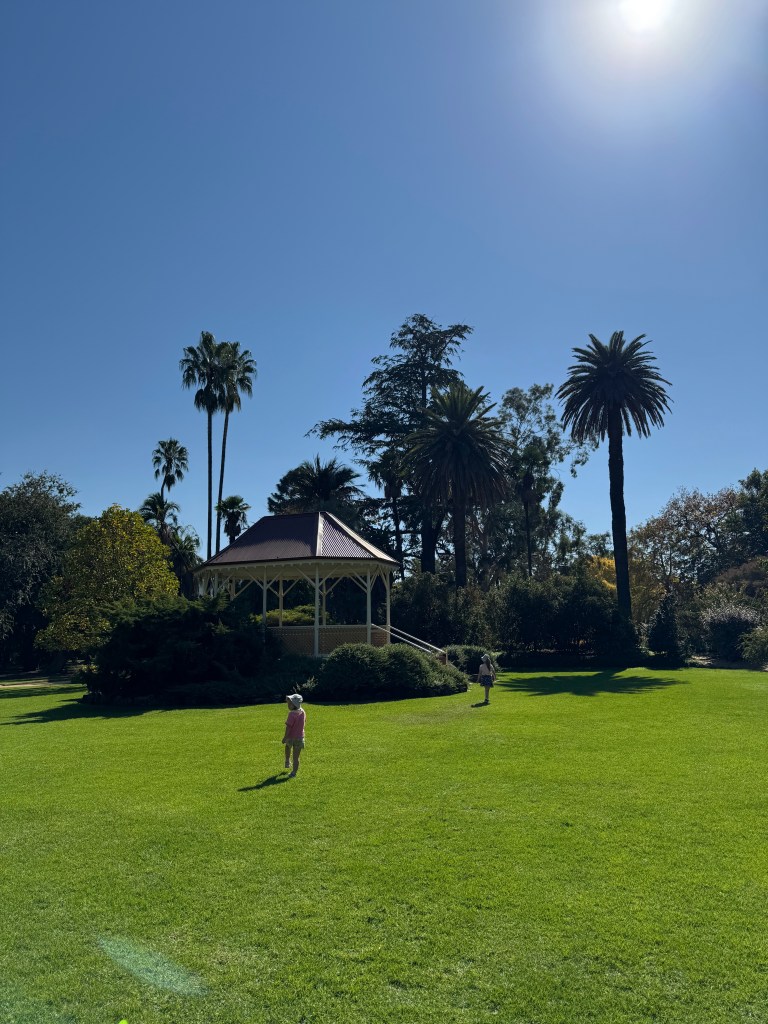
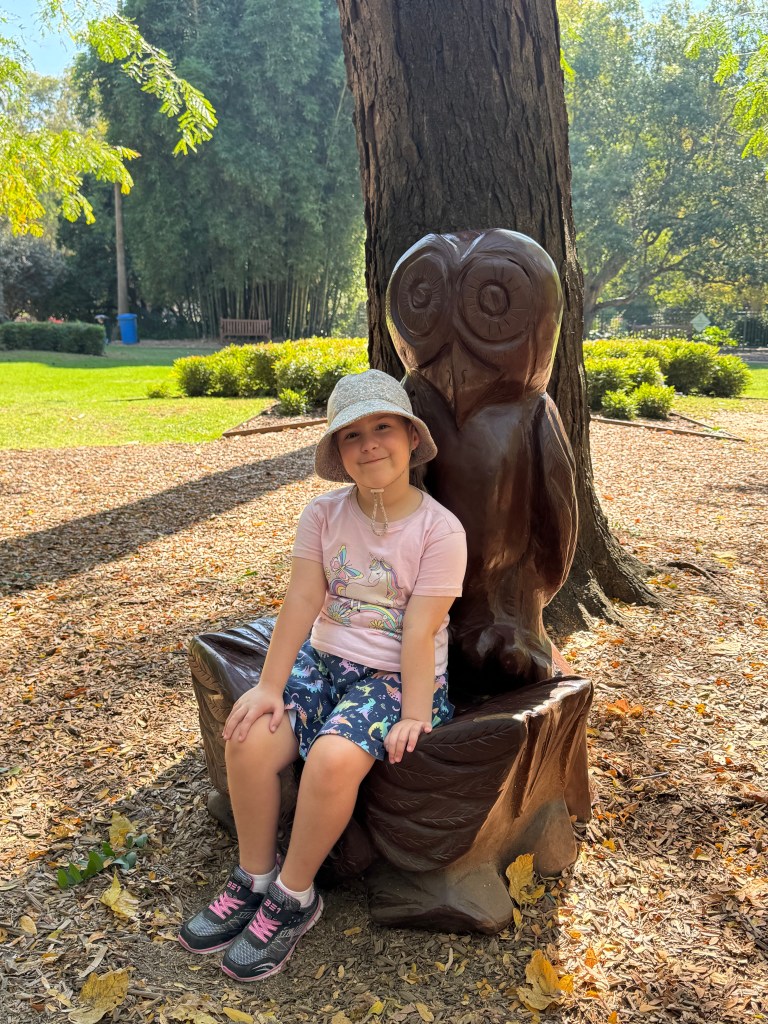
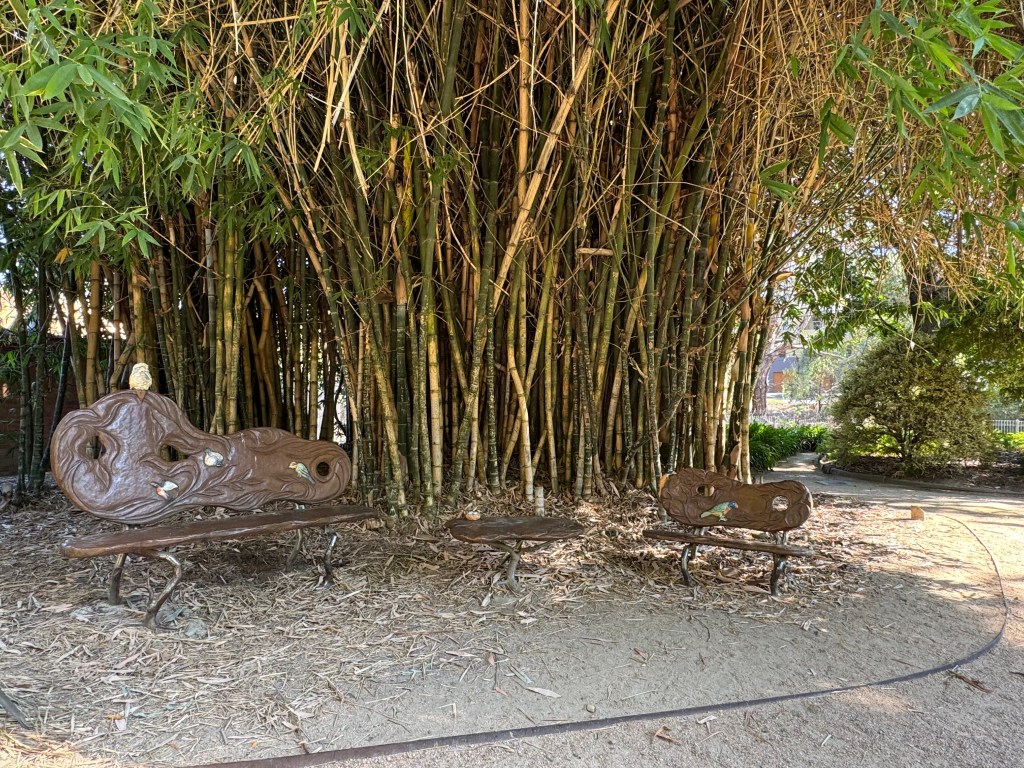
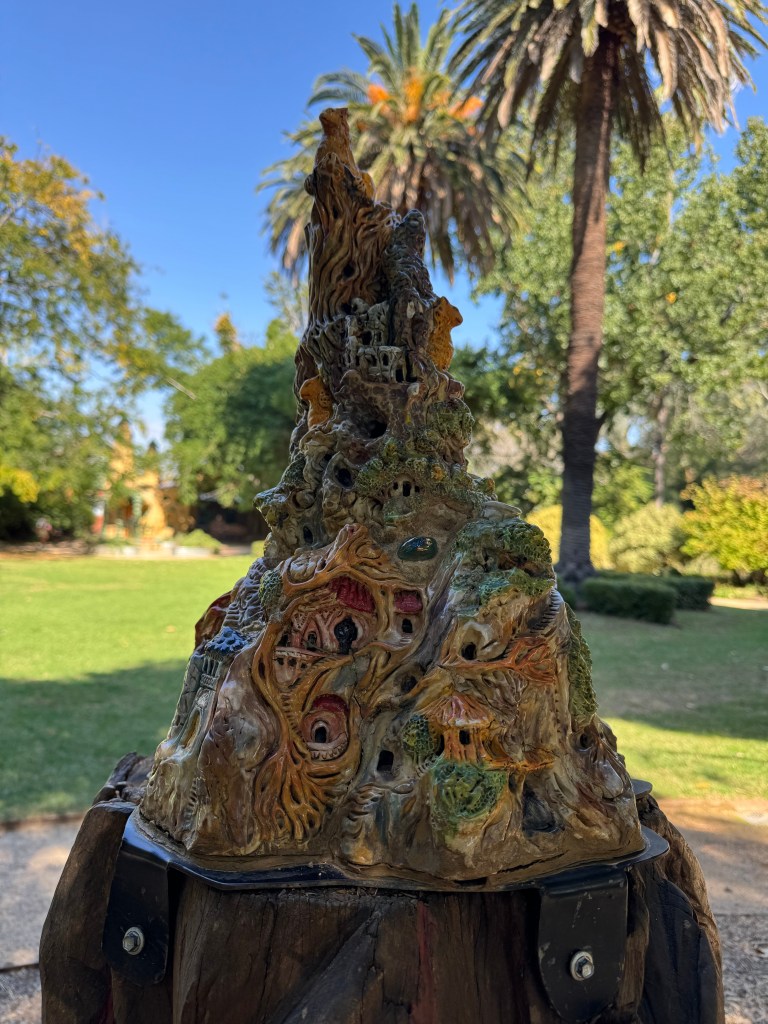
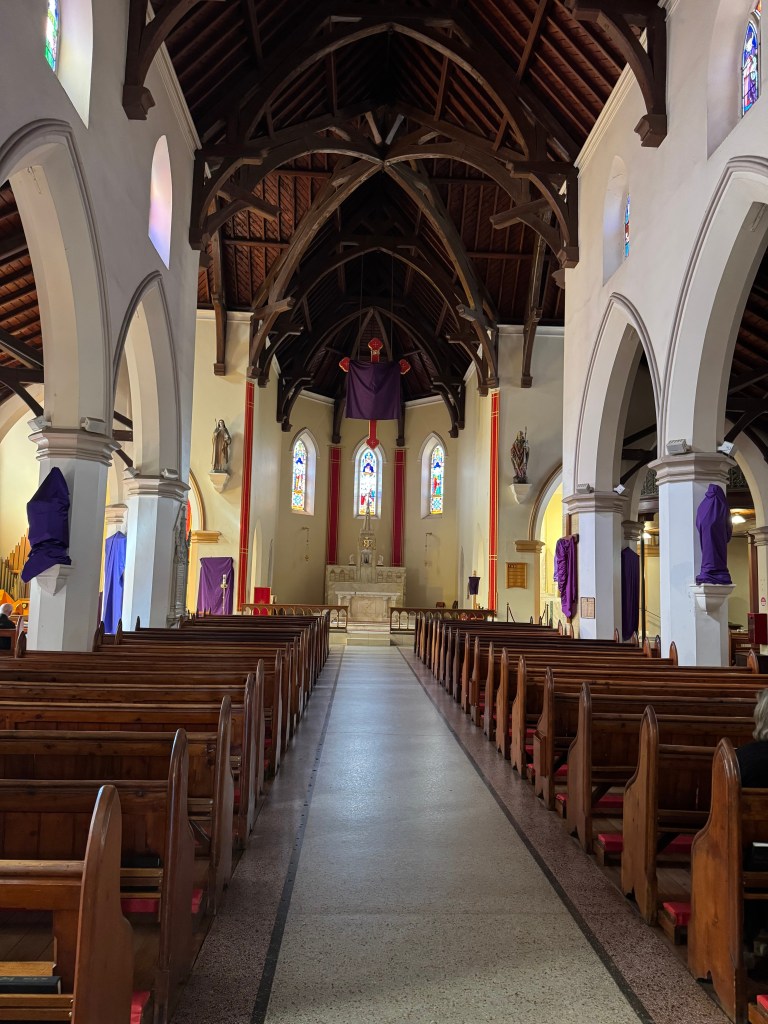
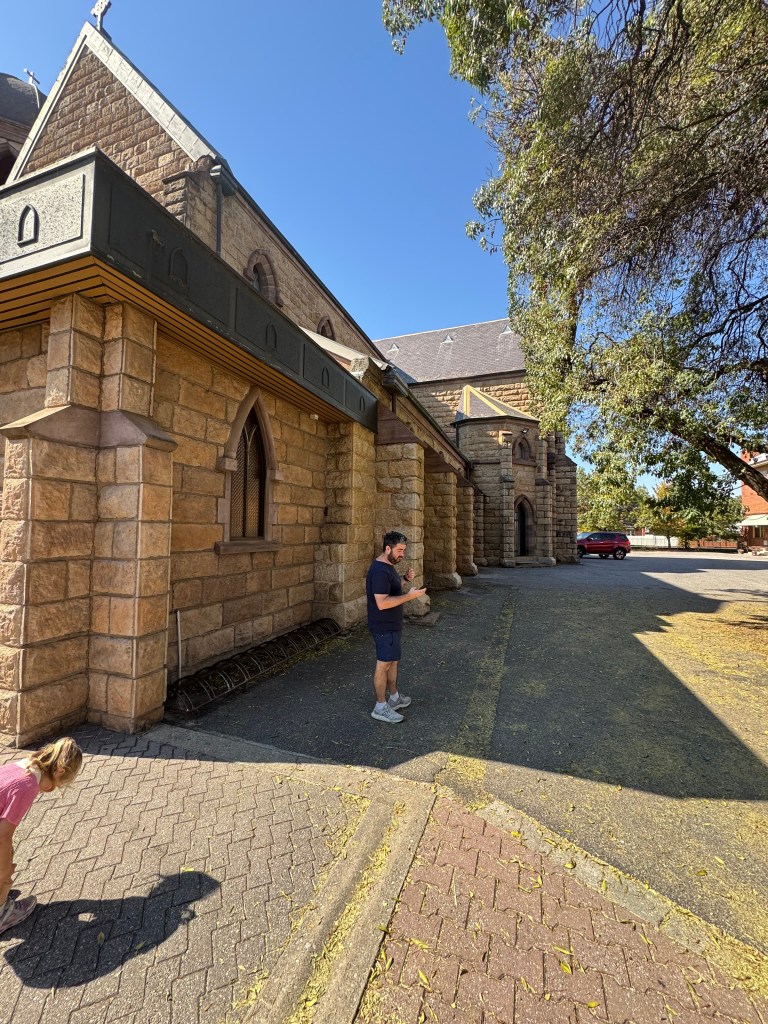
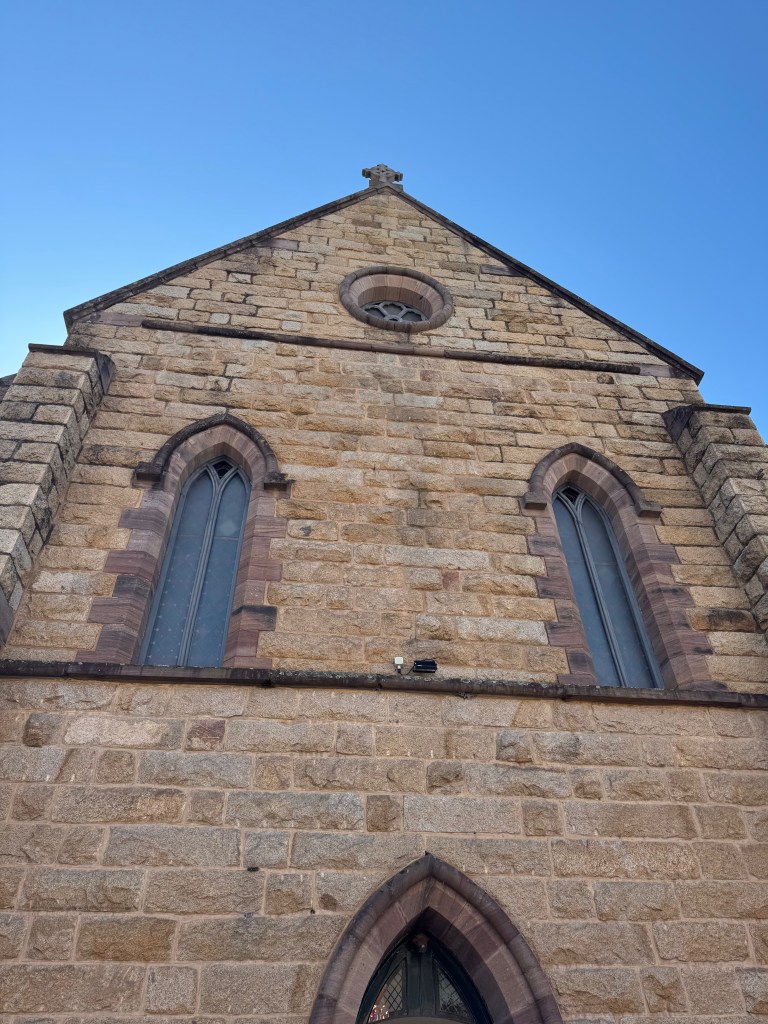
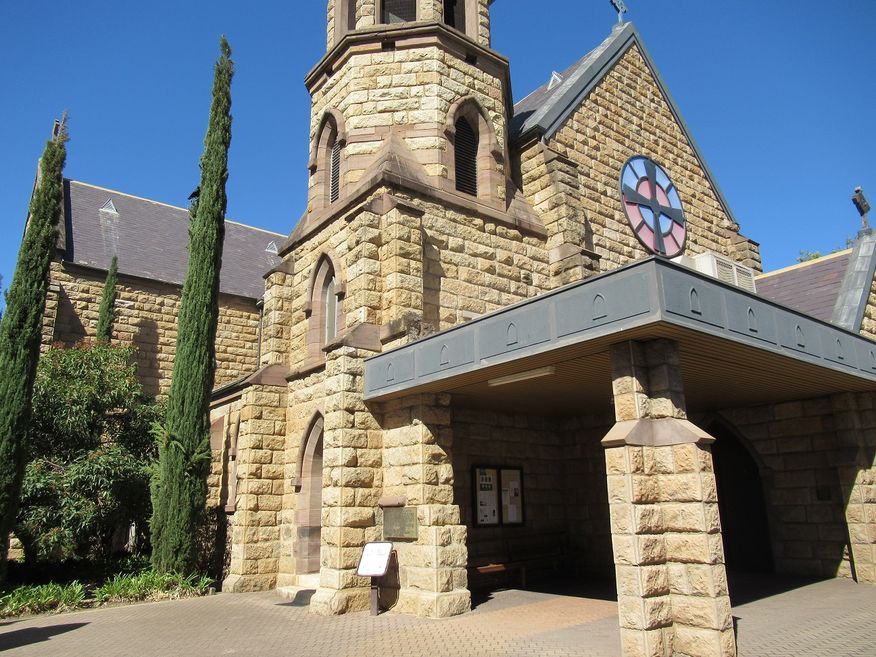
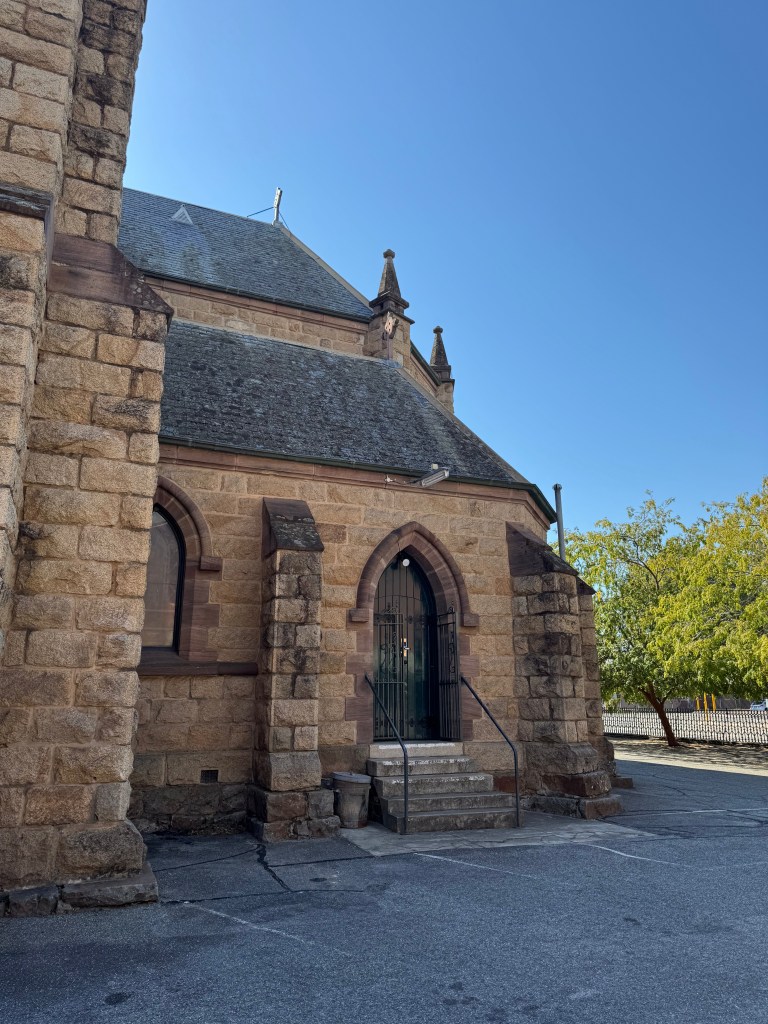
After the Botanic Gardens our last stop was St Patrick’s Catholic Church Albury. Celebrating Good Friday as a family.
Tomorrow
We plan to visit the Jindera Pioneer Museum.
The Hume and Hovel Track
The Hume and Hovell Track spans 426km and usually takes 18 to 26 days to complete spaning from Yass to Albury.
On October 3 1824 Hamilton Hume and William Hovell and six fellow expeditioners set off from Hume’s property at Appin, south of Campbelltown with the aim to find new grazing land south-west of Sydney and to find an overland route to Bass Strait and the south coast of what was then all part of the colony of New South Wales.
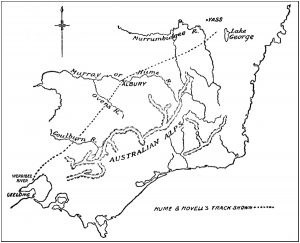
Land south of Appin as far as the Yass plains had already been explored by Europeans including by Hamilton Hume himself, with his younger brother John. Once Lake George was reached, no European had ventured any further. On October 17 they set off from Lake George.
The land that later became the site of Albury was reached on November 16. The men of the expedition party were the first Europeans to sight the river that they named the Hume. After first heading downstream looking for a suitable crossing place, they returned and headed upstream, finding a place to cross beyond the confluence of the Hume and Mitta Rivers. They crossed the Hume on November 20 in a makeshift raft at a spot that is now under the waters of Lake Hume.
In January 1830, Charles Sturt’s party, travelling down the Murrumbidgee River, arrived at a much larger river. Sturt named the river the Murray, not realising that he had met the same river that the Hume and Hovell expedition had crossed further upstream and named the Hume.
From the Hume River, the Hume & Hovell expedition trekked south, keeping west of the Great Dividing Range and reached Port Phillip on December 16, 1824.
The Hume Dam
The Hume Dam was constructed between 1919 and 1936.
The dam forms Lake Hume, which is the main operating storage of the Murray River system. It regulates and stores water for irrigation, stock, domestic and urban use as well as for the environment. It plays a part in the generation of hydroelectric power and flood mitigation.
The Hume Dam was officially opened on the 21st November 1936 by the Governor General Lord Gowrie.
A 60 megawatt hydro-electric power station was installed in 1957.
The Hume Dam Facts
Lake Hume can fill as deep as 40 meters and has 400km of shoreline.
The concrete and earthen dam wall is 1615m long and 51m high.
The catchment area is 15,300 SqKm and 2/3rds in located in Victoria.
It has a current operating capacity of 3,005 gigalitres (originally 1,522 gigalitres), which is equivalent to six times the volume of Sydney Harbour.
The catchment is fed by the rugged ranges of the Australian Alps, where annual rainfall can exceed 2,000mm, as well as snow above 1,400m.
The dam has 4 earth embankments and 29 concrete spillway gates, capable of discharging 7,929 cubic metres per second.
Albury Botanic Gardens
The Albury Botanic Gardens were officially formed in 1877, when Albury had a population of a mere 3,000 people – and lacked the relative wealth of the prosperous gold minning centres such as Bendigo and Ballarat. However, the completion of the railway from Melbourne to Wodonga in 1873 made Albury a natural channel for Riverina produce bound for the markets of the Victorian capital and gave the town a boost.
In 1887-88 Smollett Street was extended through the Botanic Reserve and the bridge over the Bungambrawatha Creek was built. The Gardens were then given their present boundaries, with an area of approximately 10 acres (4 hectares)
St Patricks’ Catholic Church, Albury
The St Patrick’s Catholic Church, Albury was blessed and opened on November 24 1872 by Bishops Lanigan and Quinn, accompanied by Dr McAlroy, the driving force behind the project, and other clergy.
It was the second Catholic church built in Albury, the first being St Brigid’s opened by Fr Twomey on 24/10/1858. Originally built as a combined church/school in 1858, it continued as a school, after the opening of St Patrick’s, until it was demolished in 1938.
Dr. Michael McAlroy was Albury’s parish priest from 1868 to his death in 1880, and was known as the “Apostle of the South”.
Dr. McAlroy built the church when Albury had a population of around 2600. The gothic arches he preferred pointed upwards like a pair of hands in prayer, a reminder that the church is a working building dedicated to the worship of God.
The church is truly international, with a strong Irish influence. It honours the patron Saint of Ireland. A chancel window depicting St. Patrick is matched by one showing St. Brigid, to whom the first Albury church and convent were dedicated.
Dr. McAlroy and his builder, James Walsh, were both Irish; the architect, John Gordon, was English; and the original stained glass windows were made by John Falconer, a Scot. As for the rest of the church, the west window has an Aboriginal theme, much of the timber came from North America and the roof tiles were from Wales. The marble altar and the present day organ were from Italy.

 morrisblog.travel.blog