
Wednesday 2nd March 2022
We had another restful night sleep. We got moving around 820am this morning.
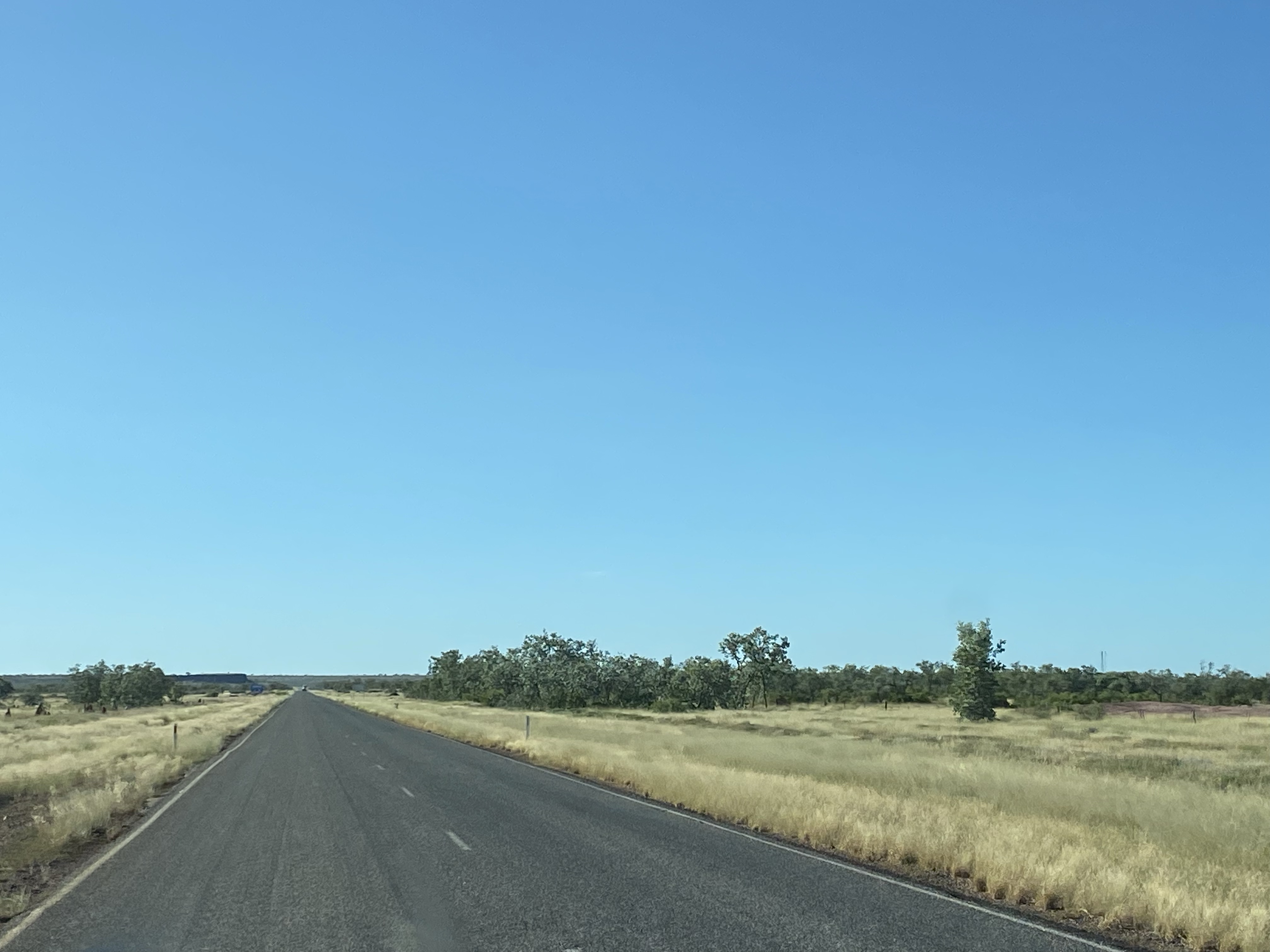
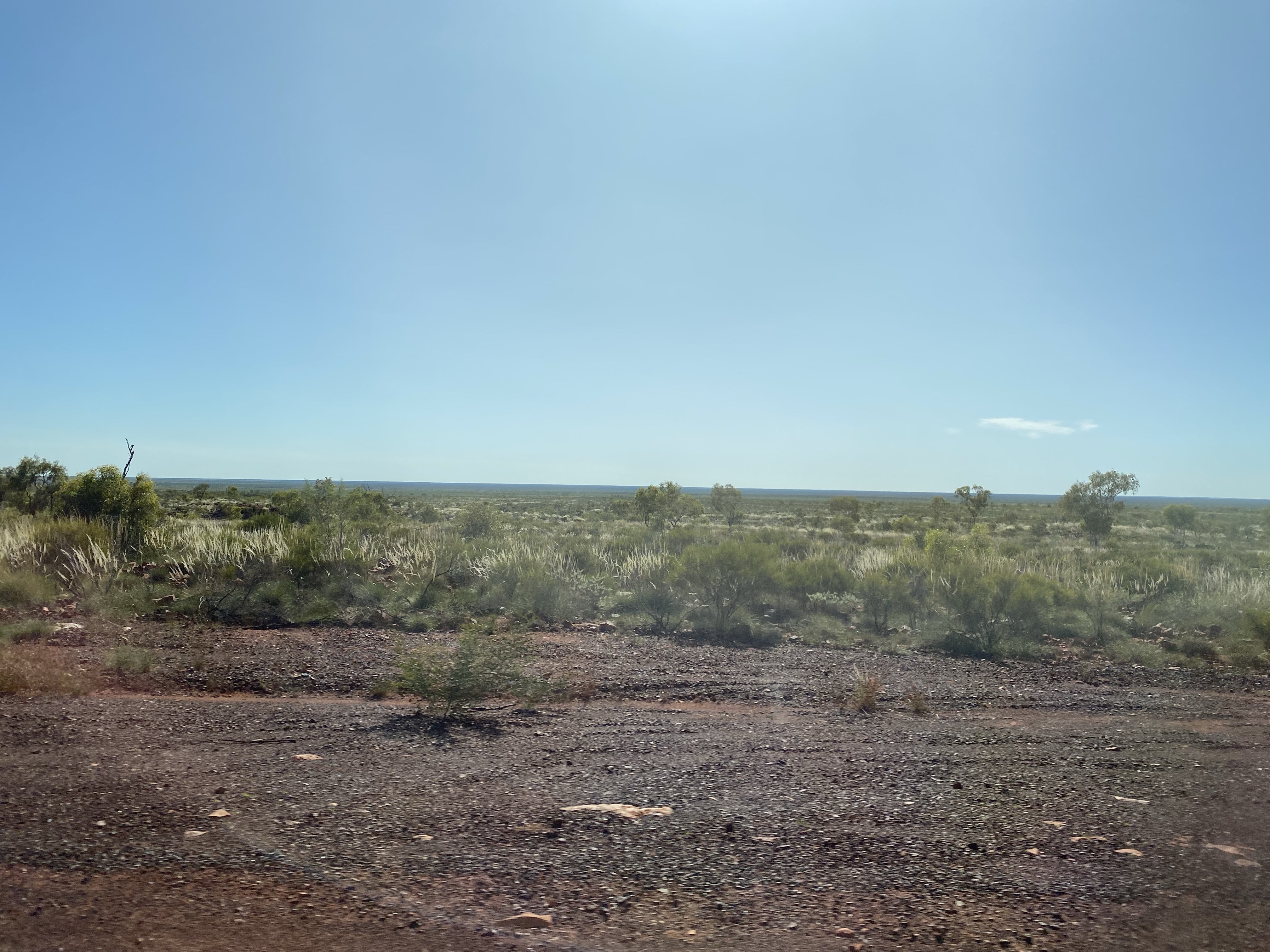
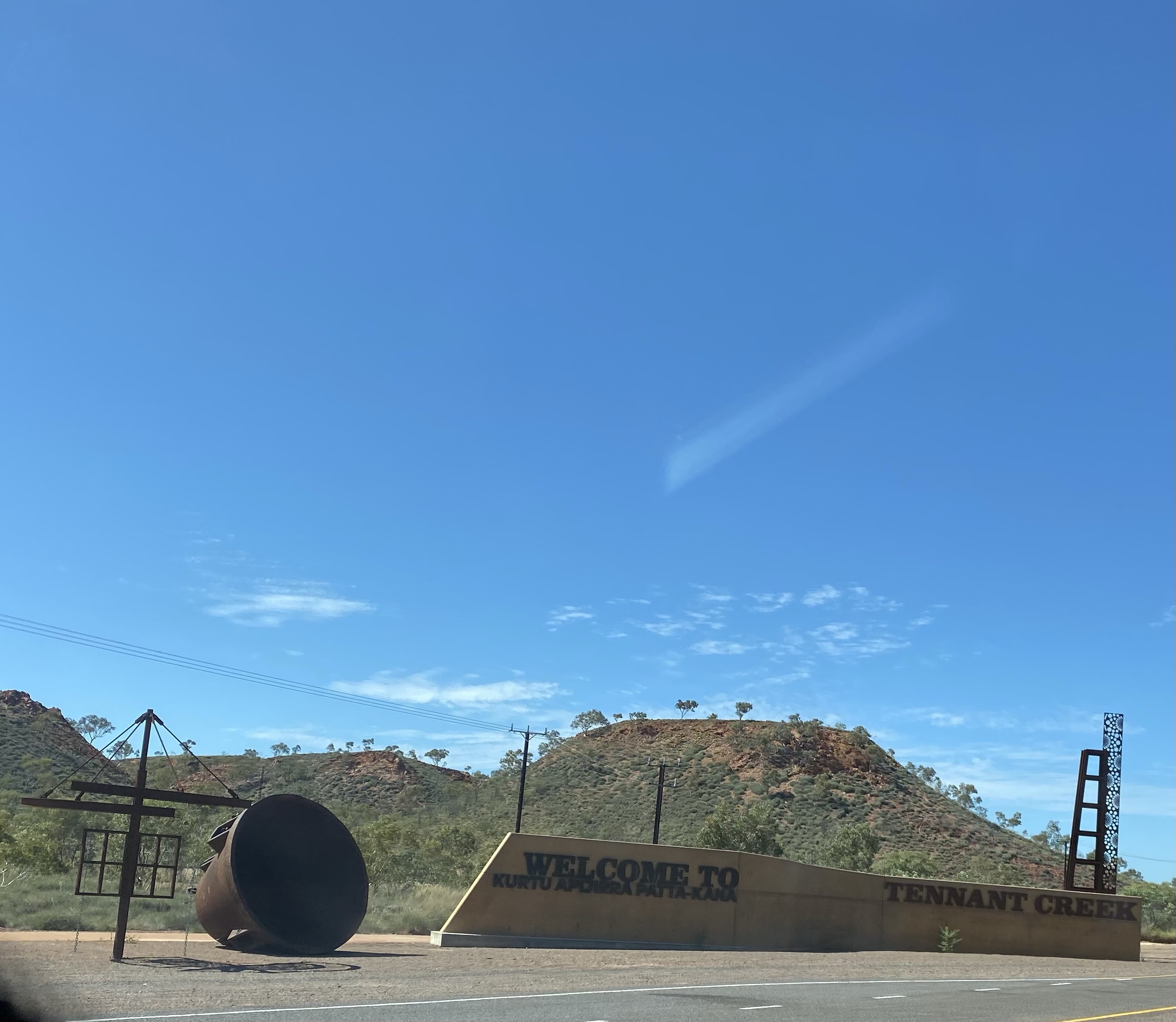
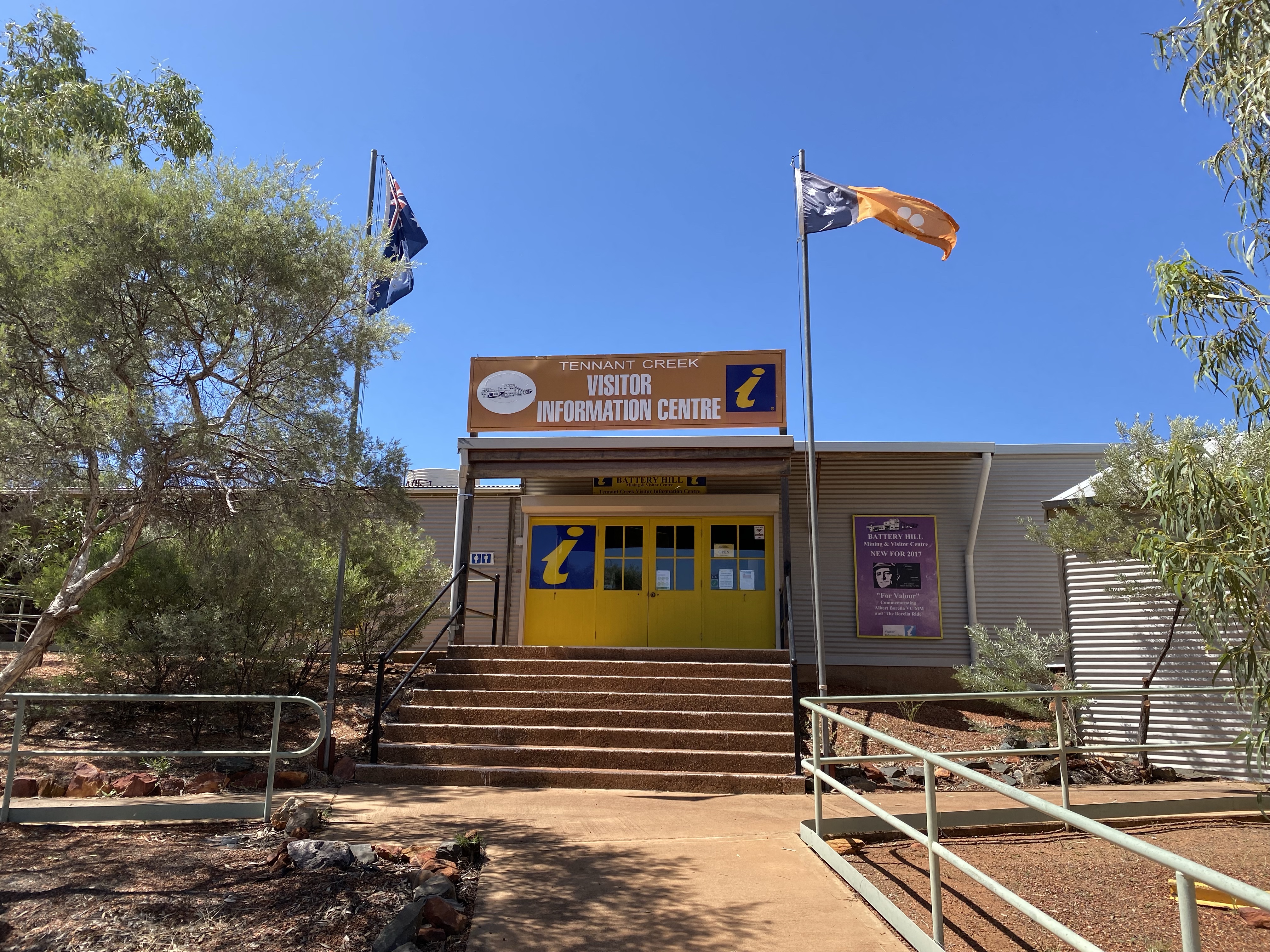
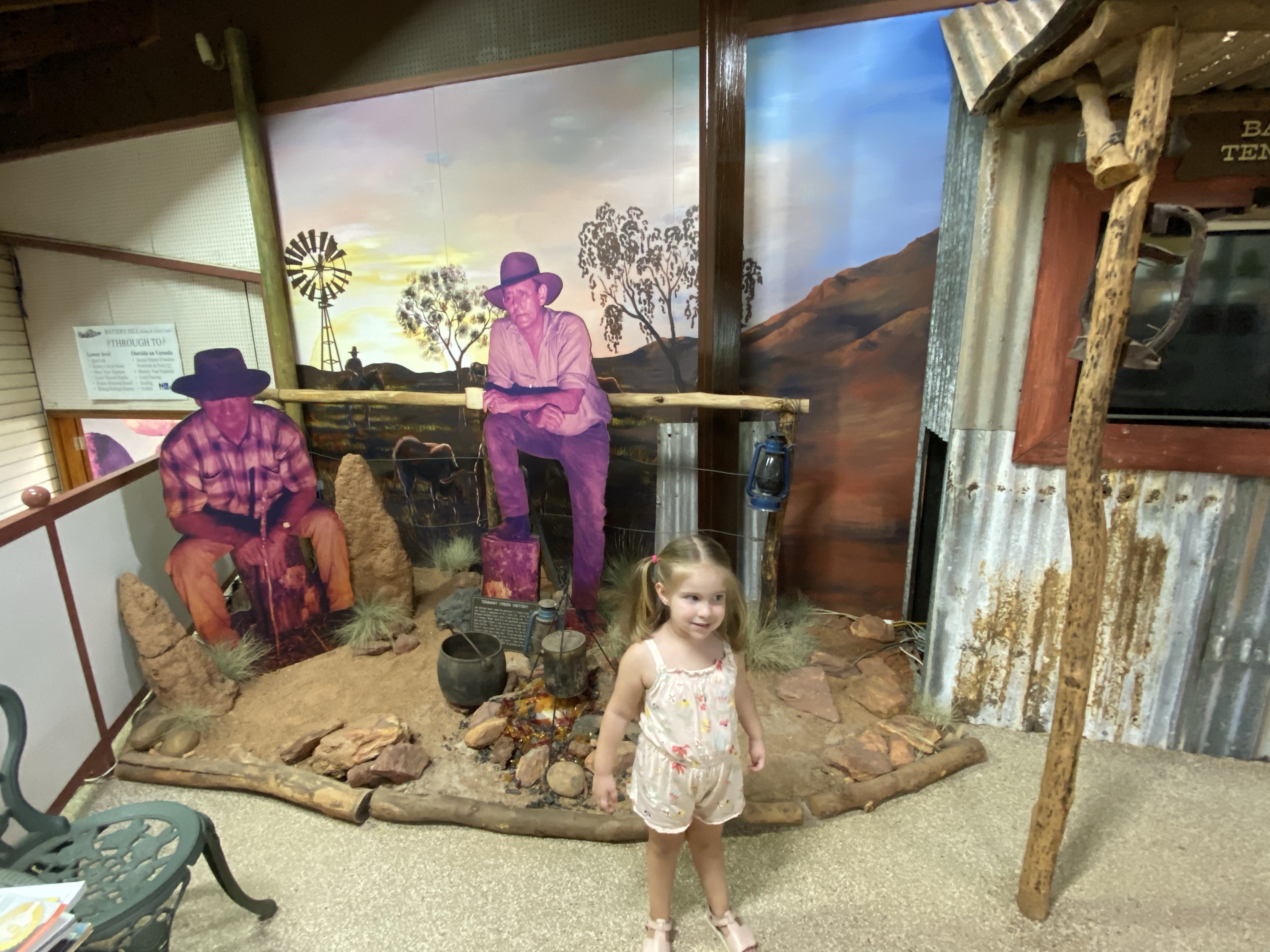
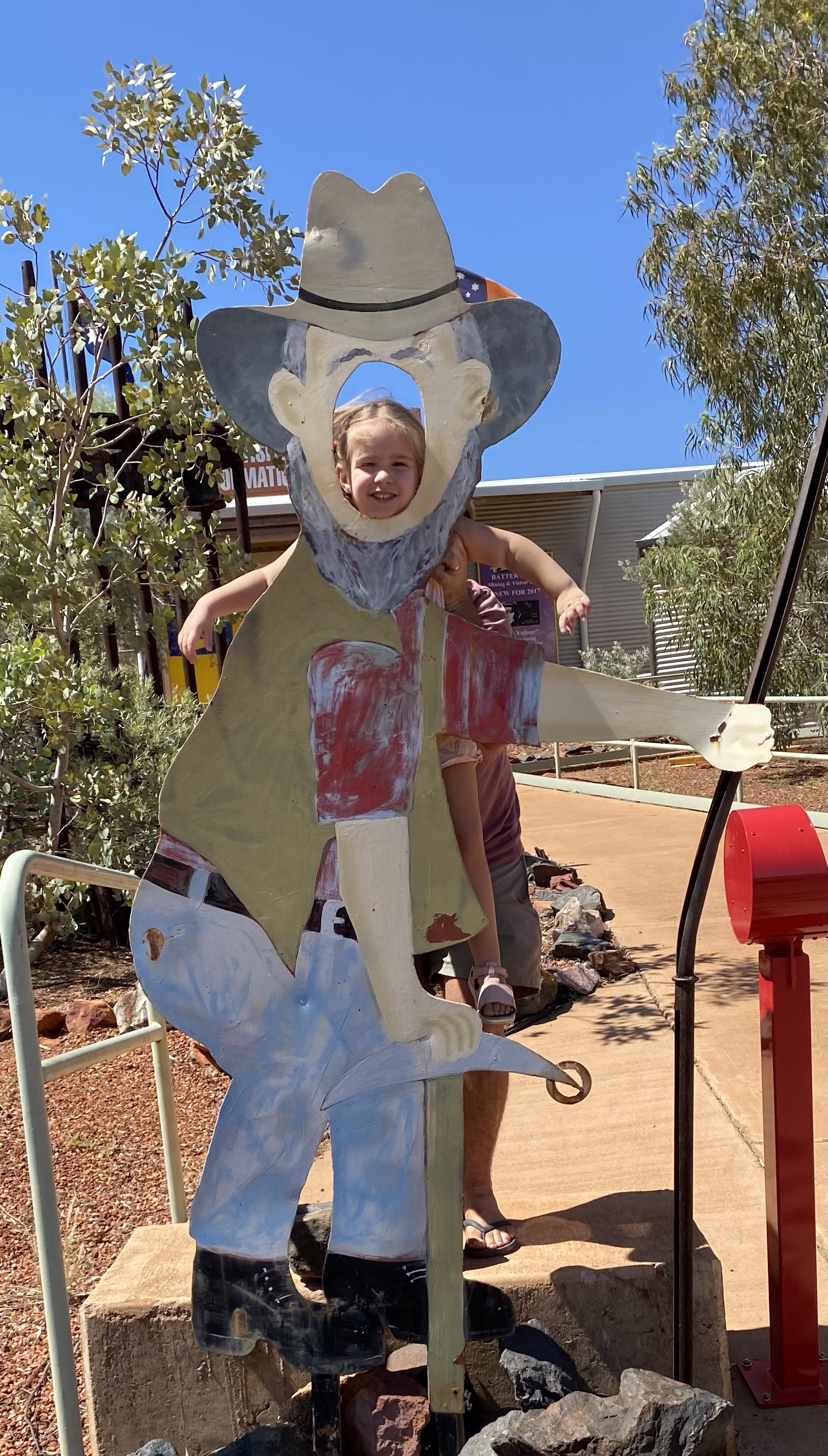
We travelled 160 km to Tennant Creek where we filled diesel, emptied the cassette and had lunch.
Tennant Creek
John Mcdouall Stuart named the watercourse in this region after Pastoralist, John Tennant, from Port Lincoln SA.
For an estimated 40,000 years prior to the arrival of Europeans nine groups including the Warumungu, Warlpiri, Kaytetye and Alyawarra people inhabited the area around Tennant Creek.
By the late 1870s gold prospectors were searching for gold throughout the territory. The prospectors had some success around Tennant Creek. In 1879 traces of gold were found in the creeks and gullies south of the telegraph station but there was not enough to encourage any kind of rush.
Everything changed in 1932 when an enterprising telegraph operator, ‘Woody’ Woodforde, sought assistance from the local Aboriginal community. One man brought Woodforde a lump of black ironstone containing specks of gold. This was a major discovery because previously gold had only been found in quartz. It prompted prospectors to start looking in the hills to the south of the telegraph station which were capped with ironstone. The results were remarkable. The gold in the ironstone was sufficiently rich to yield up to 1.2 kg per tonne prompting Australia’s last great goldrush. So successful was gold mining in the area that the Eldorado Mine, which opened in 1932 and closed in 1958, produced nearly 1,750 kg of gold.
After lunch we travelled another 110km south to visit Kurlu Kurlu or Devil’s Marbles.
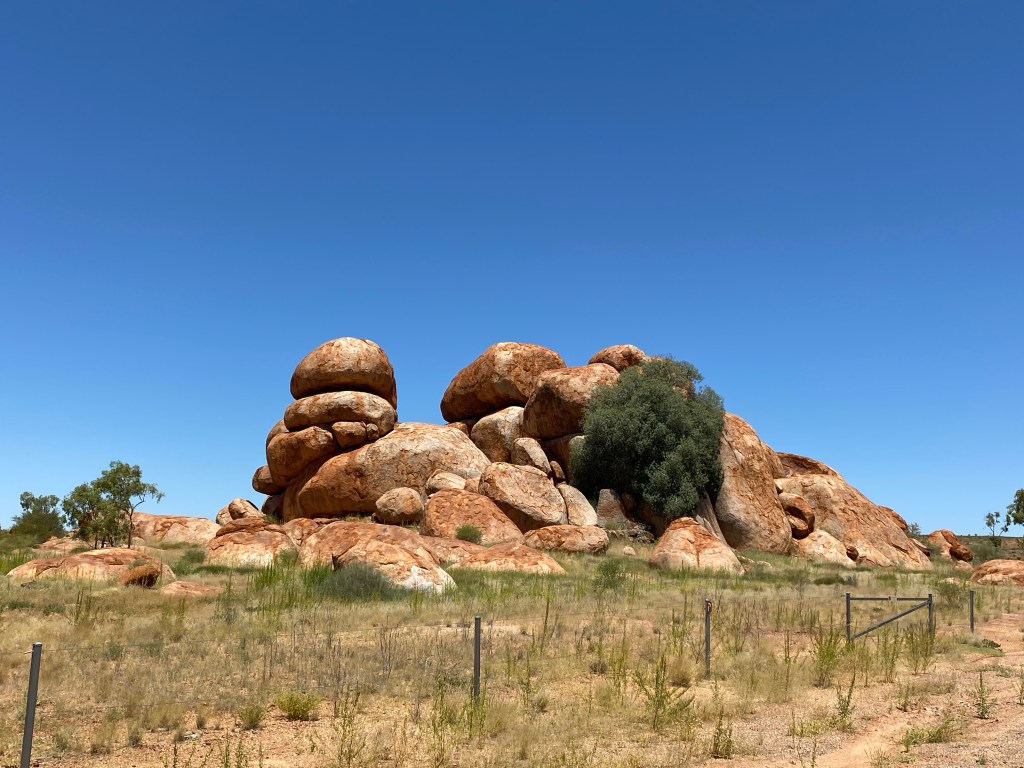
Devil’s Marbles
The Devils Marbles are of great cultural and spiritual significance to the traditional Aboriginal owners of the land, and the reserve protects one of the oldest religious sites in the world as well as the natural rock formations found there.
Karlu Karlu is the local Aboriginal term for both the rock features and the surrounding area. The Aboriginal term translates as “round boulders” and refers to the large boulders found mainly in the western side of the reserve.
The origin of the English name for the same boulders is the following quote:
This is the Devil’s country; he’s even emptied his bag of marbles around the place!
John Ross, Australian Overland Telegraph Line expedition, 1870
We then drove down south about 10km to the Wauchope Devil’s Marbles Hotel.
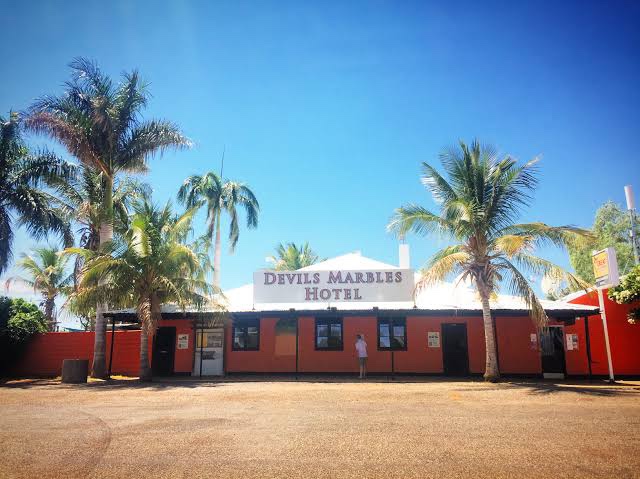
We paid and parked the van for the night.
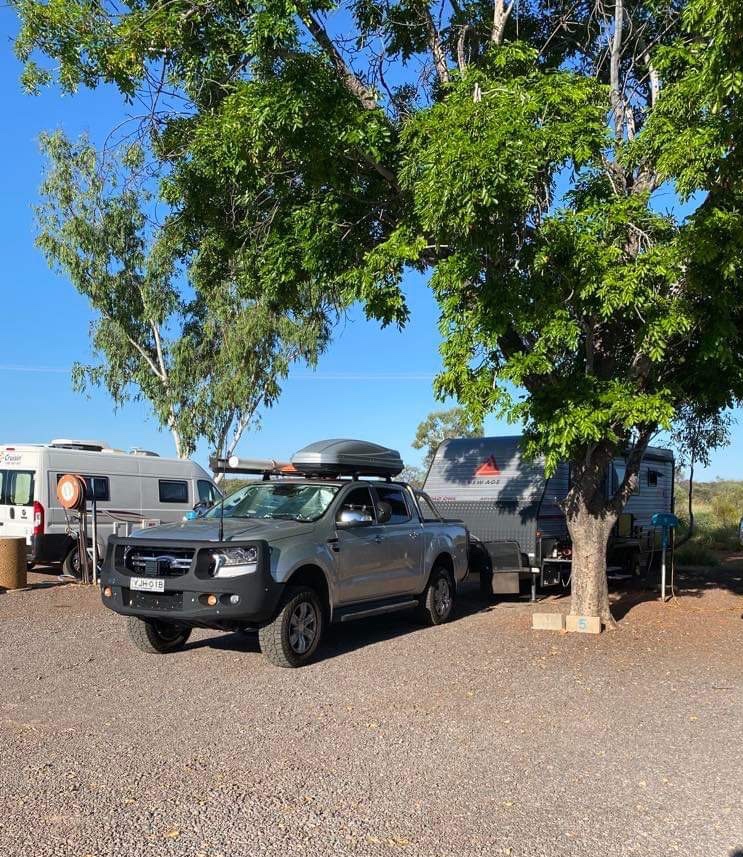
Wauchope
Wauchope is a relatively modern settlement established in 1917 to service the newly established wolfram mining operations and to provide a pub for the workers at the various Barkly Tablelands cattle stations in the area.
Mining continued from 1917 to 1941 and was determined by the price of tungsten and during this time it was estimated that a little over 1000 tonnes of concentrate were extracted from 10,100 tonnes of quartz mined.
By the end of 1943 mining was abandoned although it would restart intermittently according to the prices for the mineral.
Tomorrow
We drove 200km south to a little town called Ti Tree.

 morrisblog.travel.blog