Sunday 19th December to Saturday 25th December
This weekend we moved into our second housesit in a little suburb called Farrar.
We were to look after 2 dogs; Milly a 5 year old female wolfhound and Renji a 8 month old Koolie.
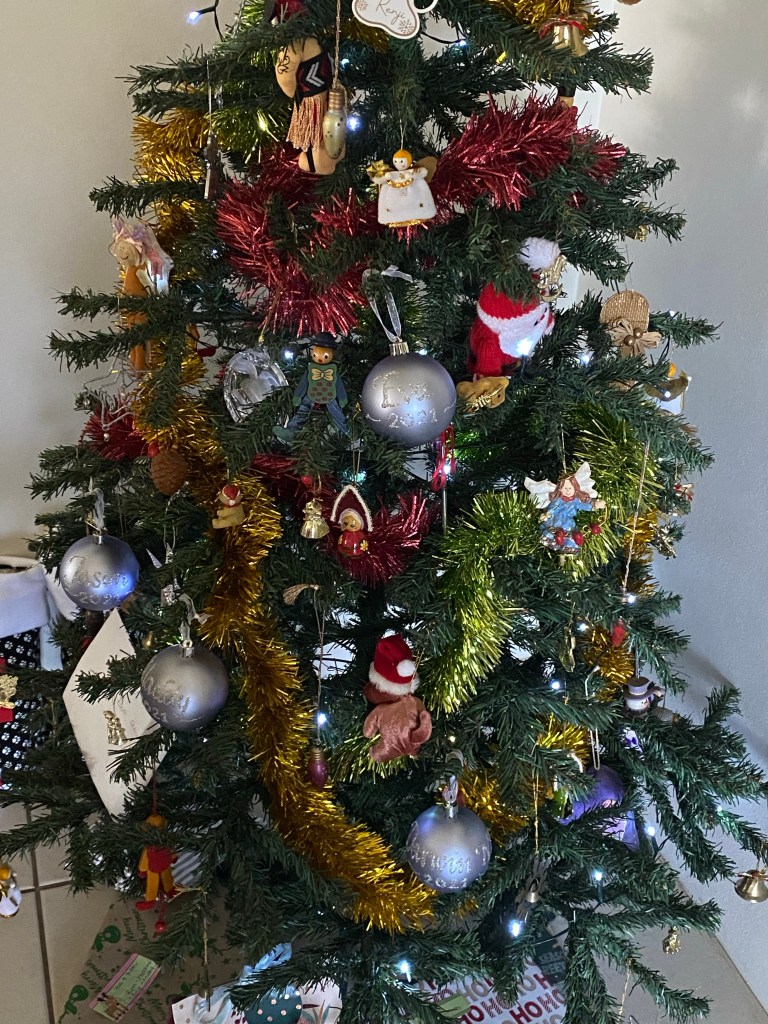
The owners set up the Christmas tree for us and even gifted up 4 personalised bubbles to hang on the tree.
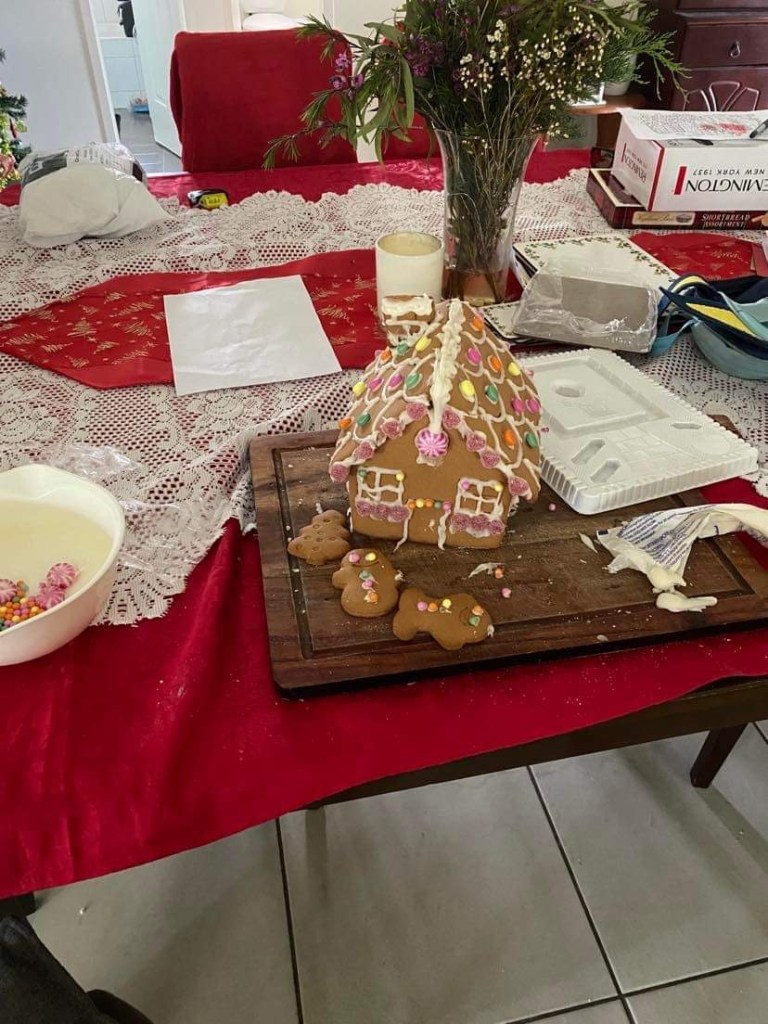
Eva continued to work until 23rd December. While mummy was working, Madeline and Daddy made a gingerbread house.
On Christmas Eve we made our Christmas hats and prepared a Wigilia late lunch before church.

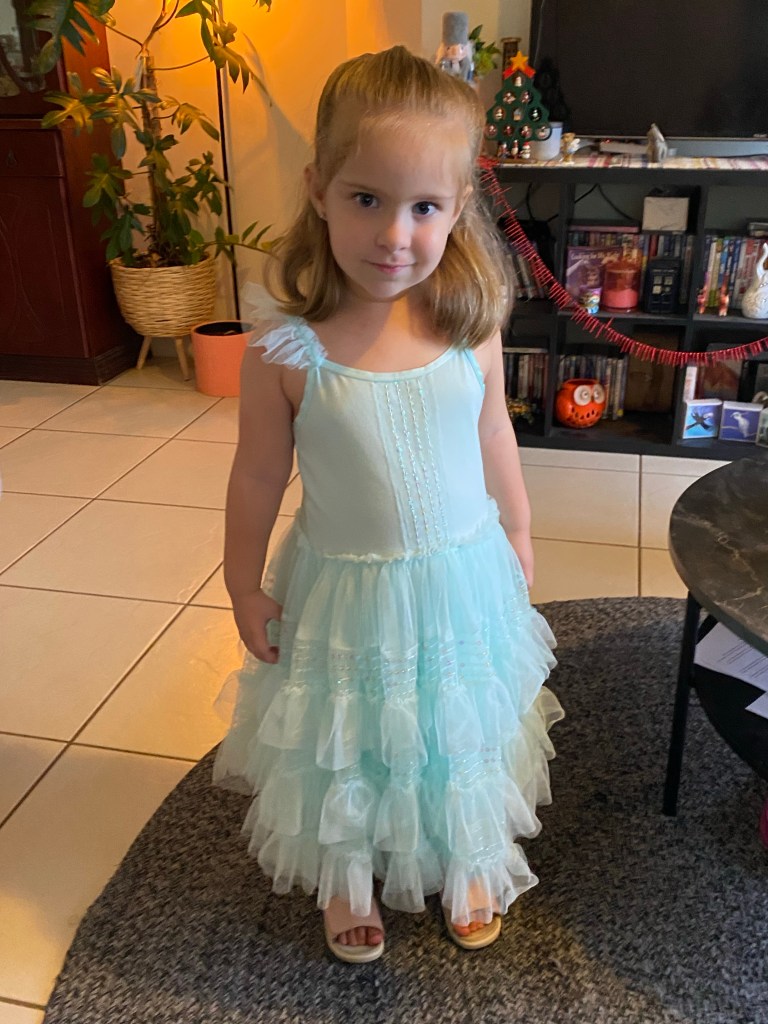
We got all dressed up and beautified for Christmas Eve Mass.

After a beautiful mass we went home and went to bed. We put out milk and cookies for Santa and carrots for the reindeer.
Christmas Day
So excited!! We woke up to open our gifts. We were very spoilt!
After the gifts we had a pancake breakfast and prepared a roast pork lunch for Christmas Day.
Cyclone Watch
We were on cyclone watch all Christmas Day.
There was high winds and lots of monsoonal rain, but little developed on Christmas Day.
Darwin usually faced around 7-8 potential cyclones each wet season. This year they predict as many as 12 possible cyclones in the surrounding sea.
How do they develop?
A cluster of thunderstorms can develop over warm tropical oceans. If that cluster persists in an area of low pressure, it can start rotating. If the conditions are just right, the cluster of thunderstorms can grow in size and sustain itself and then develop into a tropical cyclone.
Once developed, a tropical cyclone is like a giant, atmospheric heat engine. The moisture from the warm ocean acts as it’s fuel, generating huge amounts of energy as clouds form.
The rotating thunderstorms form spiral rainbands around the centre (eye) of the cyclone where the strongest winds and heaviest rain are found (eye wall), transporting heat 15 km or higher into the atmosphere. The drier cooler air at the top of the atmosphere becomes the exhaust gas of the heat engine.
Next week
Another week house sitting and forecast monsoonal weather is likely to keep us indoors. Catch you soon.

 morrisblog.travel.blog