Sunday 8th to Saturday 14th August 2021
Sunday
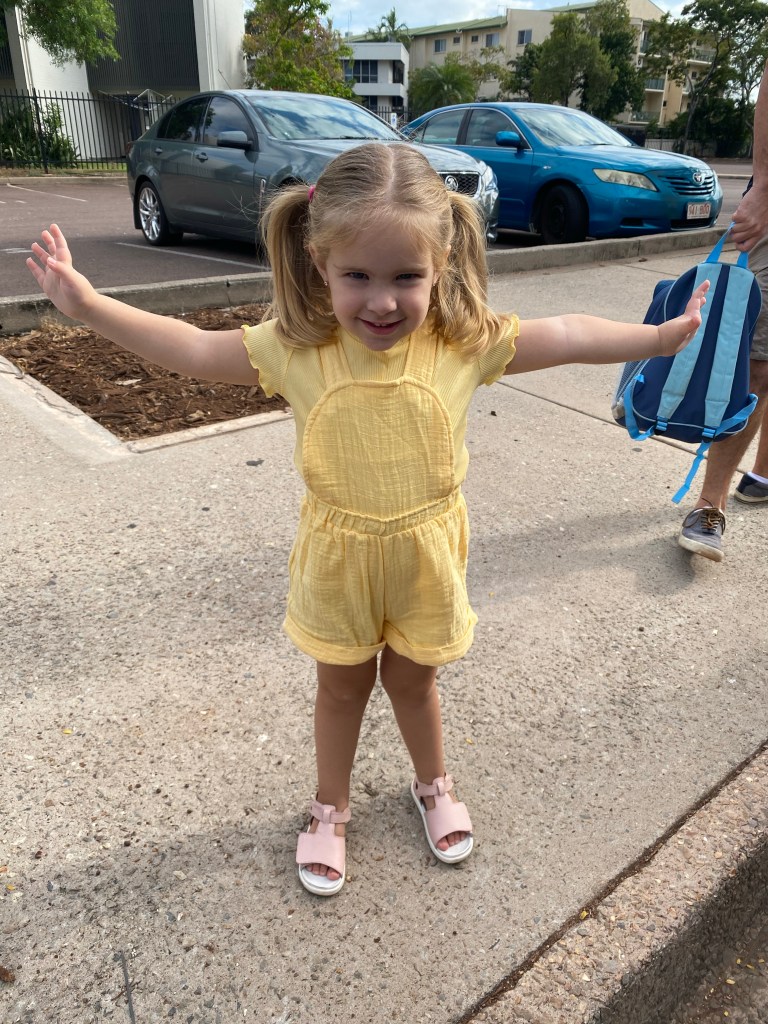
We attended church at the cathedral and was truely blessed by the experience. Madeline was chuffed wearing her favourite colour yellow.
We did our family lunch and groceries as well.
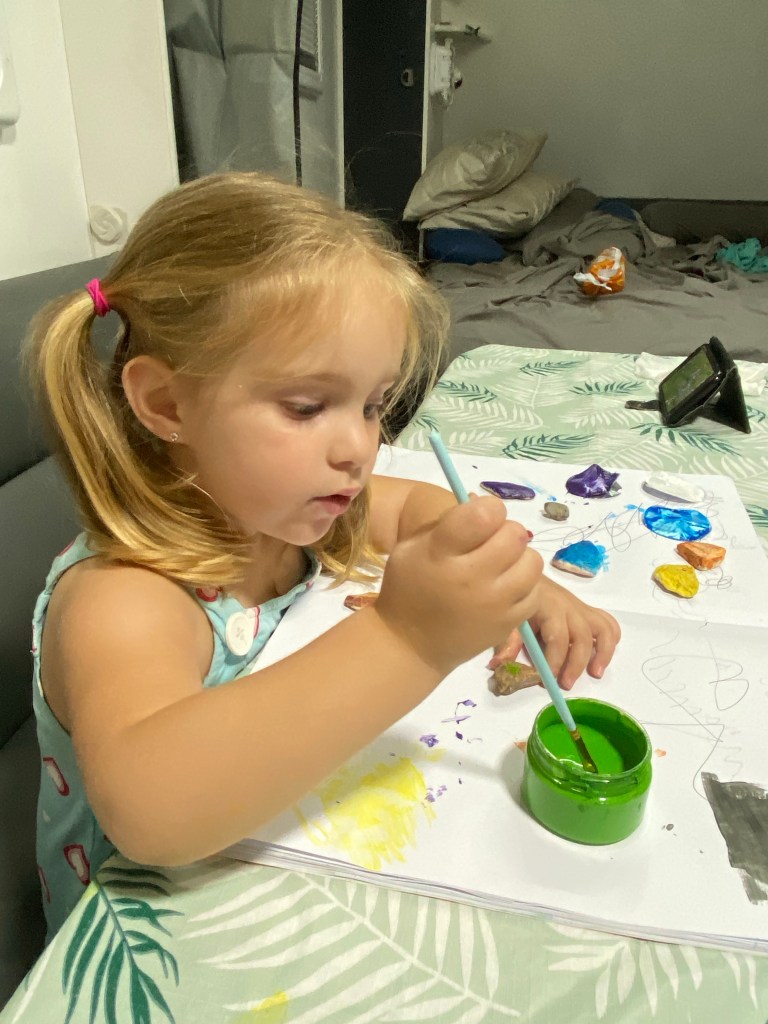
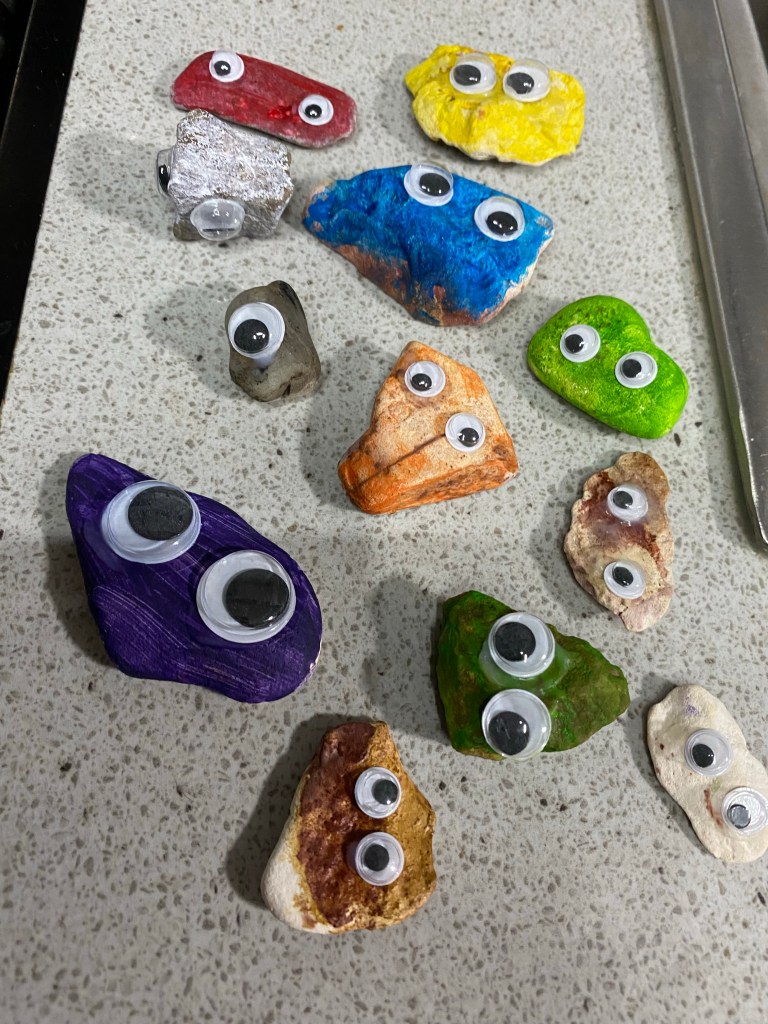
The afternoon was arts and crafts. We made rock people.
Monday through Friday
Jason took Madeline to toddler time at the library on Monday and Tuesday.
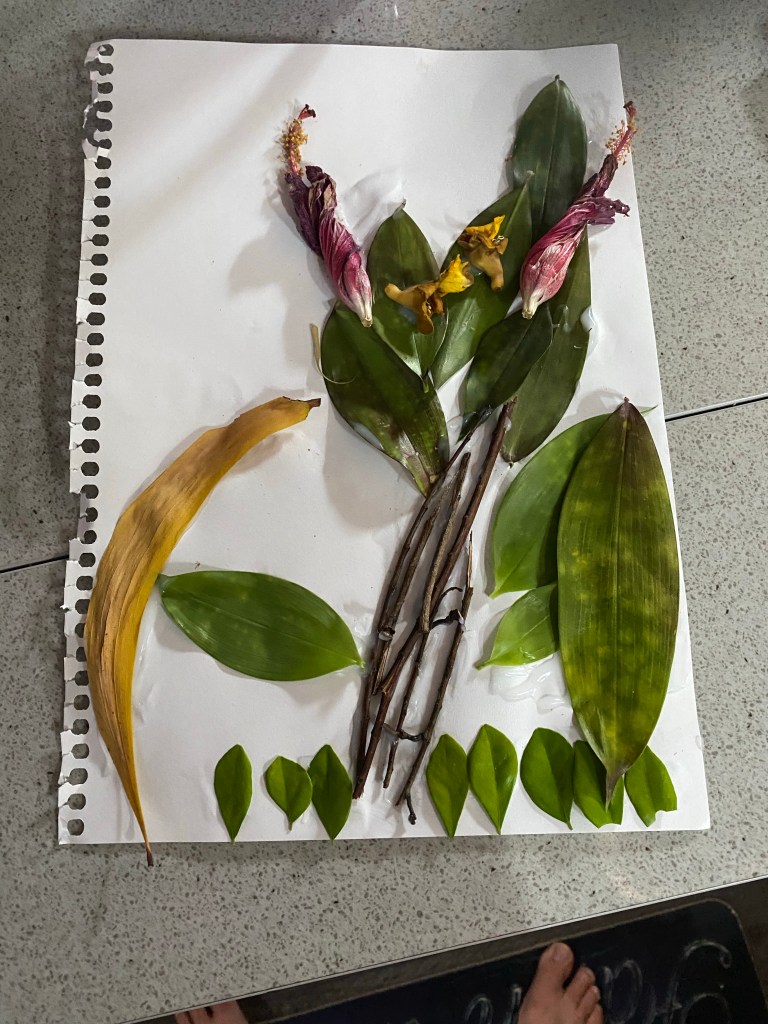
They also did some bush art on Monday morning.
On Wednesday Eva had an amniocentesis which was a relatively painful procedure but to know the results will be super helpful. she rested for the day.
Thursday and Friday were filled with play time and swimming.
Jason had his first Pfizer vaccine on Friday.
Saturday – The Darwin Big Bus
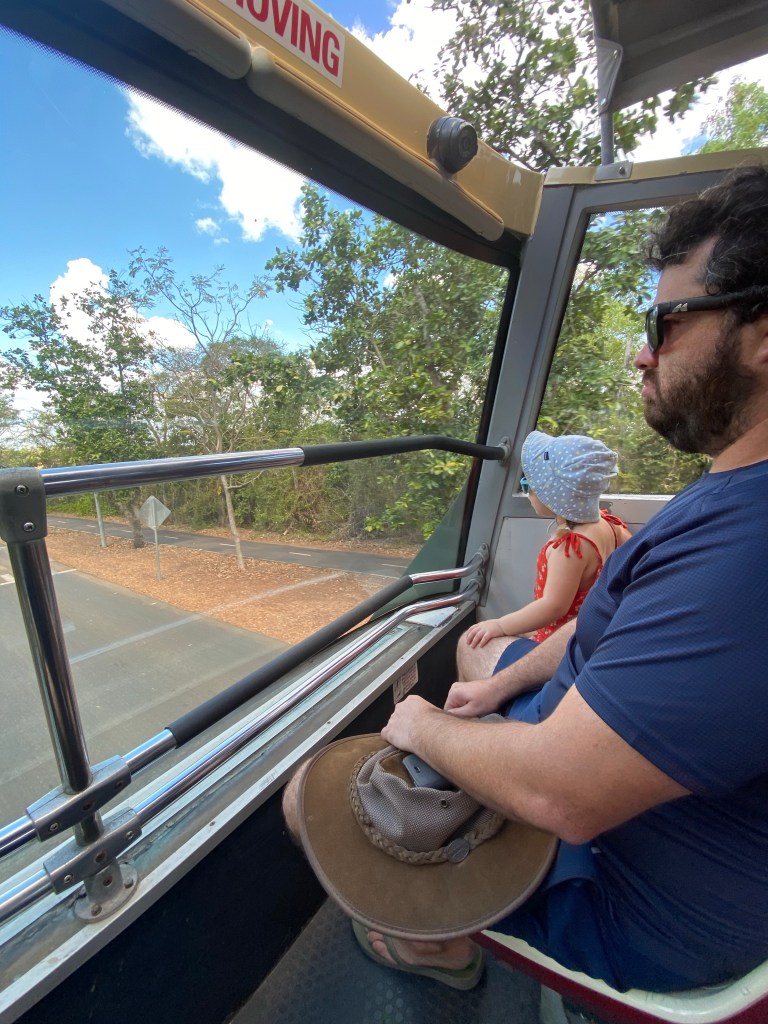
Today we went on the Big Bus – Hop-on-Hop-off.
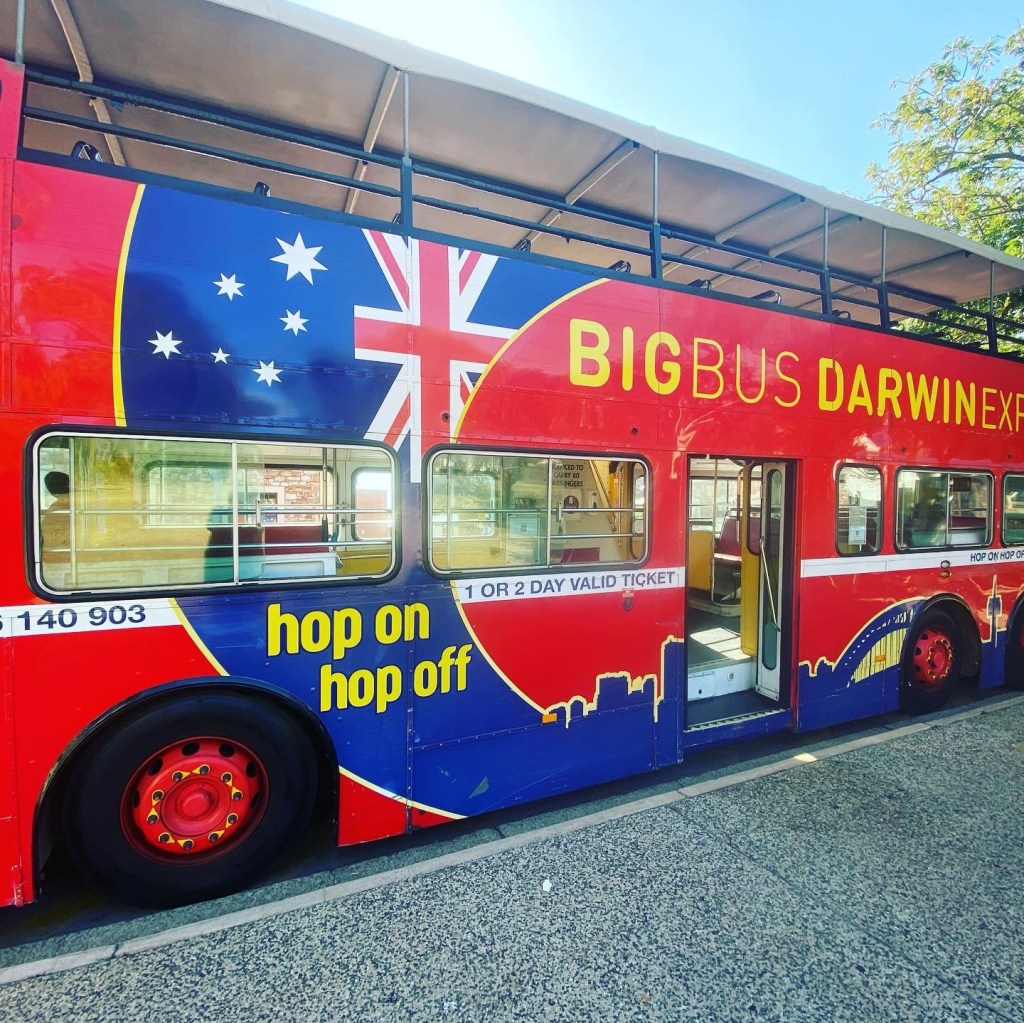
The bus started at the Darwin Tourist Information centre.
Stop 2 – Crocosaurus Cove
We passed by the second stop as we are planning to return for a day trip later in the year.
A unique inner city Wildlife based attraction that allows visitors to witness iconic Top End Crocodiles from 3 months to 80 years old in 8 purposely designed displays that can be viewed from all 3 levels.
Crocosaurus Cove is also home to the World’s largest display of Australian Reptiles and Australia’s first and only crocodile dive experience, the Cage of Death.
Stop 3 – Doctors Gully
We disembarked at this stop to visit AquaScene.
Darwins Doctors Gully is known for Aquascene Fish Feeding and as the Darwin Catalina Flying Boat base.
This is also the site of a heritage listed area known as Peel’s Well, a well which was gazetted on 19 April 1877 and provided water for the first gardens in the settlement and visiting ships.
Named after Doctor Robert Peel, the medical officer attached to Goyder’s survey party in 1869, the area became known by the colloquial name ‘Doctor’s Gully’. Doctor Peel found water ‘… in a gully between Fort Point and Point Emery’, thus the name Doctors Gully.
It soon became a landing point for livestock and a safe beach for careening ships.
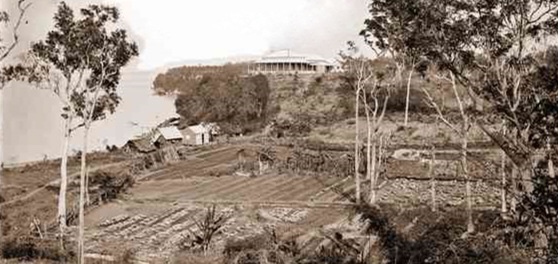
Most of the early gardeners were Chinese, with the first formal lease issued on 30 March 1875 to three Chinese settlers.
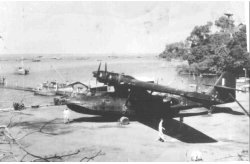
During World War II, the RAAF seconded Doctors Gully as the new northern base and headquarters for Australia s largest flying boat squadrons, the Catalinas.
AquaScene
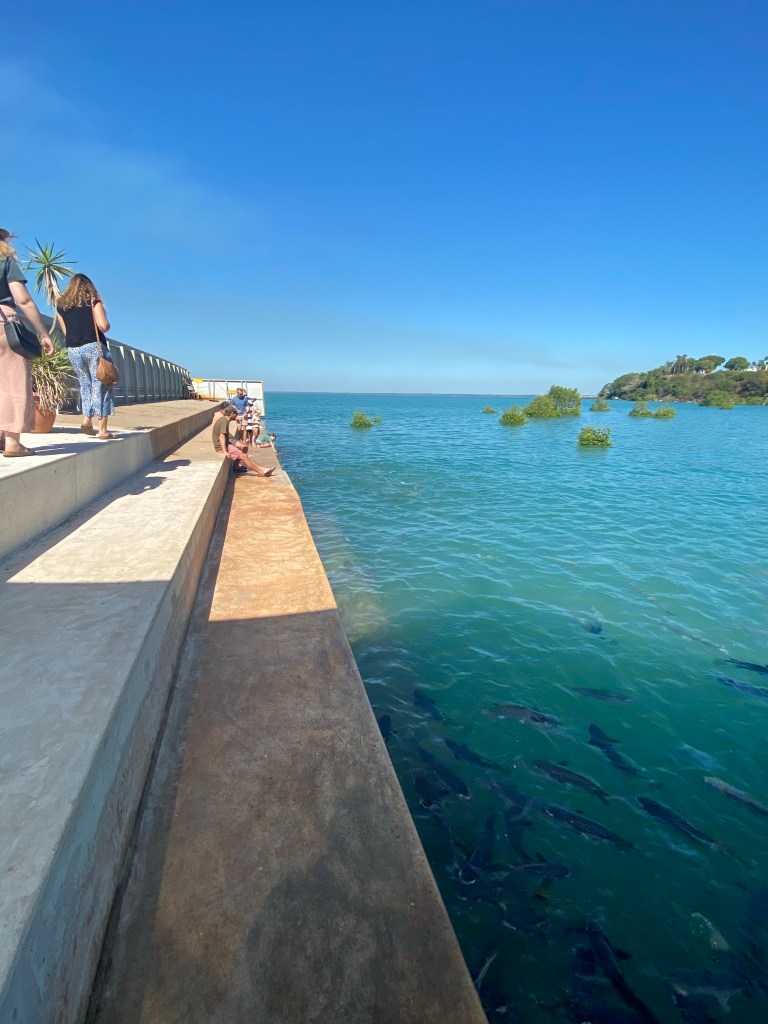
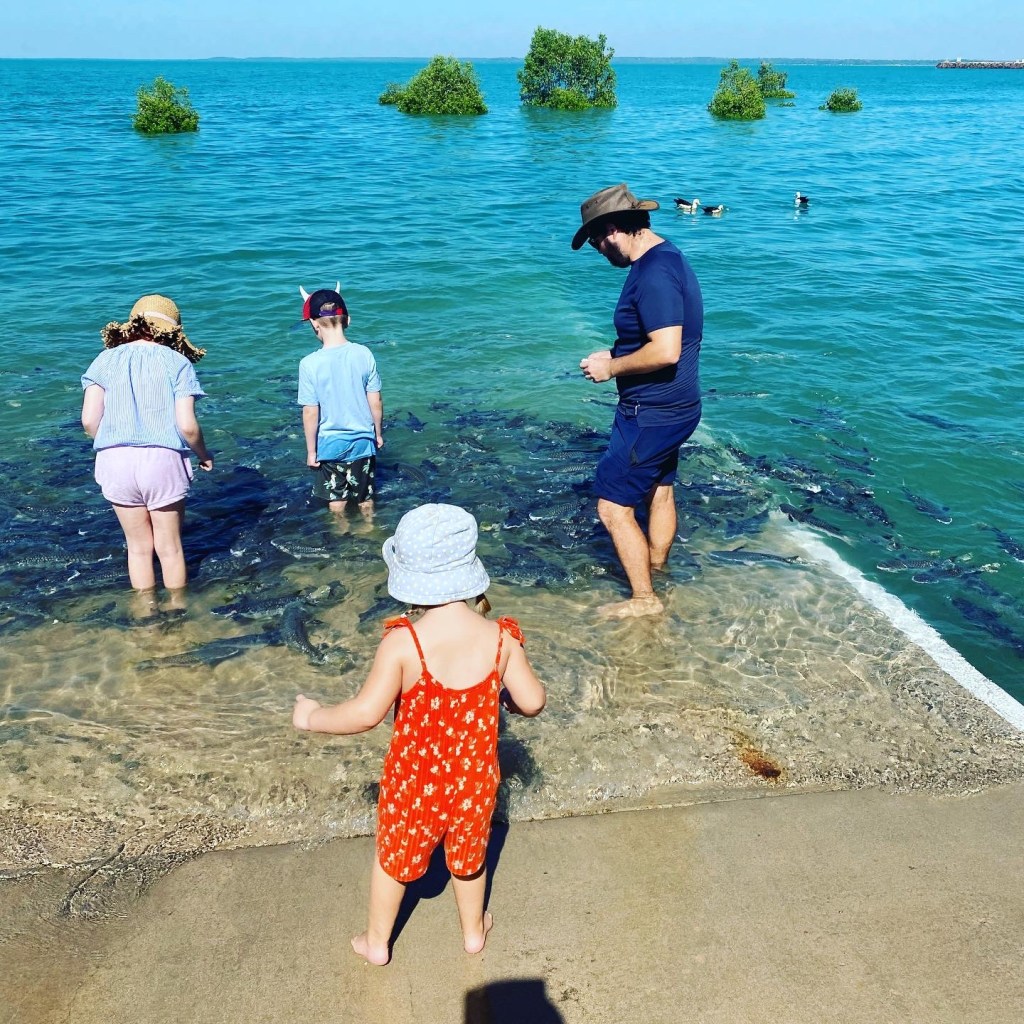
Since the early 1950s a unique and natural phenomena occurs on the high tide amongst the tranquil tropical waters of Darwin’s Doctors Gully.
Hundreds of friendly local wild fish swim to the shallow shoreline in search of a gratuitous meal of fresh bread.
Over the course of this enduring 60 plus year tradition, the fish have shed their normal shyness and are willingly hand-fed to the delight of thousands of fascinated locals and tourists every year.
Aquascene was established in 1981 and attracts upwards of 70,000 visitors every year.
Stop 4 – Cullen Bay Jetty
We disembarked the bus again here.
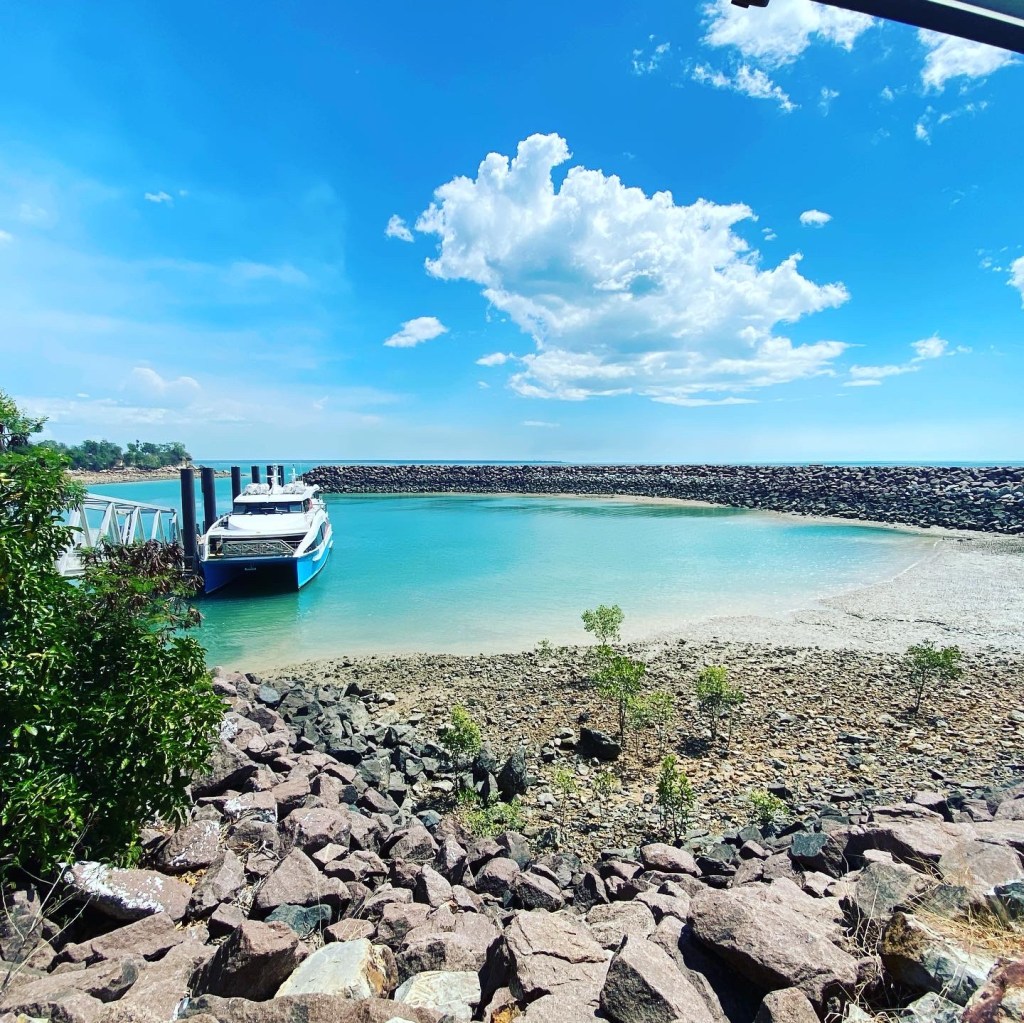
The main feature of this popular location is the magnificent Cullen Bay Marina, being home to over 250 vessels.
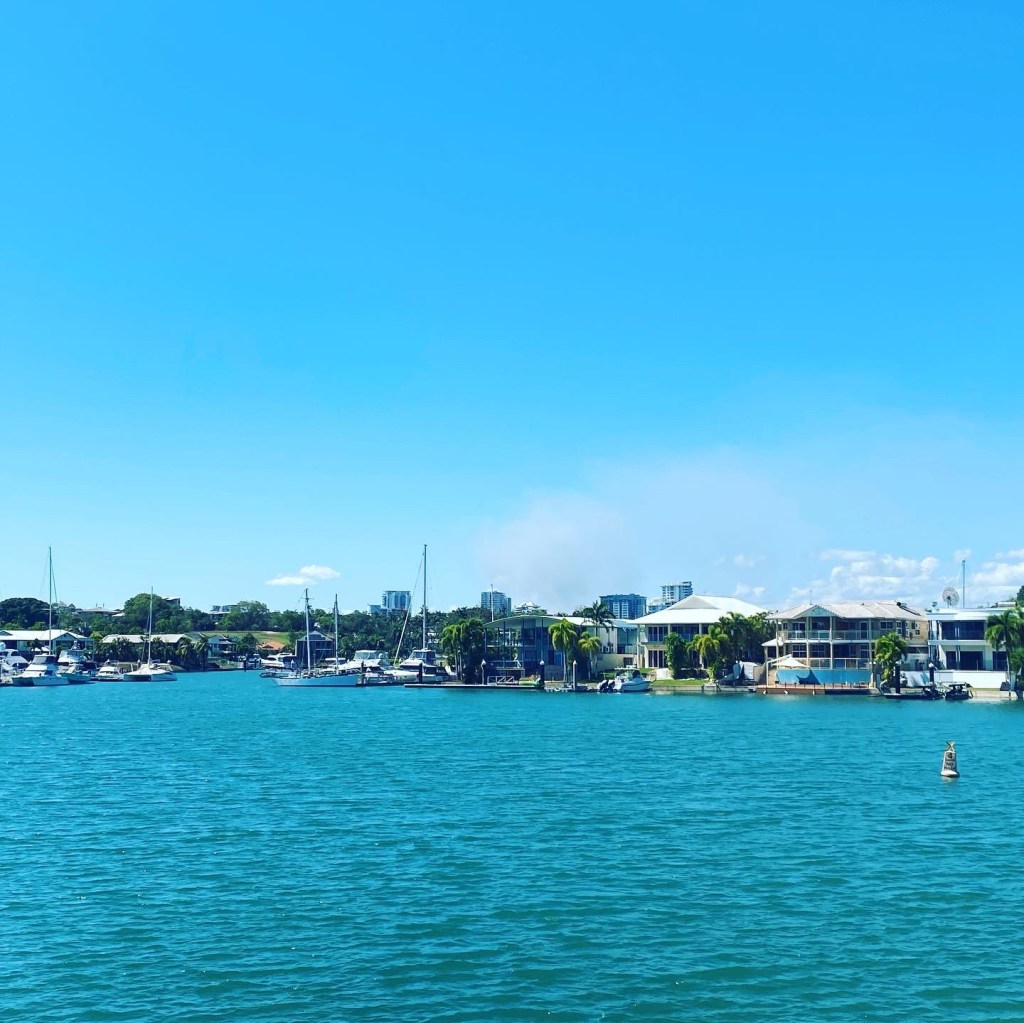
Being in a typically tropical environment and subject to severe cyclones and weather extremes, Cullen Bay Marina has been uniquely designed to protect its occupants against such natural elements thanks to its locked waterway and huge man made seawalls. It is of great comfort to all here that this is a registered Cyclone haven to both small and medium size vessels.
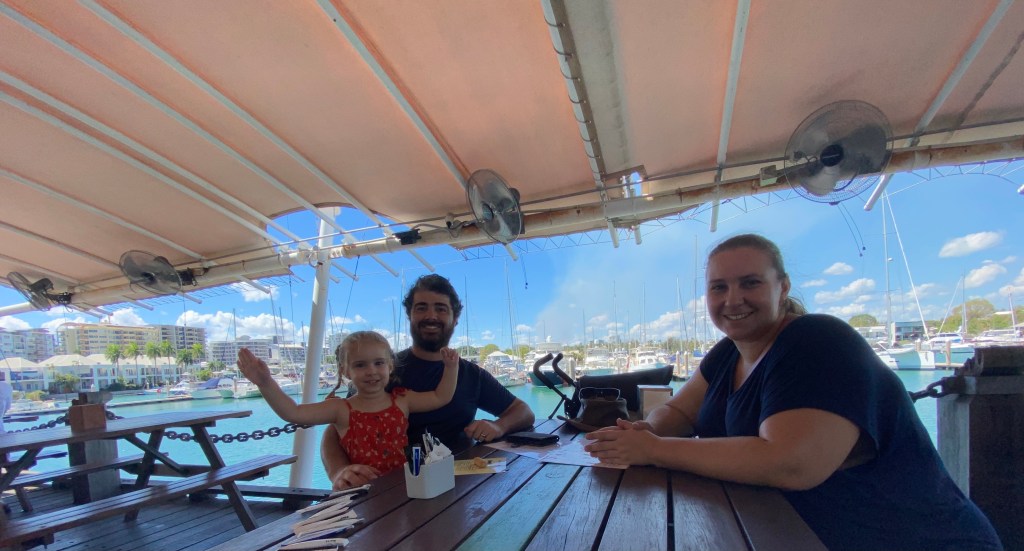
We stopped for lunch here and enjoyed a walk around the marina.
Stop 5 – Mindil Beach and Casino
We bypassed Mindil Beach. We’ve previously visited here.
Stop 6 – Museum and Art Gallery
We bypassed this stop as we will be returning to visit on a day trip. There is an exhibition about Cyclone Tracey here.
Did you know that they don’t actually know how fast the wind speeds were on that Fateful Christmas morning in 1974, when cyclone Tracy hit Darwin killing 71 people and flattening 70% of Darwin. They devices that were set up to capture the wind speeds, were all destroyed by the tropical cyclone winds.
Stop 7 – Military Museum
We by passed this stop as we plan to return on a day trip.
On the way through we passed Fannie Bay Goal. We will also be doing this on a day trip.
The military museum is located on East Point. The museum highlights the Defence of Darwin, bombing of Darwin on 19th February 1942.
On that day, 242 Japanese aircraft, in two separate raids, attacked the town, ships in Darwin’s harbour and the town’s two airfields in an attempt to prevent the Allies from using them as bases to contest the invasion of Timor and Java during World War II.
Did you know after the 19 February 1942 Japanese raid, the Northern Territory and parts of Western Australia’s north were bombed approximately 100 times between 4 March 1942 and 12 November 1943.
Stop 8 – Parap Markets
We travelled up Ross Smith Avenue and bypassed the markets as they were closed for the day.
Named after Sir Ross Smith who in 1919 became the first aviator to fly from England to Australia. A monument at Fannie Bay commemorates his landing.
Ross Smith Avenue was the original airstrip for the Darwin Civil or Ross Smith Aerodrome.
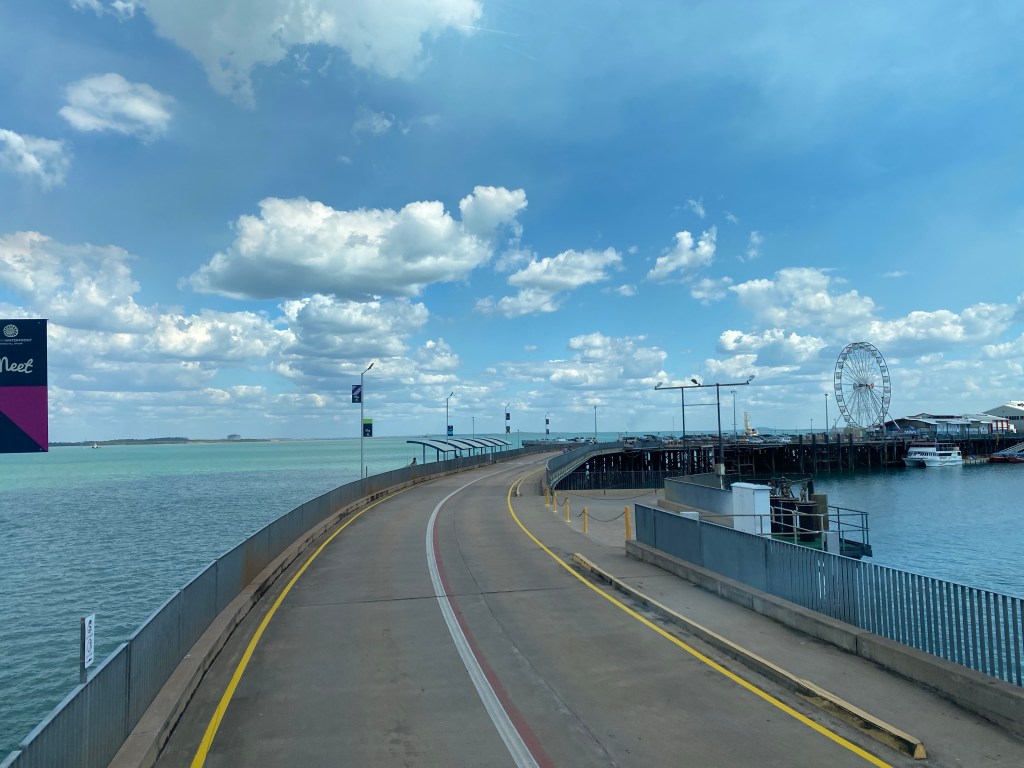
Stop 9 – Stokes Hill Wharf
Shares the name of the adjacent Stokes Hill which was named after the previous commander of HMS Beagle, Captain Pringle Stokes.
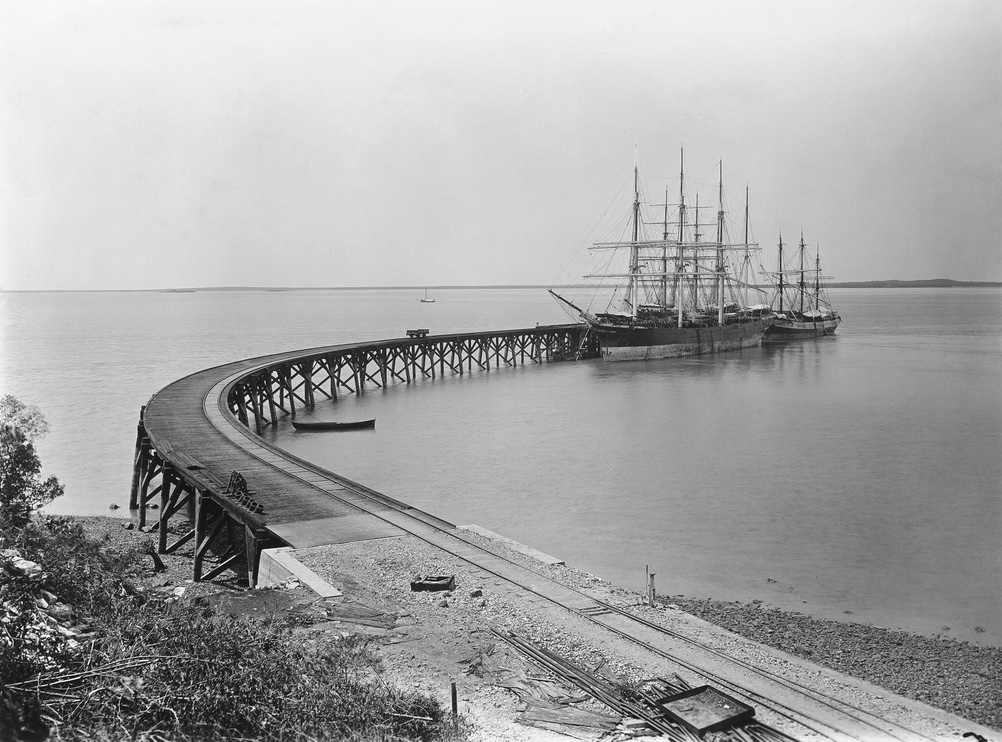
The first wharf built in 1885-86 was called the Port Darwin Jetty or Railway Jetty and was made of timber. A small steam engine, known as the “Sandfly”, was used to shunt rail stock the length of the jetty. The jetty was closed in 1897 owing to the danger of collapse. The cyclone of 1897 and being eaten away by teredo navalis, a salt water clam also known as the naval shipworm, eventually caused the jetty to collapse that year.
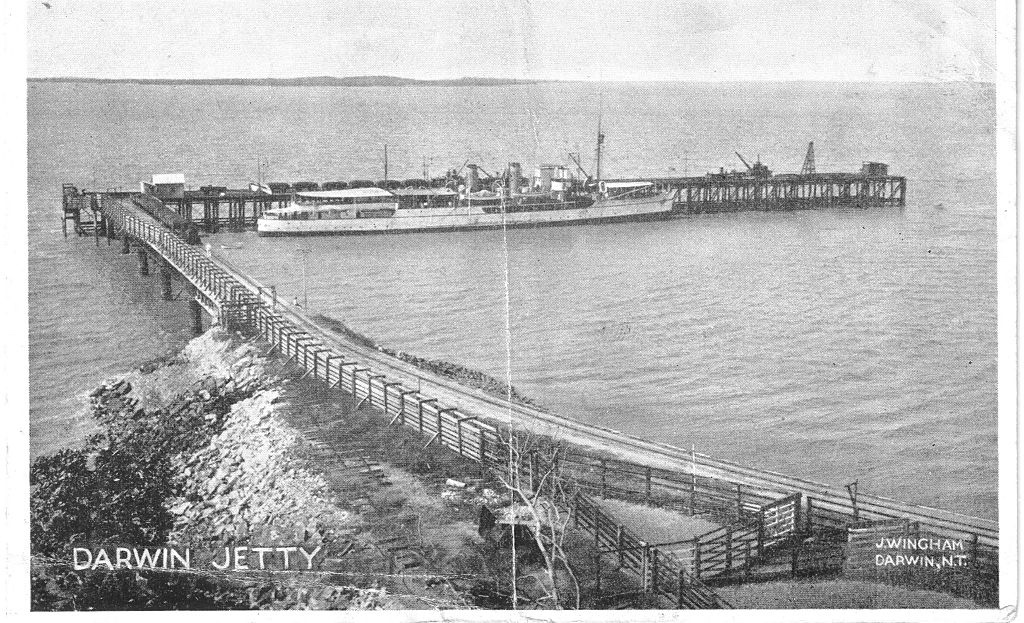
The second wharf was built in 1903 and was called the Town Wharf. This was made of cast iron and concrete piers with wooden decking on top. It was built in the shape of an L which caused problems with loading and unloading as railway carts had to be turned on a turntable. In 1922, a rail track along the bridge section was replaced by a cattle race to facilitate live exports.
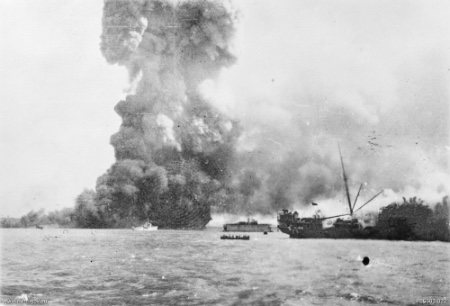
This wharf was damaged in the first Japanese bombing raid on the 19 February 1942 and part of the bridge section was destroyed. Army engineers built a temporary bridge to enable loading to continue.
The third wharf, which is the current wharf, was built and completed in 1956 and was the main wharf for Darwin until the Darwin Port at East Arm was completed in 2000.
This wharf was built of steel and concrete with timber decking. The wharf is mainly used as a venue for restaurants and for small boats to tie up alongside.
Stop 10 – Darwin Waterfront Precinct
We bypassed this stop. This is another whole day trip on its own.
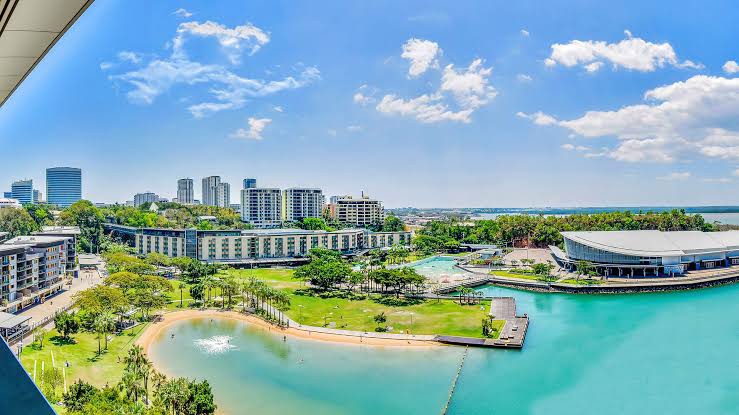
Here you will find a man made beach and wave pool as well as high rise apartments and lots of seaside restaurants.
The Darwin oil Storage tunnels at here as well. They were built to protect oil stores after 7 of 11 above ground oil storage tanks were destroyed on 19th February 1942. We will tour 2 of these tunnels on another day.
The Royal Flying Doctor Service museum is also here. Another trip we have planned.
Stop 11 – Back to the start
We arrived back at the Tourist information centre around 330pm.
We had a great day looking at the sites.
As you can see there is so much to see and do in Darwin let alone it’s surrounds. Lucky we have 6 months here.
Next week
We will like do a day trip in Darwin on Saturday to one of the iconic tourist attractions. Stay tuned!

 morrisblog.travel.blog