
Wednesday 2nd June 2021
We had a good night sleep with the diesel heater on again. Dropped to 14 degrees overnight.
We left around 930am with only a short 127km to The Undara Experience.
The change in the land was again noticeable. We went from dairy and cow country into dry sclerophyll forest. It was interestingly see the thousands of termite mounds scattered along the bush. The roads we long and straight.
We managed to use our UHF radio twice today, which is a first for our trip. One time was to be overtaken by 3 defence force trucks, who called to ask for assistance overtaking us. The second, we overtook a slow truck towing an ATV and Tinny. Using the UHF made overtaking much safer and comfortable.
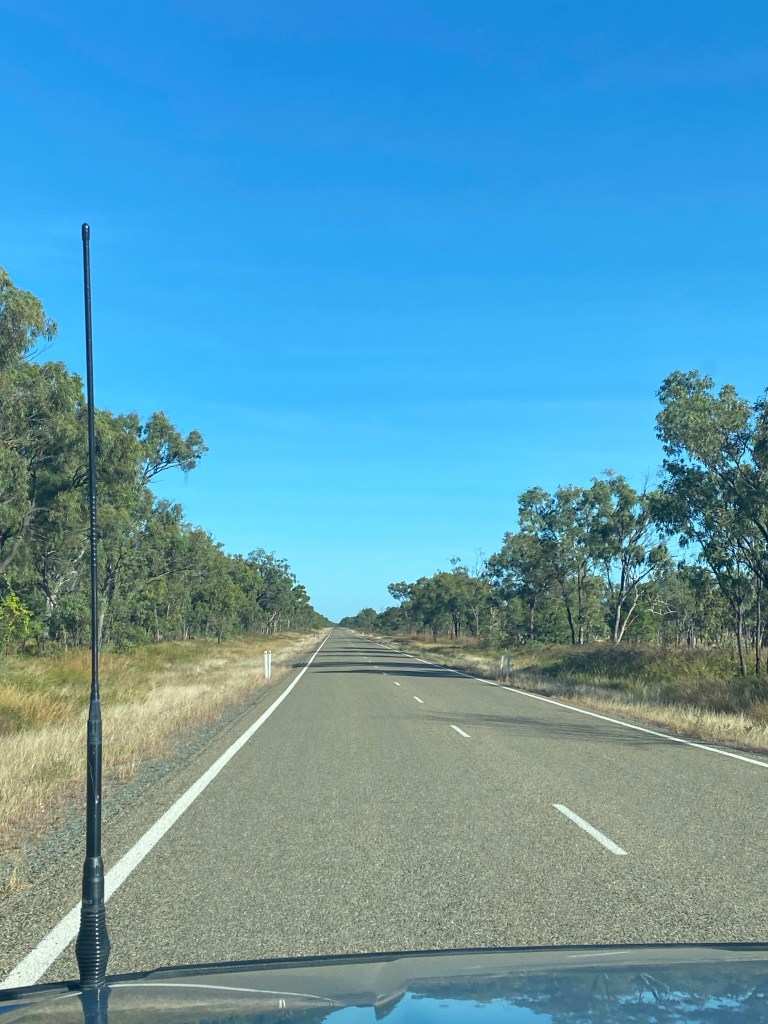
We stopped at a rest area for lunch and a cup of tea. Madeline loves to sit in dads driving seat and change all the settings. We started our drive from the rest area in 4WD and the red arc braking system was turned off. We have gotten use to doing full car and trailer checks before moving even after a pit stop.
Undara Experience
We pulled into Undara Experience which is a outback ‘resort’ on private land. It borders Undara National Park, which was for a time privately accessible by the Collins family who ran tours into the National Park. There are now only two tour operators taking people into the park and it is not accessible by the public as a self guided option.
It may sound a little privatised but once on the tour, you realise quickly that without a guide some people are likely to get themselves into trouble. CO2 build up in the tunnels and flood waters in the caves are just 2 reasons.
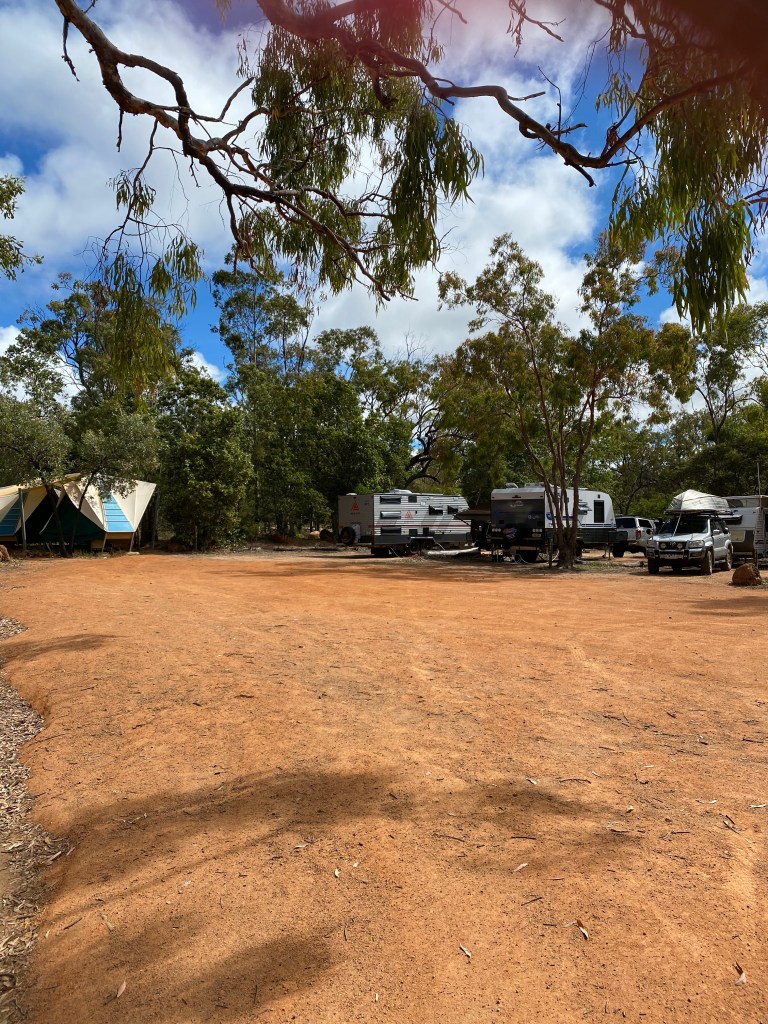
Our tour – Volcanic Lava Tubes – Archway Explorer
We left for our tour at 1pm and we were driven into the National Park.
The tour guide was absolutely amazing and gave us a wealth of knowledge regarding the landscape. We learnt about volcanic activity in the area. The laying down of granite as part of the volcanic activity and the change in scenery the closer we got to the tubes. Basalt rock became abundant as did the flat plains.
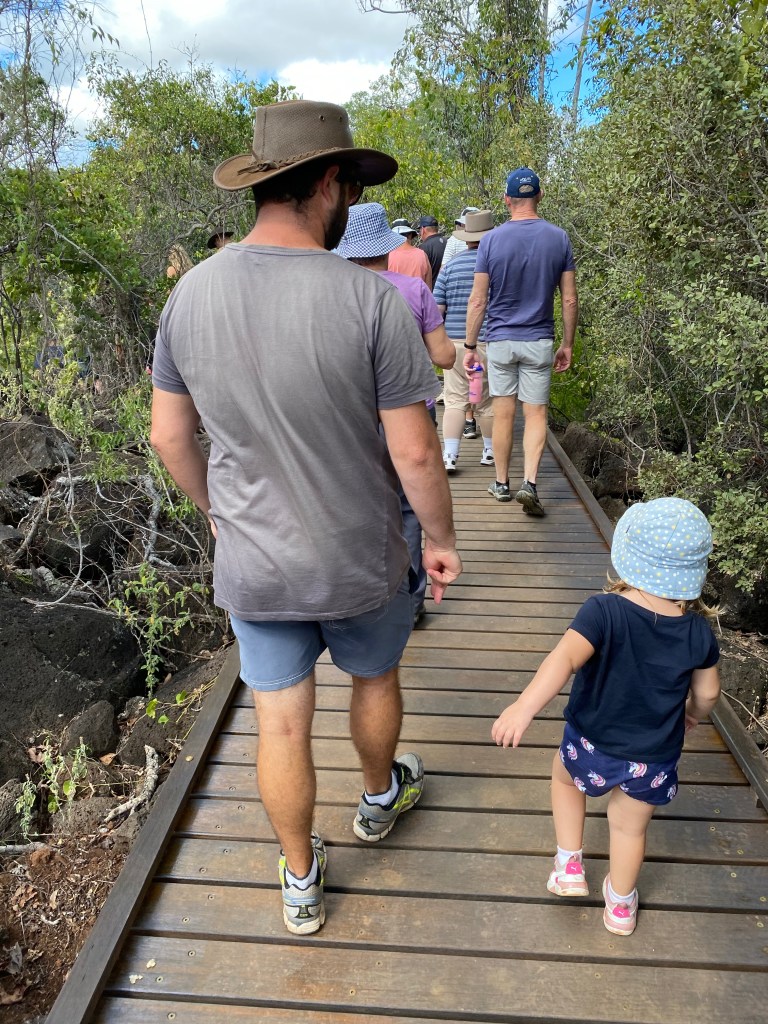
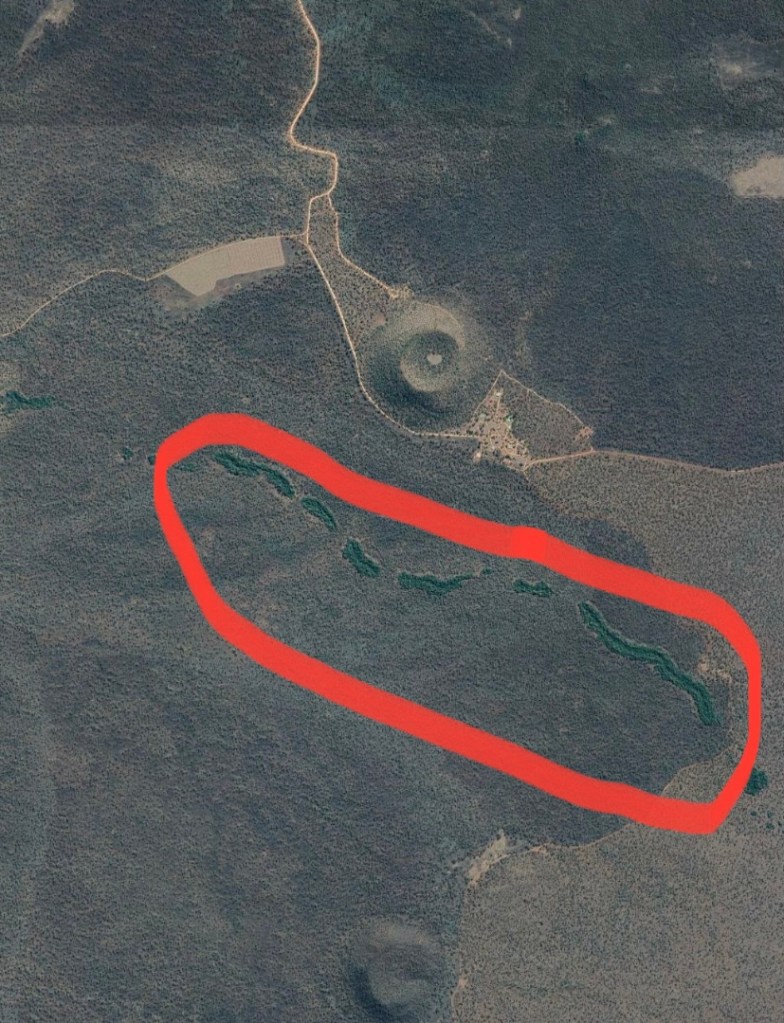
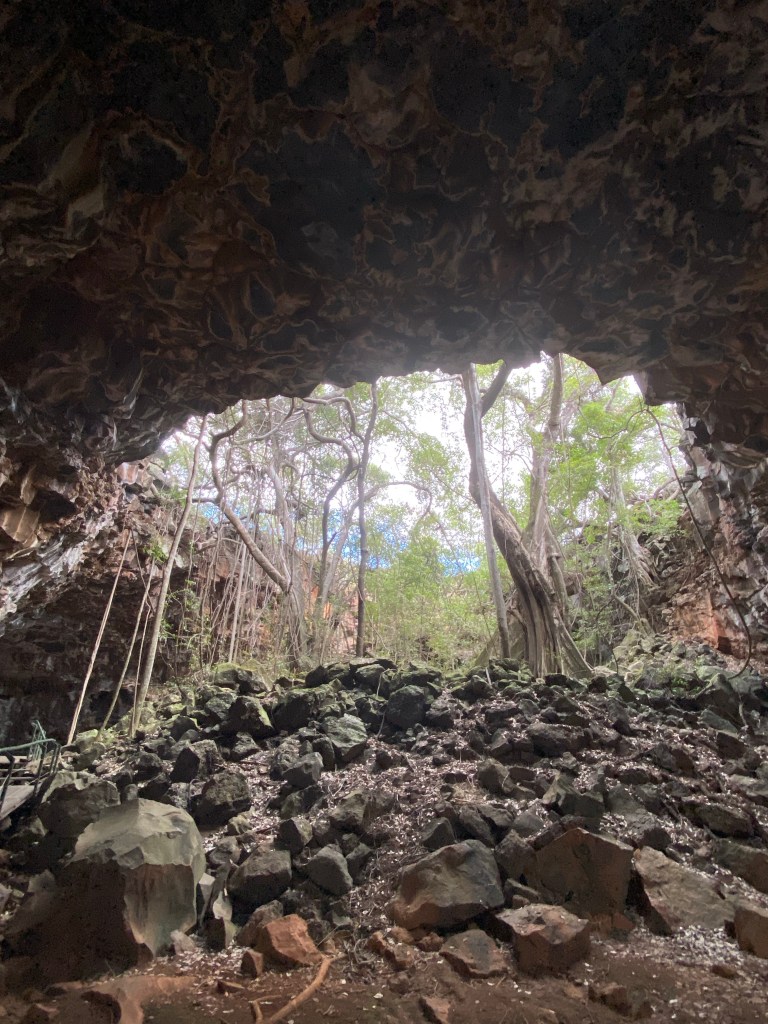
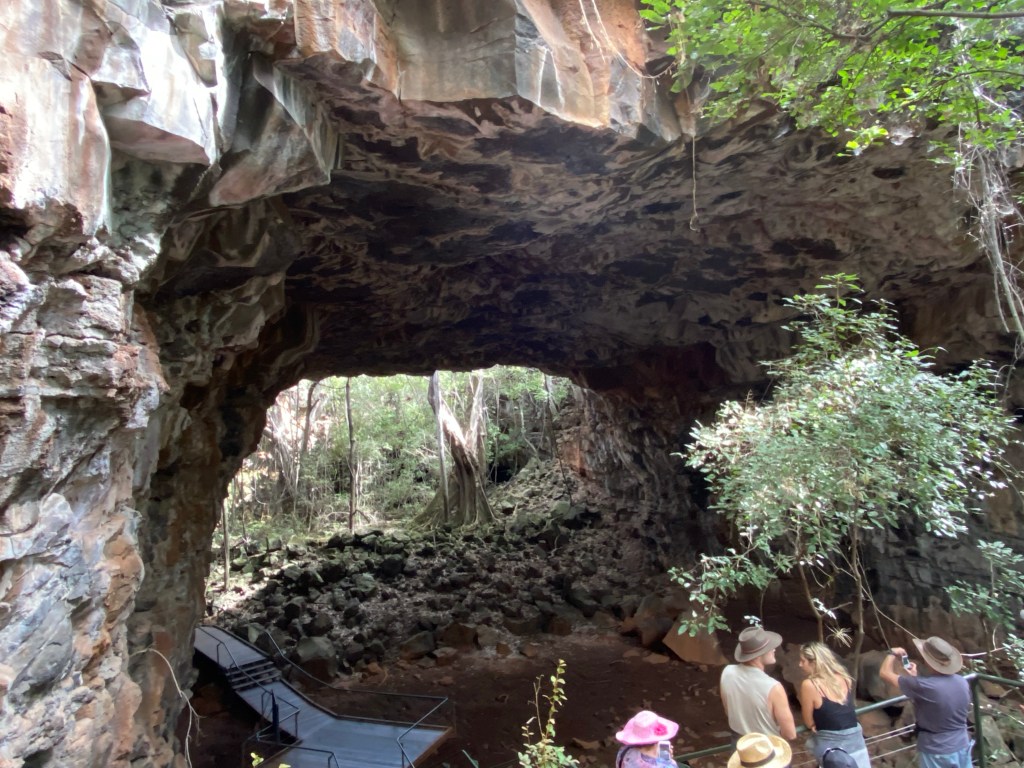
When we arrived at the Lava Tubes you could see a distinct change in the vegetation. It was green and lush. It is called the Semi-Evergreen vine thicket.
How do they form?
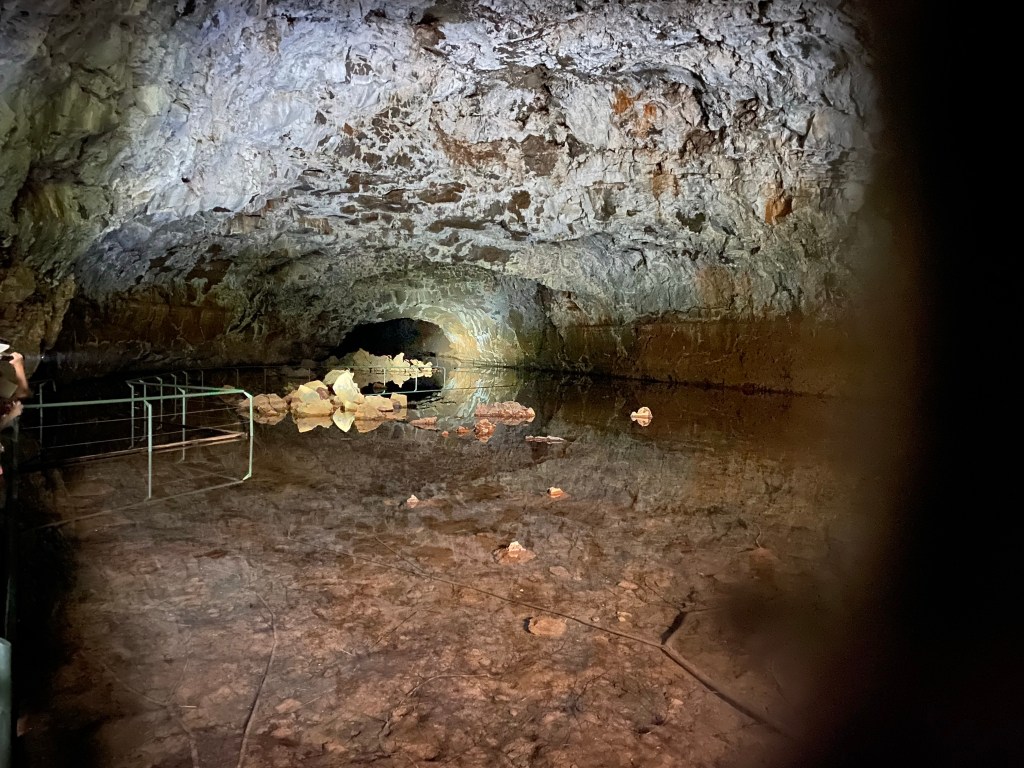
The lava tubes are formed by running lava from a actively flowing volcano. It is seen in volcanic areas where the rate of flow is slower and where some parts have time to cool. As the lava adds layer upon layer over multiple eruptions there comes a point where lava on the top starts to cool and solidify. This solidified lava then creates the perfect environment for the lava below it to be well insulated and unable to cool, it continues the flow.
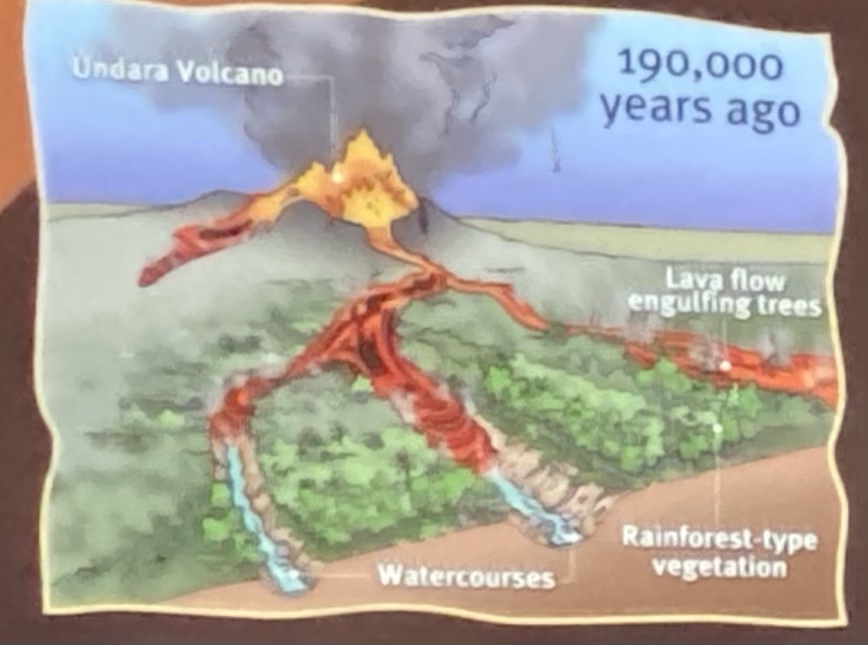
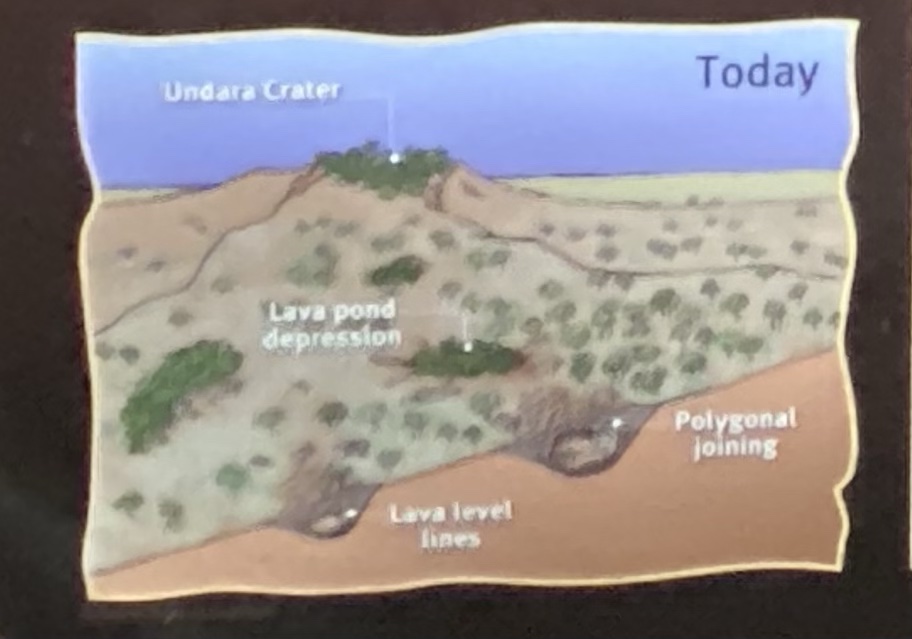
This particular volcano has had 5 know eruptions and is currently dormant. It took around 10 years for the lava to cool completely after the volcano ceased to spill. By this time the hot lava had seeped out from under the solidified lava, leaving a hollow tube.
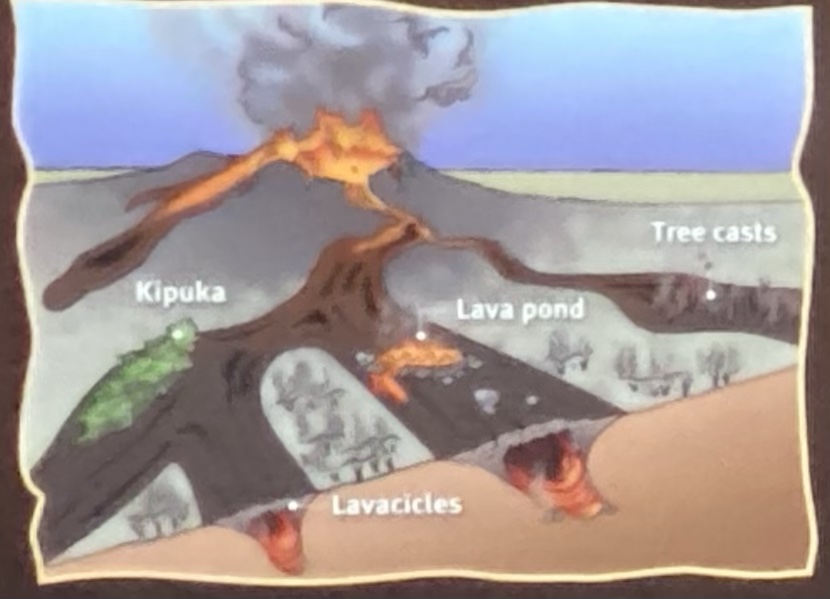
The tube is usually underground and the only way we know they exist are due to the Semi-Evergreen vine thicket that are found in the lava ponds.
It was a fabulous tour and the sights were incredible.
Tomorrow
We are heading west toward Karumba with a one night stop over at Croydon.

 morrisblog.travel.blog