
Tuesday 9th February 2021
Today we awoke to a beautiful day around 645. Another rough night with Maddie. Had breakfast and prepared lunch for our trip to Mount Tamborine.
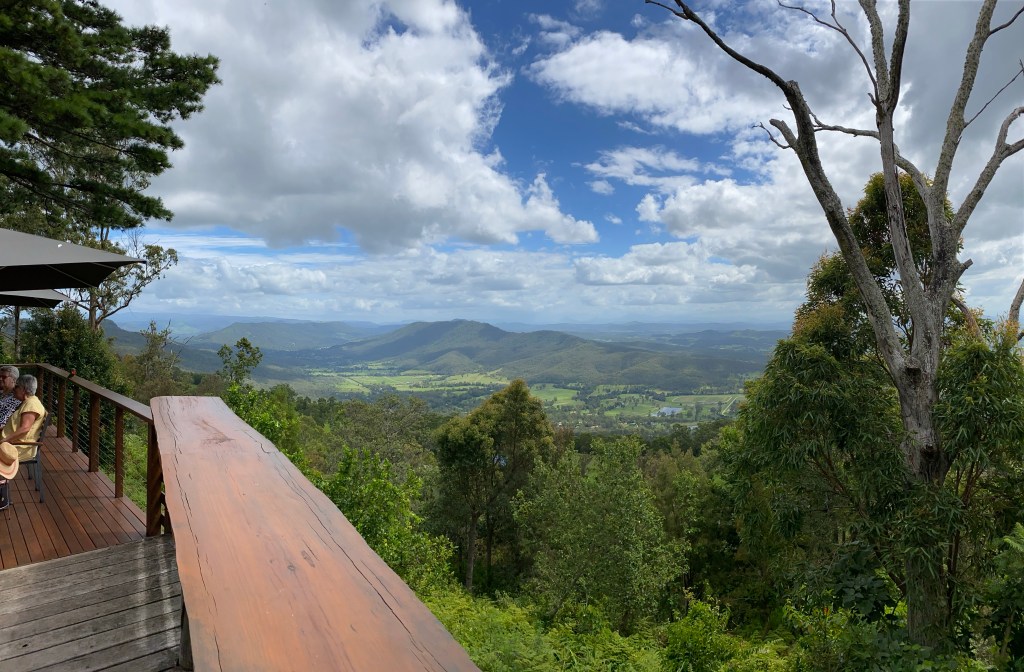
Unfortunately the most direct route up the mountain has been closed due to a landslide just prior to Christmas 2020, so we took the scenic road up the mountain.
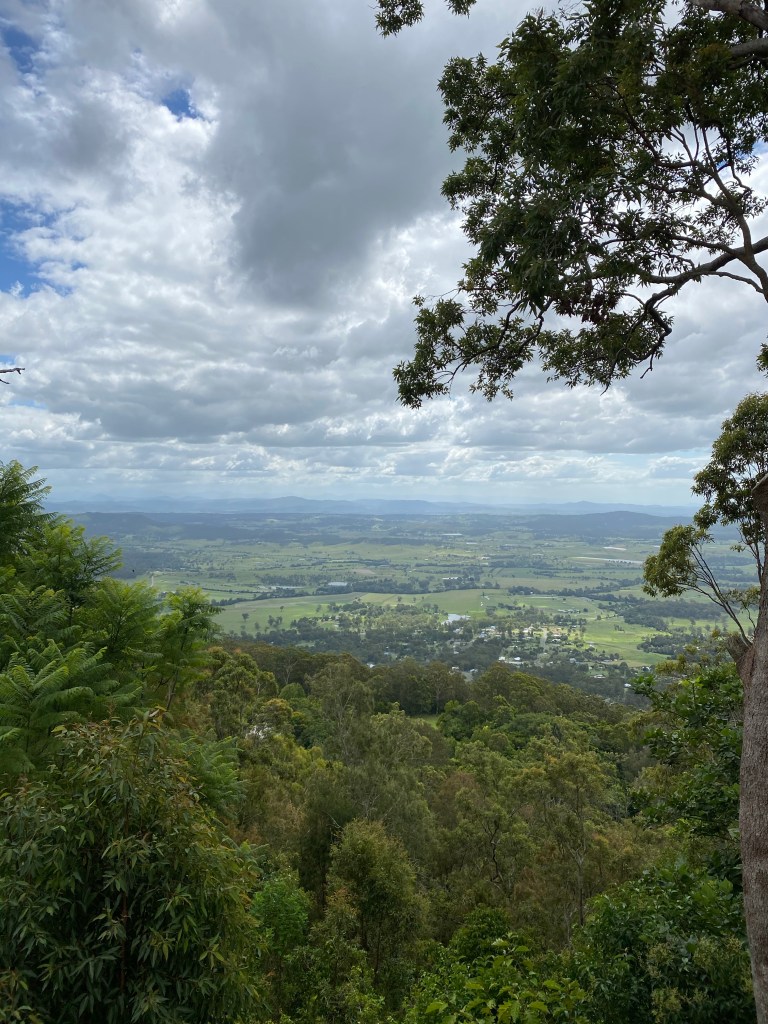
Gallery Walk
There is one road in Mt Tamborine that is well known as the tourist shopping district.
German Cuckoo Clocks
We first stopped at the Cuckoo clock shop. We bought Madeline her first Bubushka. I have fond memories playing with mine as a child.
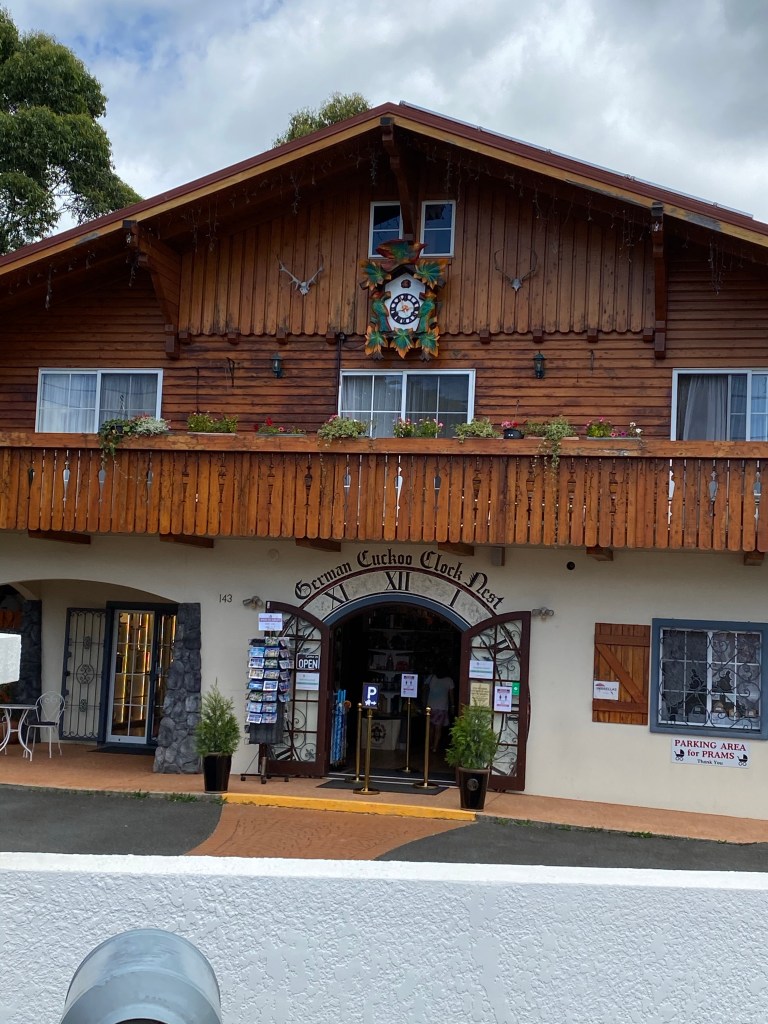
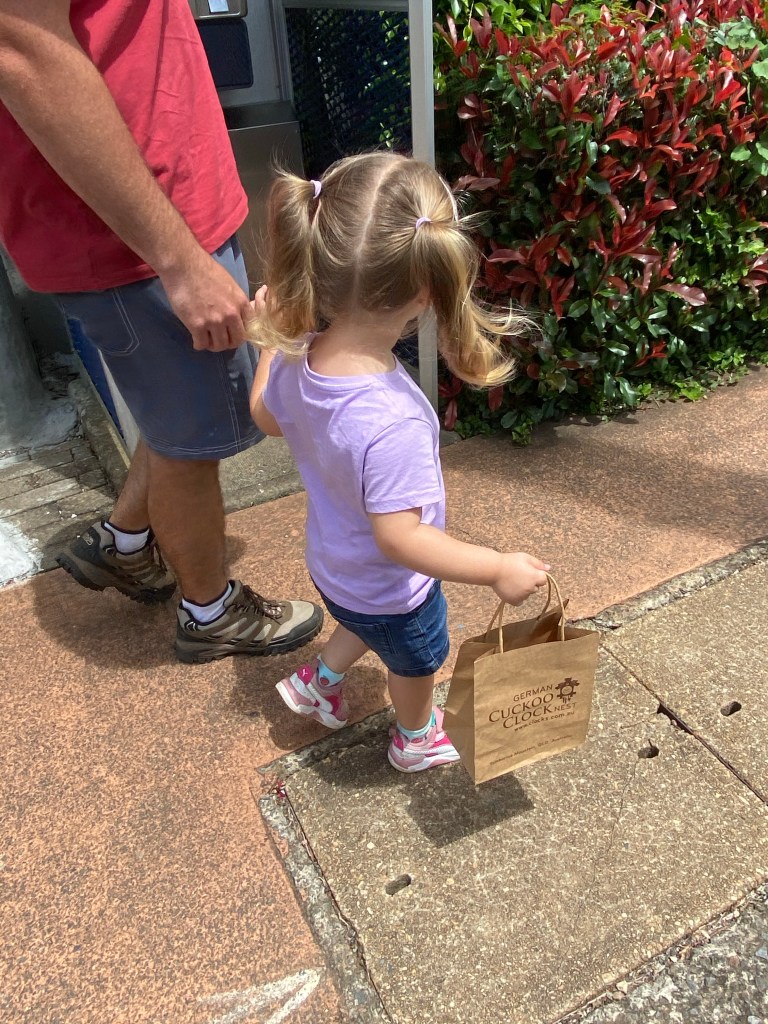
We also visited the fudge place, many lovely boutiques and some distilleries.
Mt Tamborine Botanical Gardens
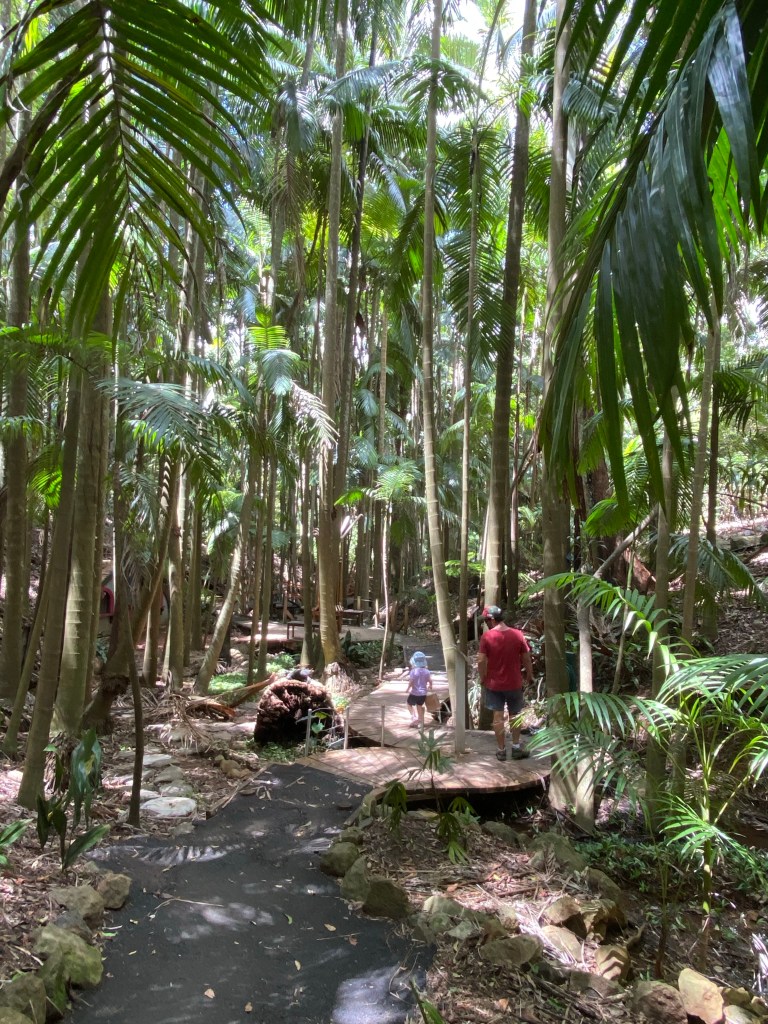
For lunch we drove to the botanical gardens. They were established in 1983.
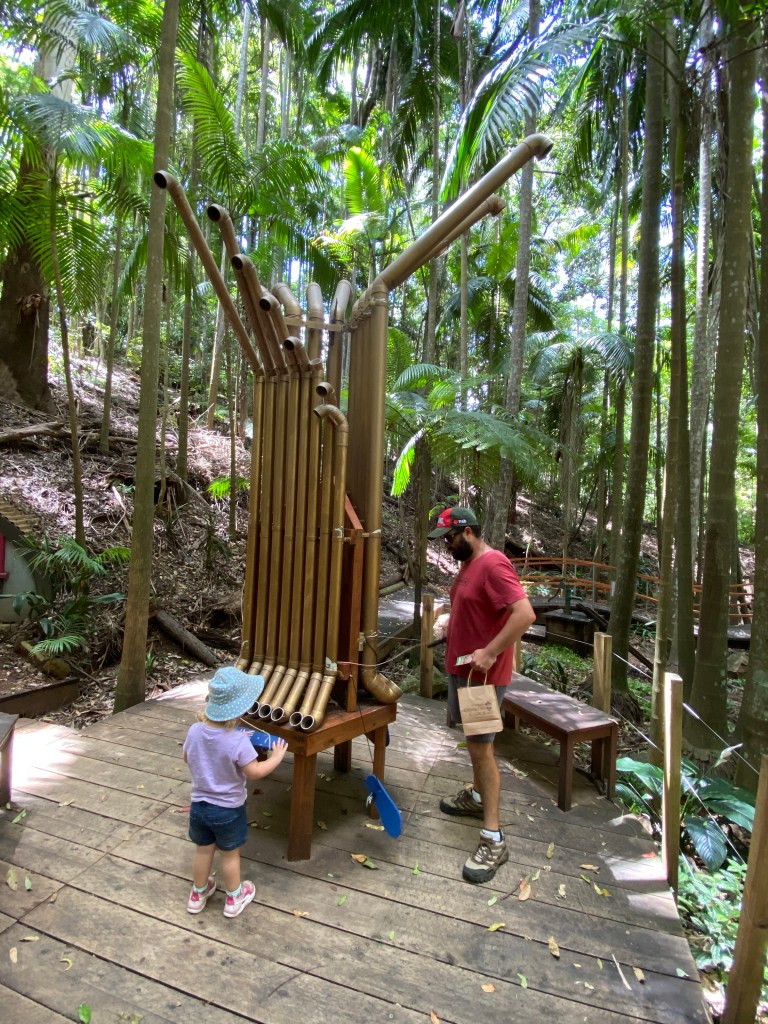
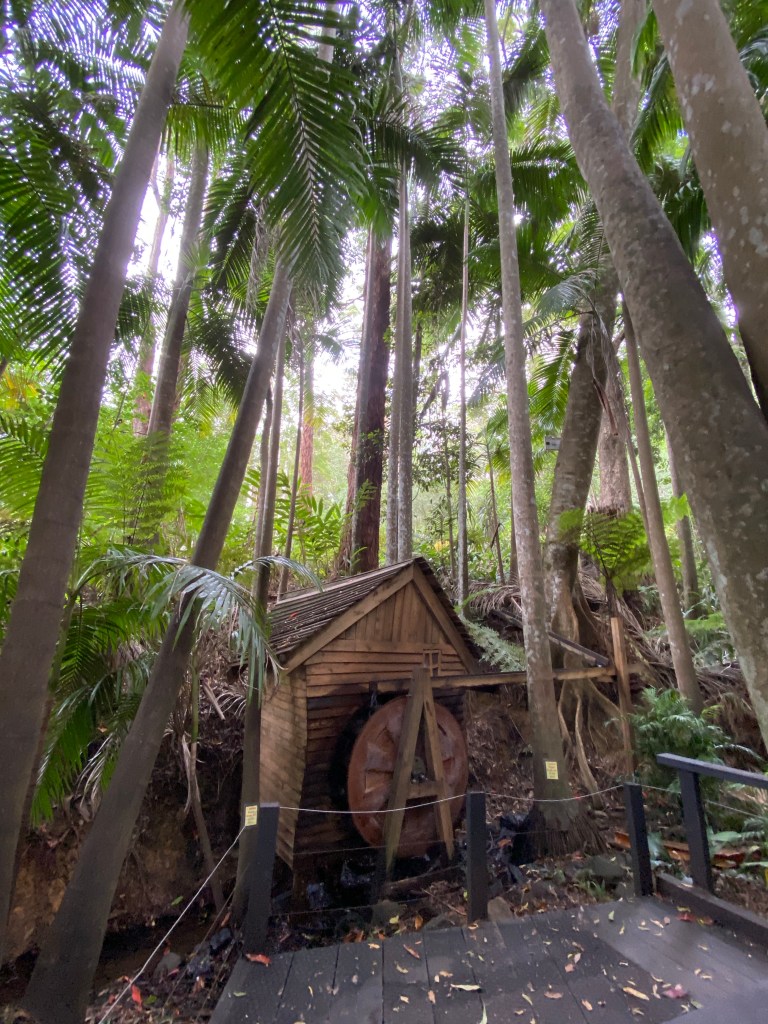
It was a beautiful place to visit and very child friendly. Madeline played the thong organ, walked along Ollie The Owls trail, hand pumped water and watch the waterwheel.
The Polish Place
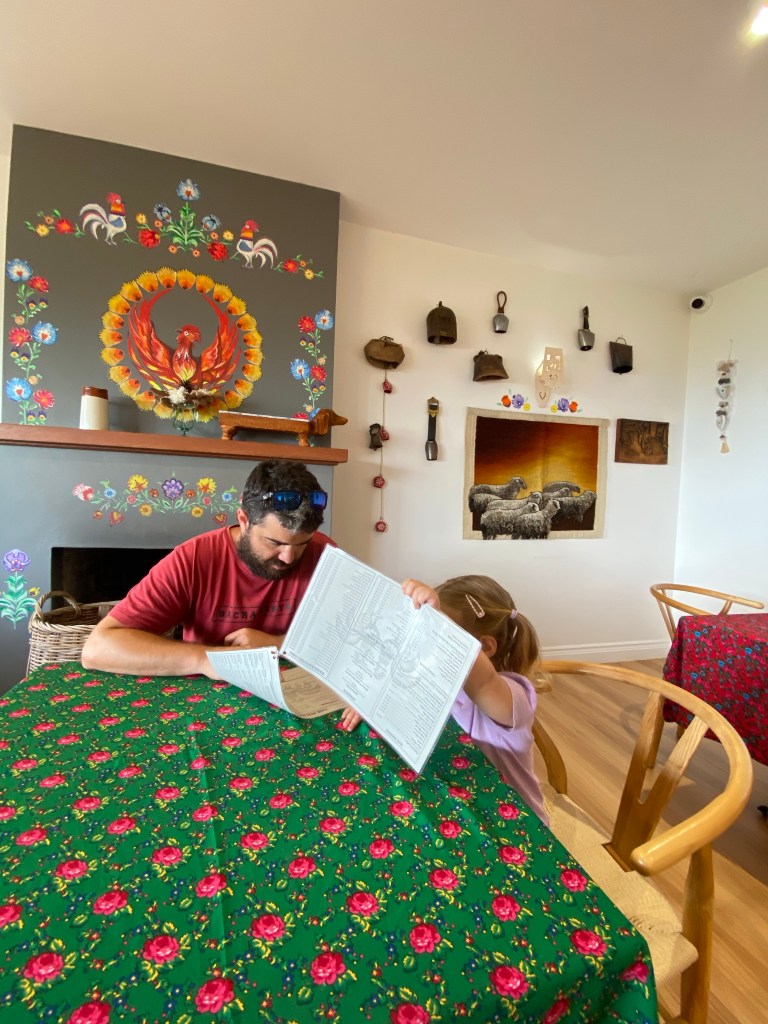
For afternoon tea we visited the Polish place. An establishment with chalet accommodation, restaurant and gallery, dedicated to Poland and Polish heritage.
Glow Worm Tunnel
We visited the glow worm tunnel in the afternoon. It is a man-made tunnel that has been artificially designed to breed glow worms as part of a conservation effort.
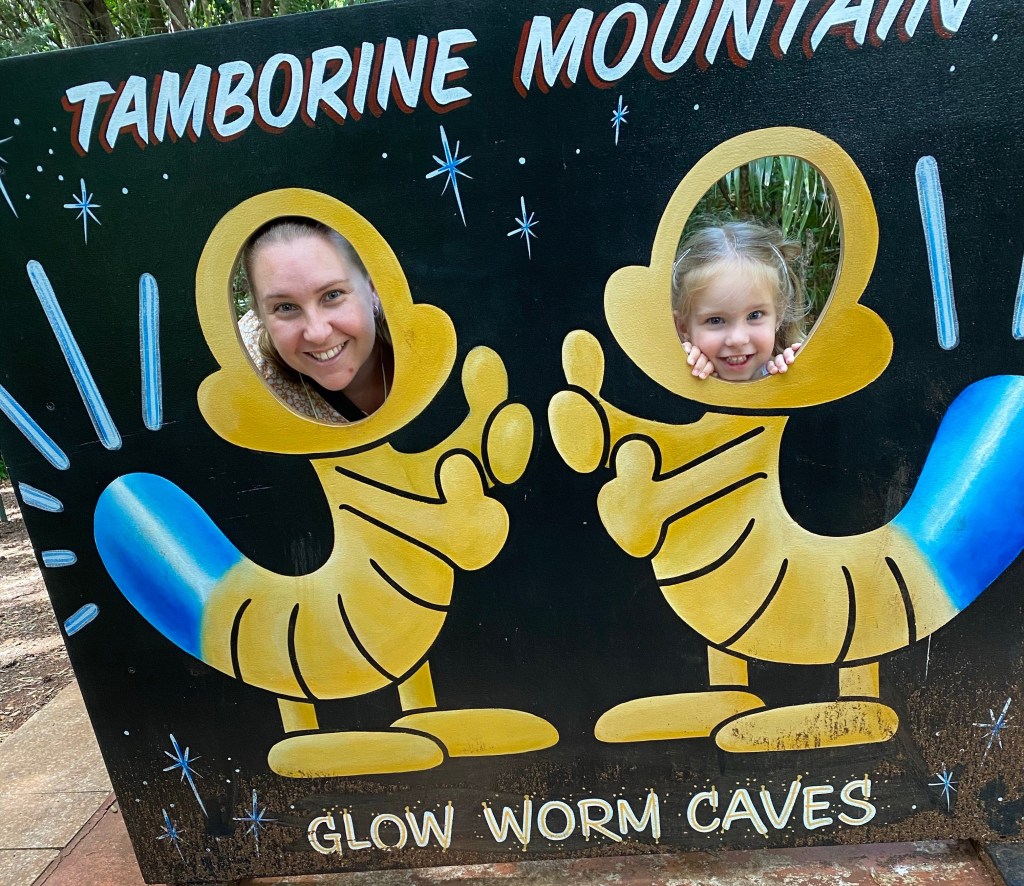
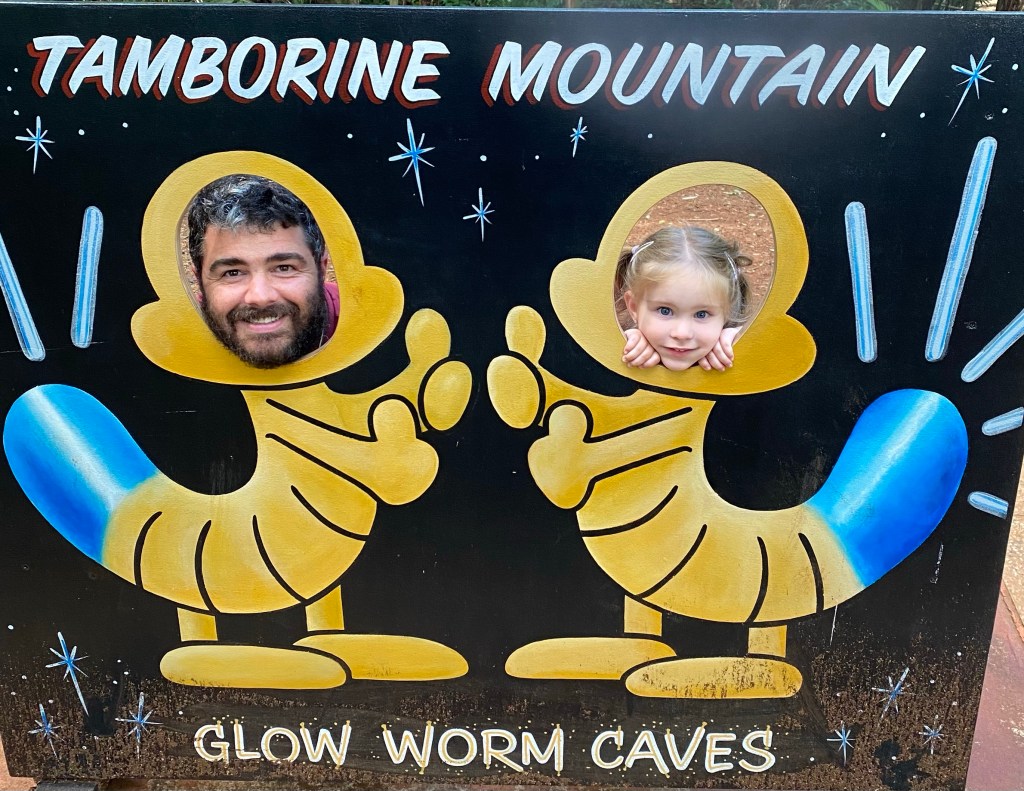
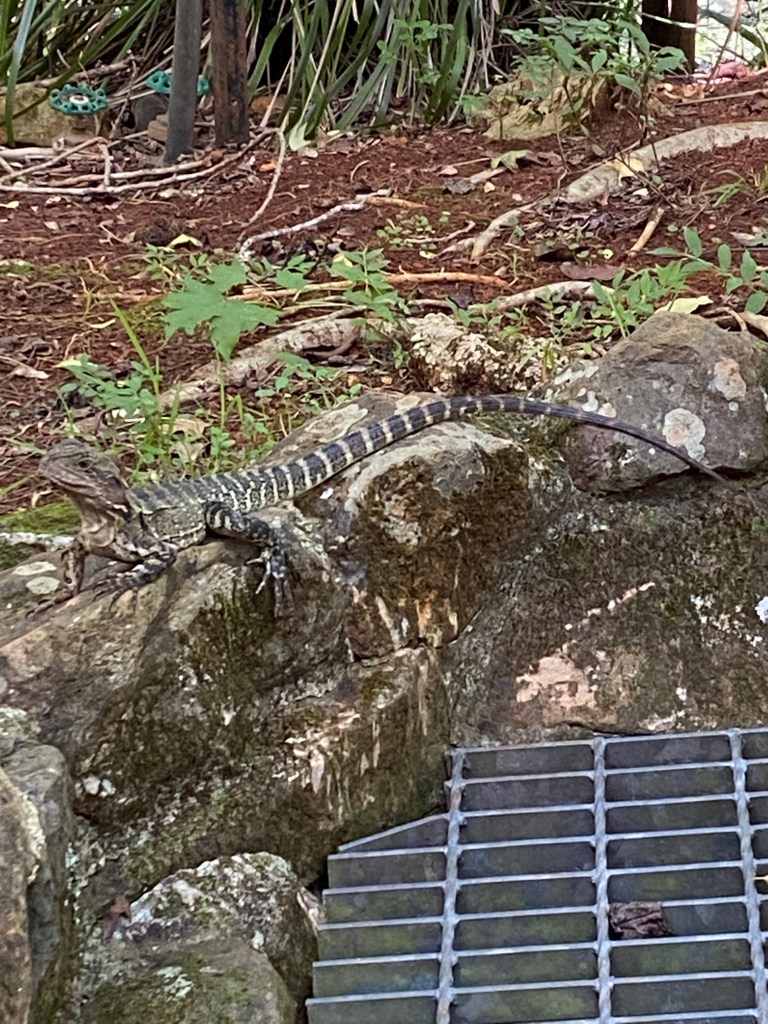
We visited frogs hollow first and got to watch some tree frogs in action. We also spotted over 10 water dragons at the park.
We were guided into the glow worm tunnel by a guide. To view and learn more about these unusual creatures.
Glow worms
They are not actually worms, but the larvae of a fly, the fungus gnat. They enjoy wet and humid environments.
They stay in the larvae phase for 9 months before maturing into a gnat, at which time they mate, lay eggs and perish within 2-3 days.
They eat by catching small insects in their sticky silk threads.
Tamborine Mountain – History
The Yugambeh language is the origin of the name Tamborine, which means wild lime and refers to the finger lime trees that grow on the mountain.
In 1875 the first of several farm selections was taken up; the hilly terrain was considered inferior to the coastal flats, but it had excellent timber and deep soils. By 1886 most of the plateau was under selection, although not necessarily occupation.
In 1898 a Brisbane family, the Geissmanns (Swiss and German) built Capo di Monte, serving as a residence and guest house. They succeeded in having a school opened in 1900 and a store was added to their guest house in 1909.
Tomorrow
Tomorrow we head off to Eumundi for a night stop over. We are planning to stop in at the big pineapple on the way through.

 morrisblog.travel.blog