Tuesday 25th May 2021
We had a good night sleep with Madeline in her bed last night. We woke up at 640am.
We were mainly packed up, but needed to pick up Babcia and Dziadzio from their accommodation.
After getting Babcia and Dziadzio, we finished hooking up the van and hit the road around 930am.
We drove north towards Port Douglas. A lot of the Captain Cook Highway was one side beach and the other side Rainforest. It was a lovely drive, albeit a little windy.
We arrived at our accommodation in Port Douglas around 1040am.
After checking in, parking and unpacking the van, we had lunch together in the van.
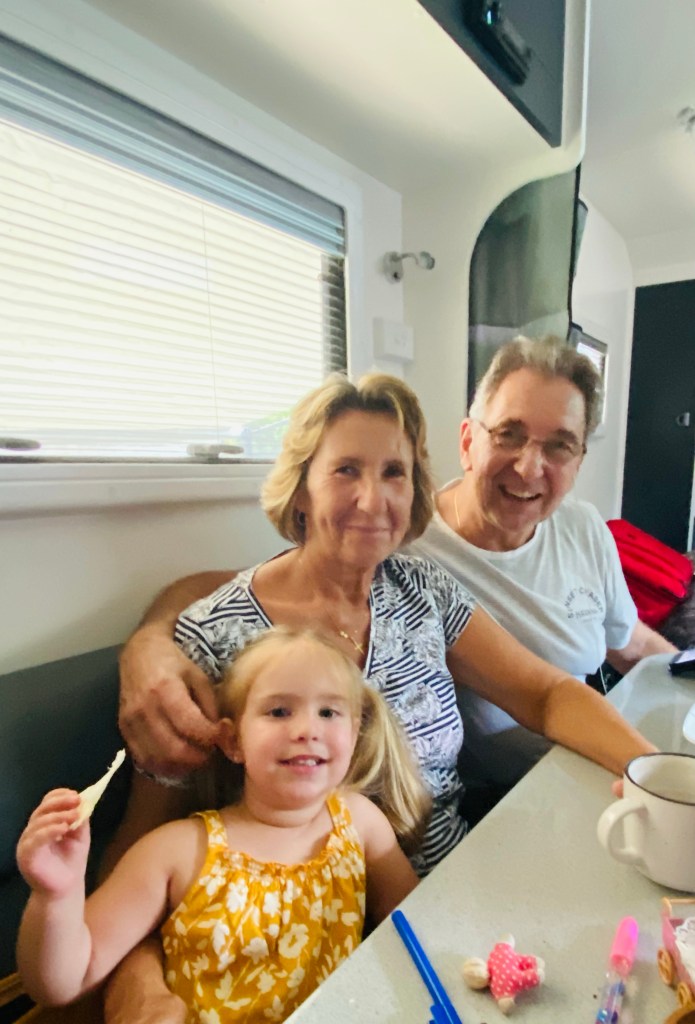
After lunch Babcia and Dziadzio checked into their cabin.
We then made our way into town to do our weekly shop.
After shopping we returned to our seperate accommodation for a little bit of R&R.
We then went for a walk to Four Mile beach.
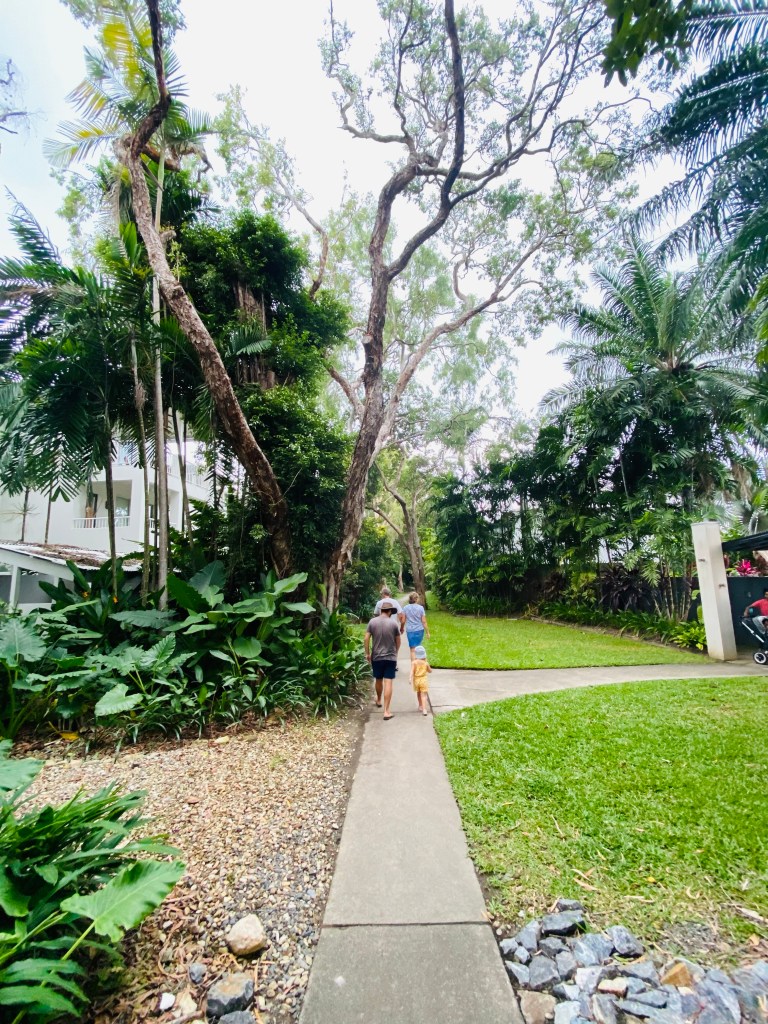
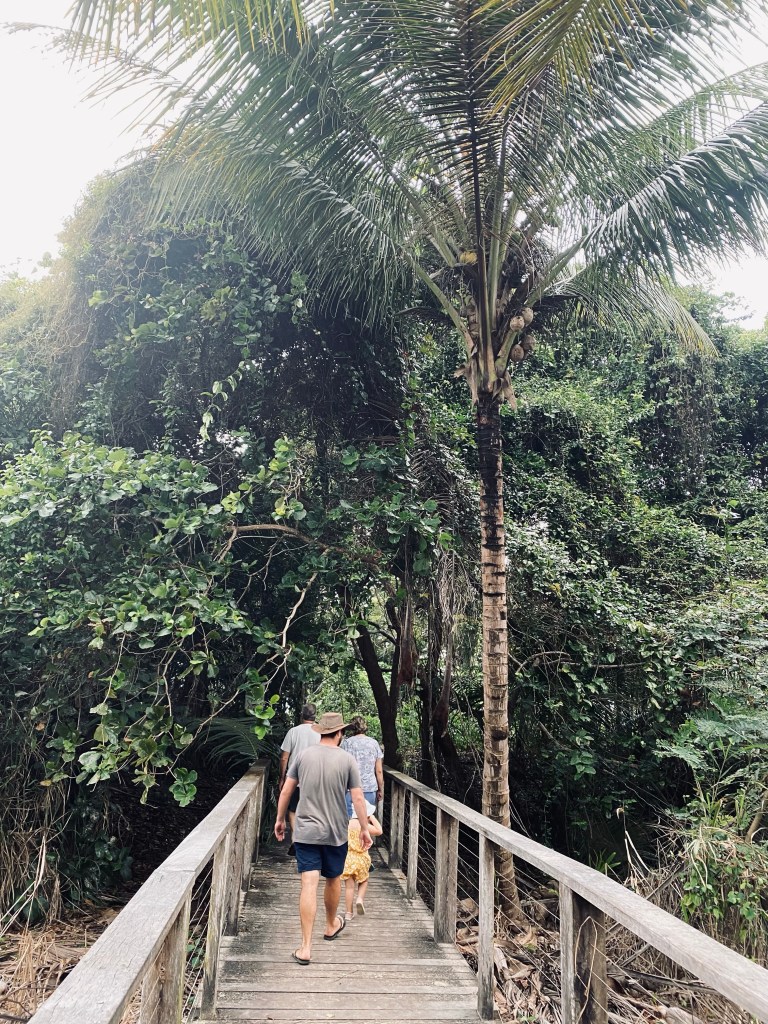
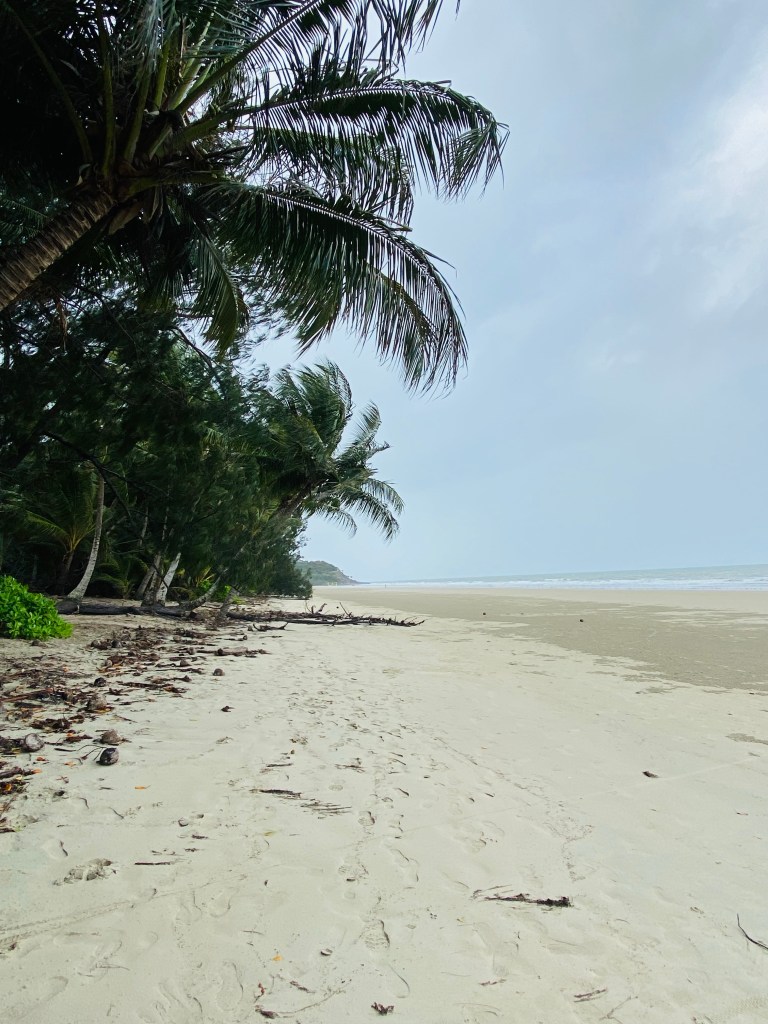
At the beach we collected some coconuts and returned to our accommodation to crack them open.
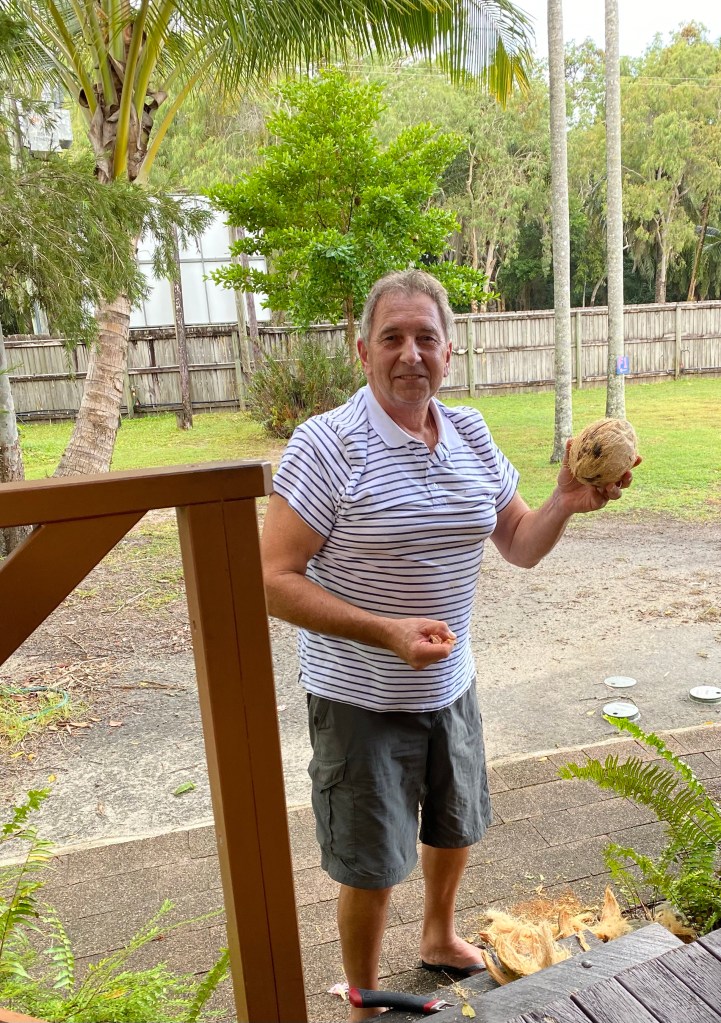
We cooked dinner together and retired to our seperate accommodation for sleep.
Port Douglas
Port Douglas is located 1,750 km north of Brisbane and 68 km north of Cairns.
Port Douglas was once a wild frontier town filled with itinerant seamen and gold prospectors. Very little of that wild frontier town is left.
The village of Port Douglas is now a major tourist resort centre.
What’s in a name?
Throughout its history Port Douglas has been known as Island Point, Terrigal, Port Owen and Salisbury.
It became Port Douglas in October, 1877 when it was named after John Douglas, the Queensland Premier from 1877-1879.
History
Prior to the arrival of Europeans the area was home to the Kuku-yinanji Aboriginal people.
Port Douglas was established in 1877 when Christie Palmerston cut a road through the rainforest and down the mountain range to the coast. Palmerston’s track was known affectionately as ‘The Bump’.
By the end of 1877 a wharf and stores had been built. That year saw the township named and surveyed. Within weeks of its establishment the town was booming. There were an estimated 50 tent pubs, a bakery, a general store and rough accommodation. People poured in on their way to the diggings.
By mid-1878 there were 21 permanent hotels and a local newspaper, defined lots of land were for sale, and the mail was being delivered from Port Douglas to Thornborough on the goldfields.
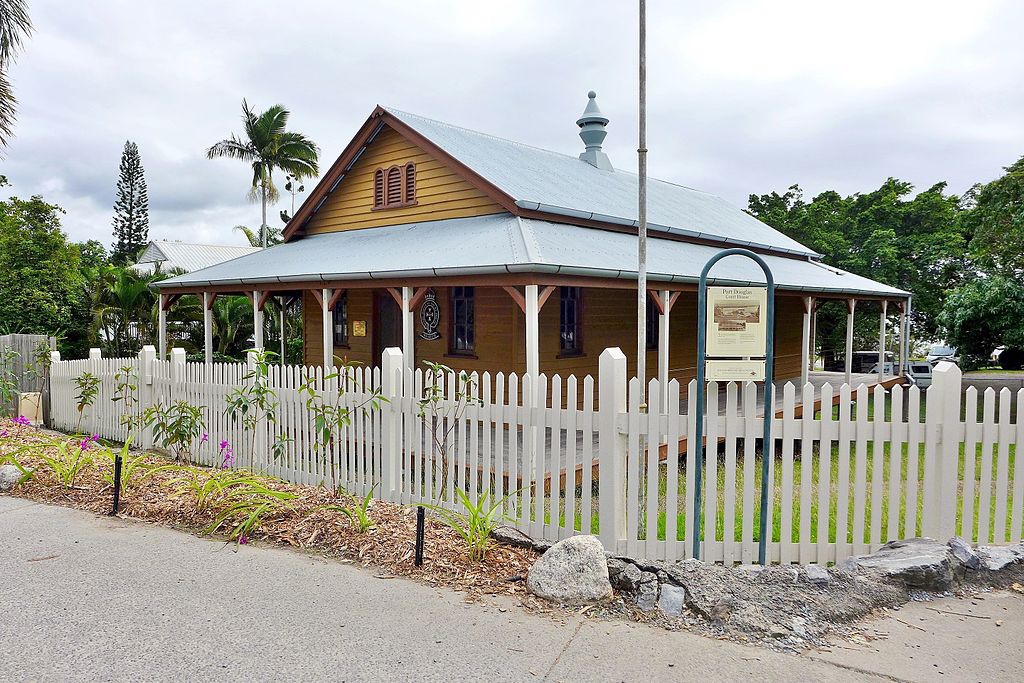
A Court House and a hospital were opened in 1879.
In 1880 tin from Herberton was being shipped out through the port. Early the following decade the town had a population of 8000 and had overtaken Cairns as the most important port on the north Queensland coast.
Port Douglas was decimated by a cyclone in 1911.
In the late-1980s, tourism boomed in the region after investor Christopher Skase financed the construction of the Sheraton Mirage Port Douglas Resort.
Heritage Listed Sites
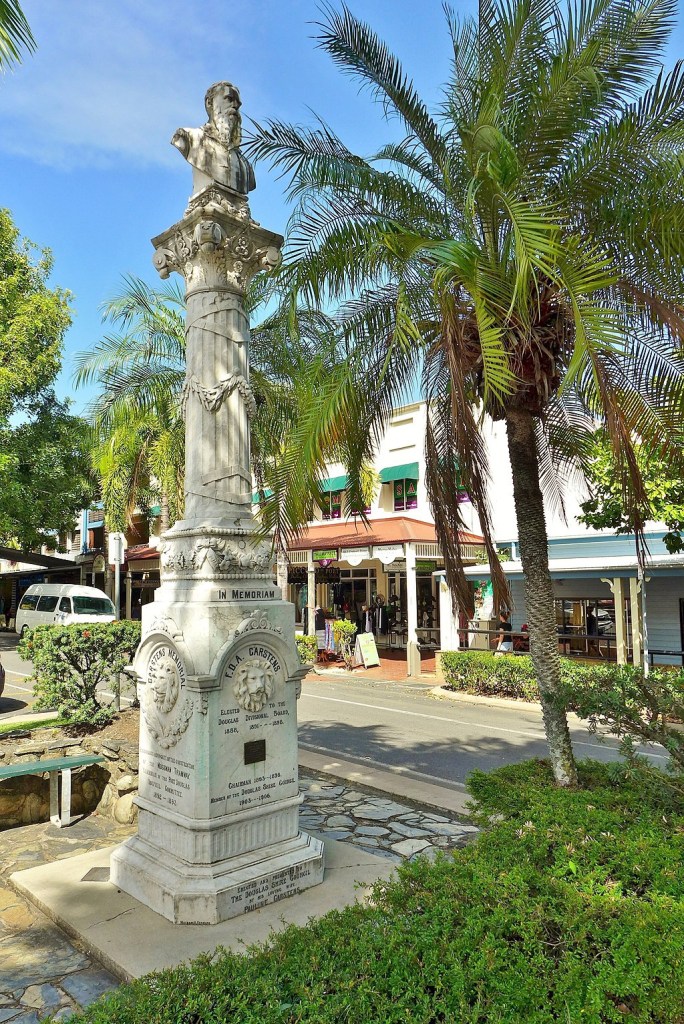
Macrossan Street: FDA Carstens Memorial. The memorial was erected c. 1907-08 to honour Friederich Detleip Andreas Carstens, a Port Douglas publican and former Douglas Divisional Board Chairman.
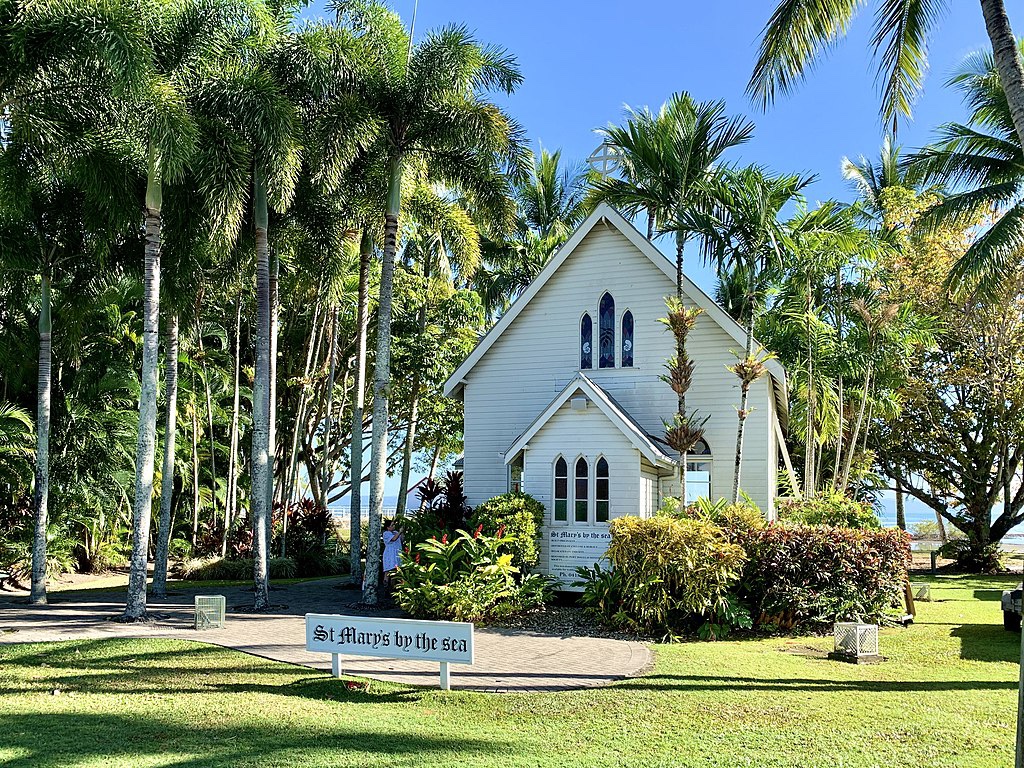
Wharf Street: St Mary’s by the Sea. In 1987 the Catholic Church gave the church building to the local community with the stipulation that it continue to be used for Christian purposes. The church was relocated to parkland on the foreshore in November 1988. The Port Hill site was sold by the Church to finance construction of a new church on land elsewhere. Once relocated, the former St Mary’s Church was restored and renamed St Mary’s by the Sea. It is used as a non-denominational community church for religious and civil weddings, carol services and other special services and events.
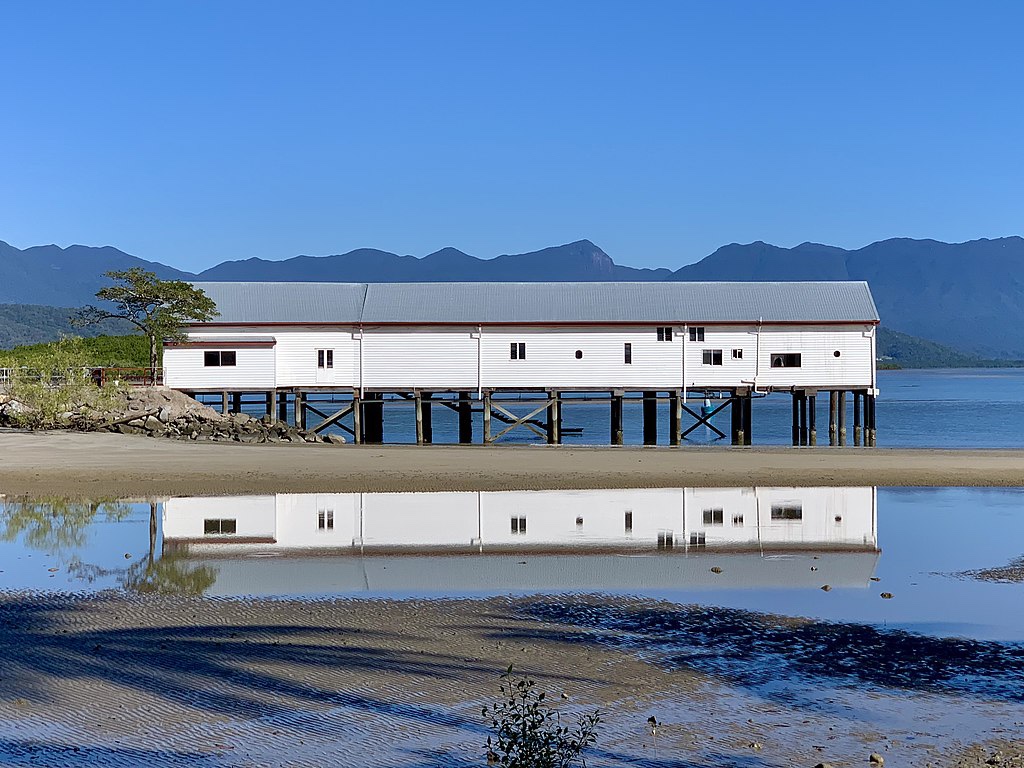
6 Dixie Street: Port Douglas Wharf
25 Wharf Street: Port Douglas Court House Museum
Tomorrow
We are exploring Port Douglas. Wanting to walk up Flagstaff Hill.

 morrisblog.travel.blog