
Monday 18th April 2022
Today we travelled to Wilpena Pound Resort for 2 nights. It was also Babcia and Dziadzio last 2 nights with us before they left for home.
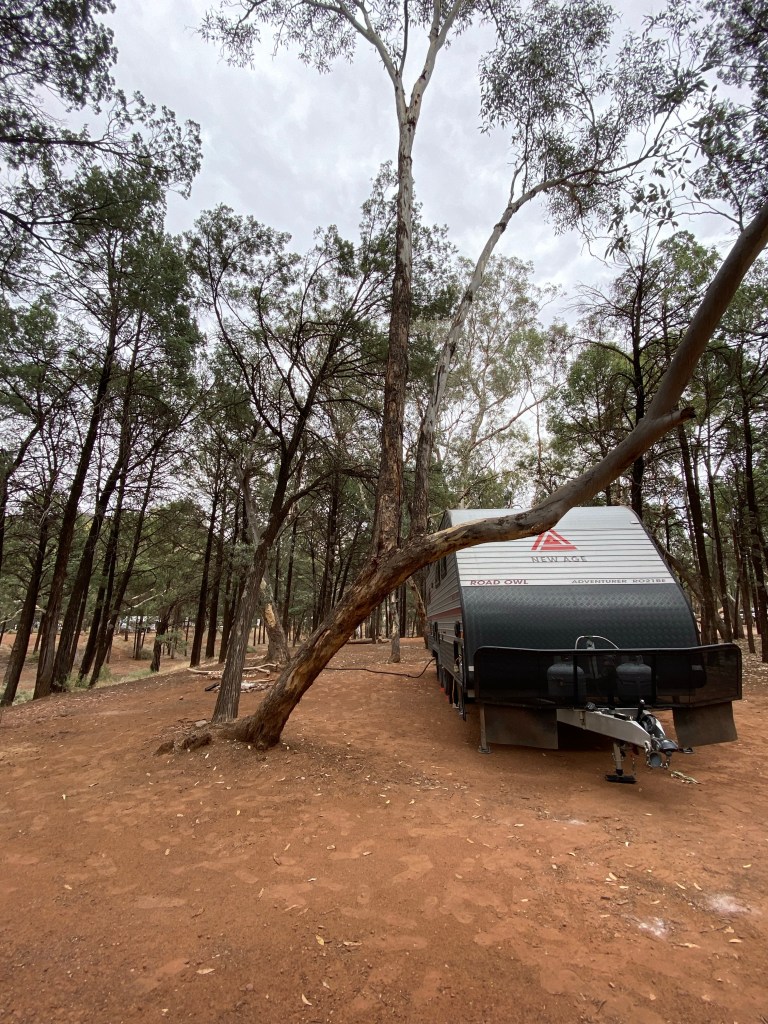
We arrived at Wilpena Pound, in the Flinders Ranges, around lunch time. We parked, set up and had lunch.
We had plans to visit Old Wilpena Pound Station in the afternoon.
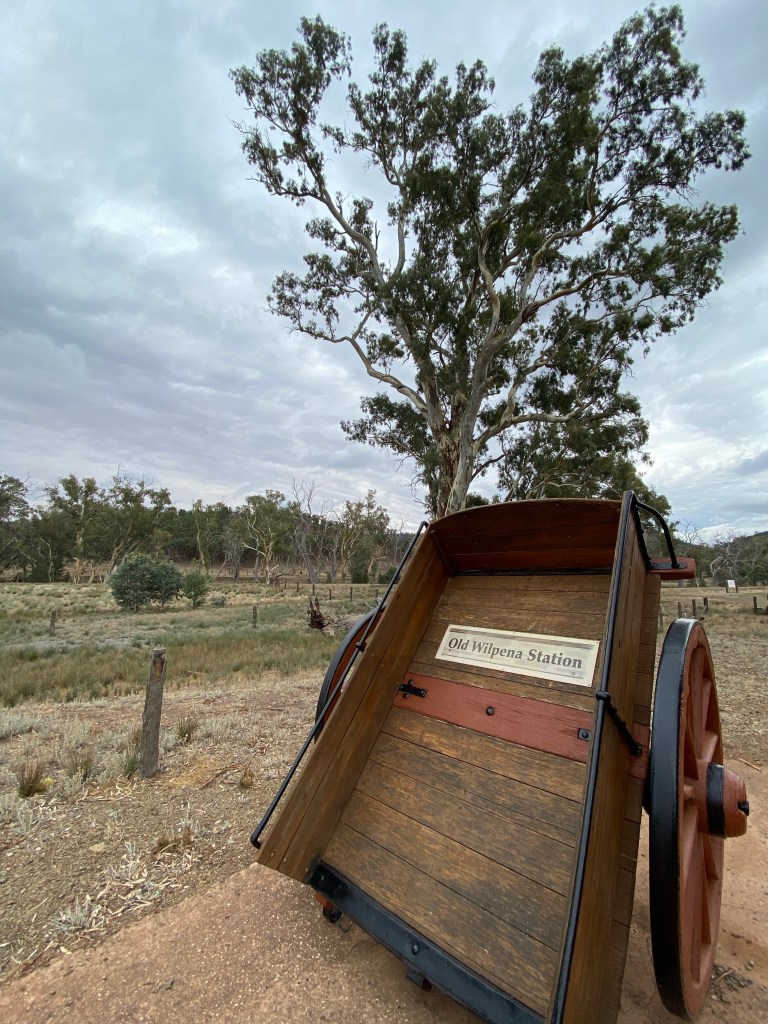
Old Wilpena Station
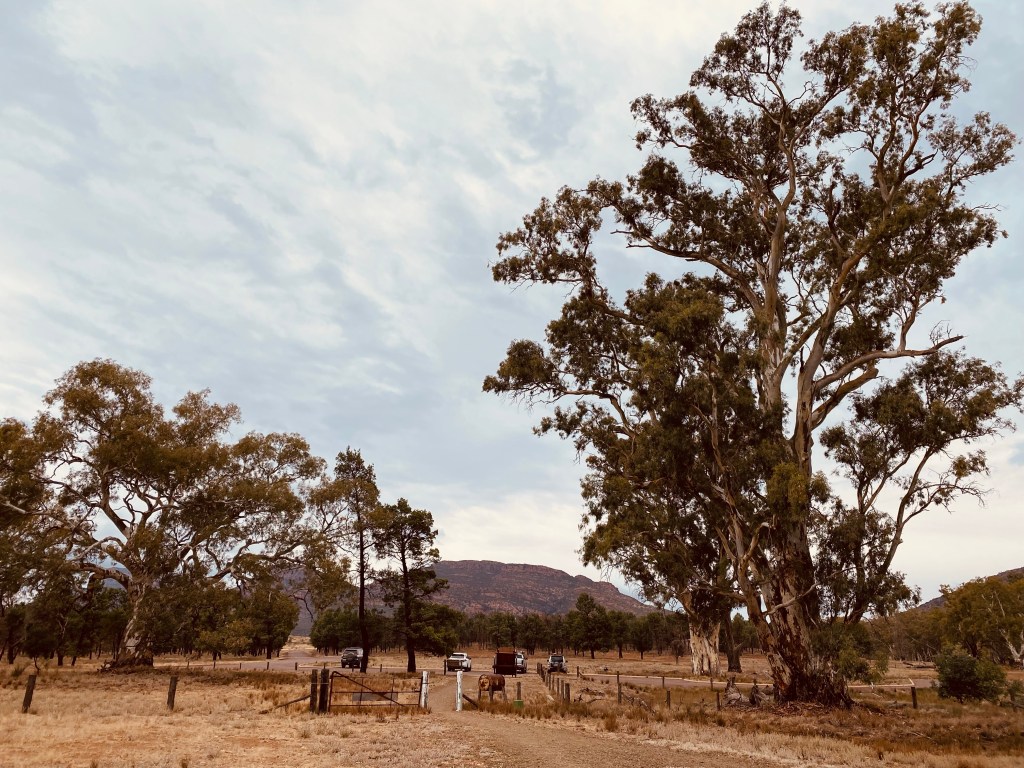
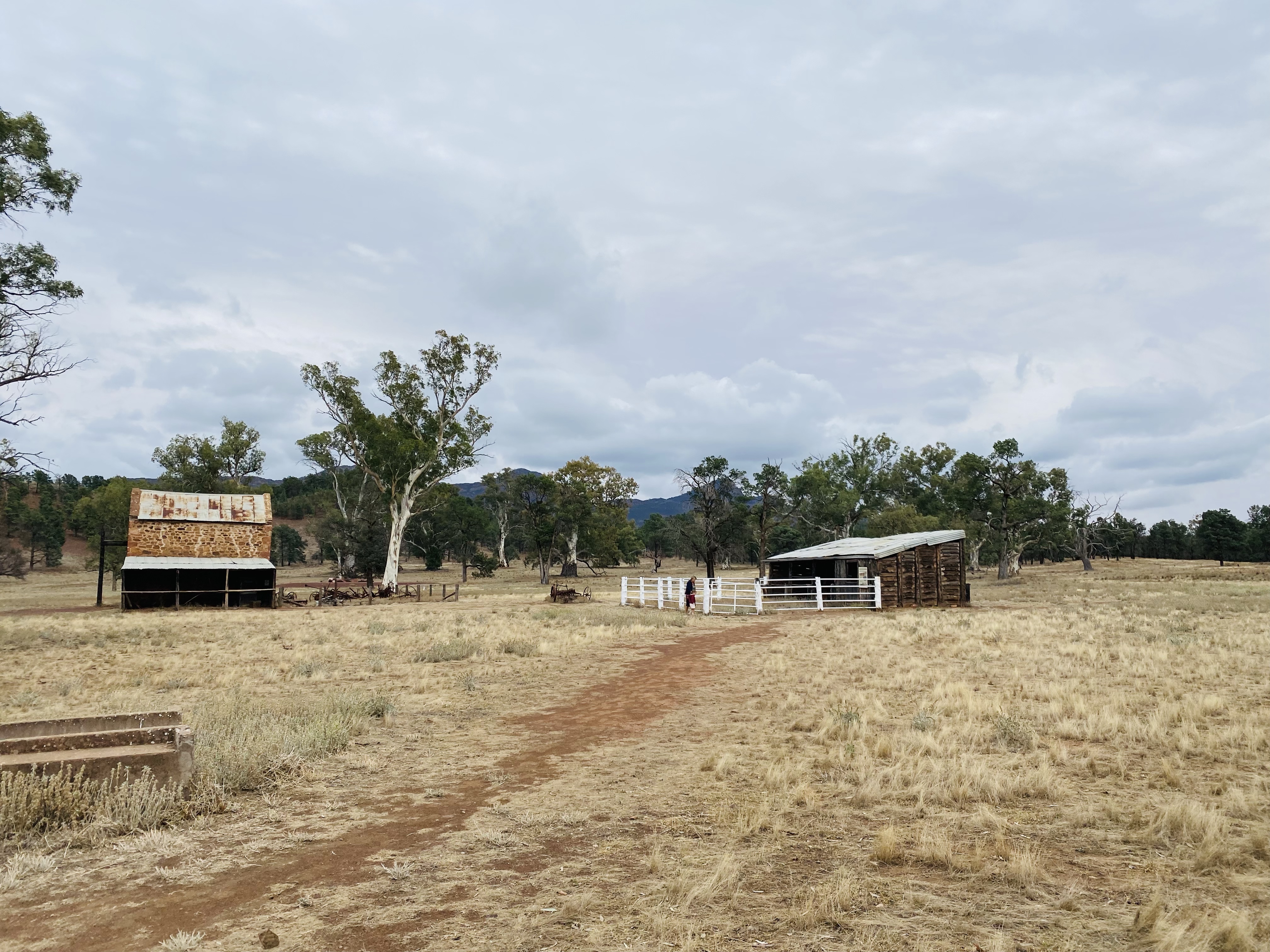
Old Wilpena Station is one of the most scenically spectacular pastoral settlements in South Australia. A working station for 135 years, Old Wilpena Station slipped into retirement in 1985.
The young colony of South Australia was hungry in 1837. Cattle and sheep were driven overland from New South Wales and Victoria, to put meat on the colony’s tables. Wealthy entrepreneurs established pastoral runs on South Australia’s “Wastelands of the Crown” from the late 1840s.
The runs later became known as stations. In 1851 English doctors William and John Browne financed the Wilpena, Arkaba and Aroona Runs. They rewarded young energetic managers with half-share interests in the runs they managed.
The Browne brothers‘ investments yielded good returns. They purchased property all over South Australia. In one year, they were the colony’s biggest exporters of wool to Britain.
Scottish and Irish immigrants provided labour on the early runs. Married couples proved more reliable than single men. Cooks, blacksmiths and storekeepers lived and worked on the head stations. Shepherds, stockmen, wood cutters and hut builders ranged across the vast properties. Teamsters carried produce and stores between the runs and trading centres.
Fortunes were made and lost on the early pastoral runs of the Flinders Ranges. The industry was troubled by high cartage costs, a shortage of labour, recurrent droughts, conflict with Aborigines, lack of fencing materials, stock losses to Dingoes and a dramatic loss of land condition from overstocking.
The Great Drought of 1864 – 66 brought the infant pastoral industry to its knees, forcing many lessees to abandon their runs.
After the Great Drought, an inquiry into the effects of drought on the Northern Pastoral Runs was commissioned. Minimum stocking rates were re-evaluated and levies reduced. Pastoral leases were increased from 14 to 21 years. For the first time, pastoralists were provided with incentives to carry out improvements and manage stock more sustainably. When wire arrived on the runs in the 1870’s, pastoralists began to erect internal fences. They could then divide their flocks and herds, rest paddocks and better manage their springs and bores.
Book Keepers Hut
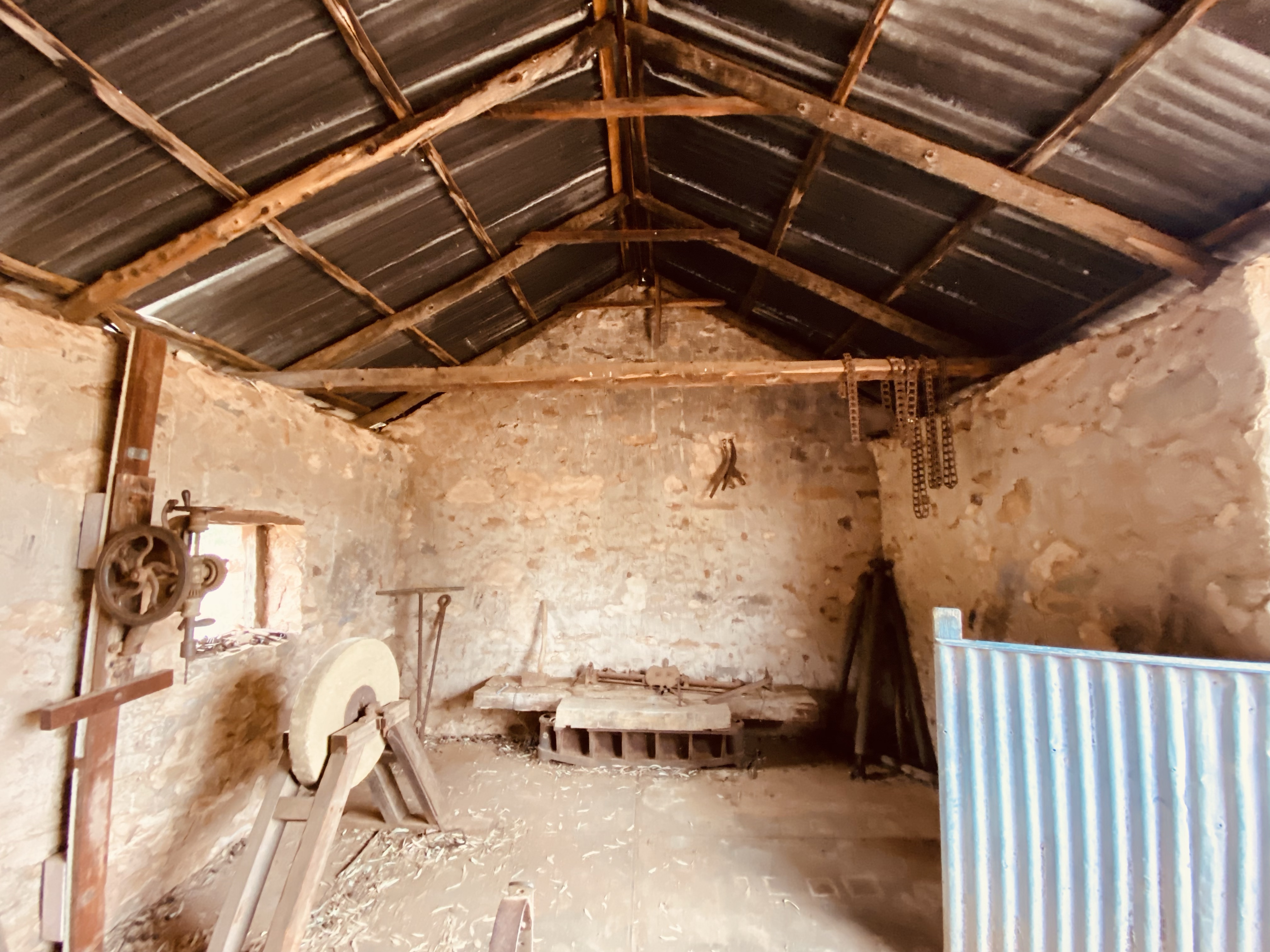
An original pug and pine cottage, dating from the earliest years of the Wilpena Run (1850). It is still intact, although some stabilisation has been done to the building over the years. A buggy shed is attached on the northern side.
Valued at £35 11s 8d ($71) in 1888, the Bookkeeper’s Hut was then a Bachelors Hall kitchen serving the adjacent Bachelors Hall.
It later became the paymaster’s office, the Station office, and the mail contractor’s sleeping quarters.
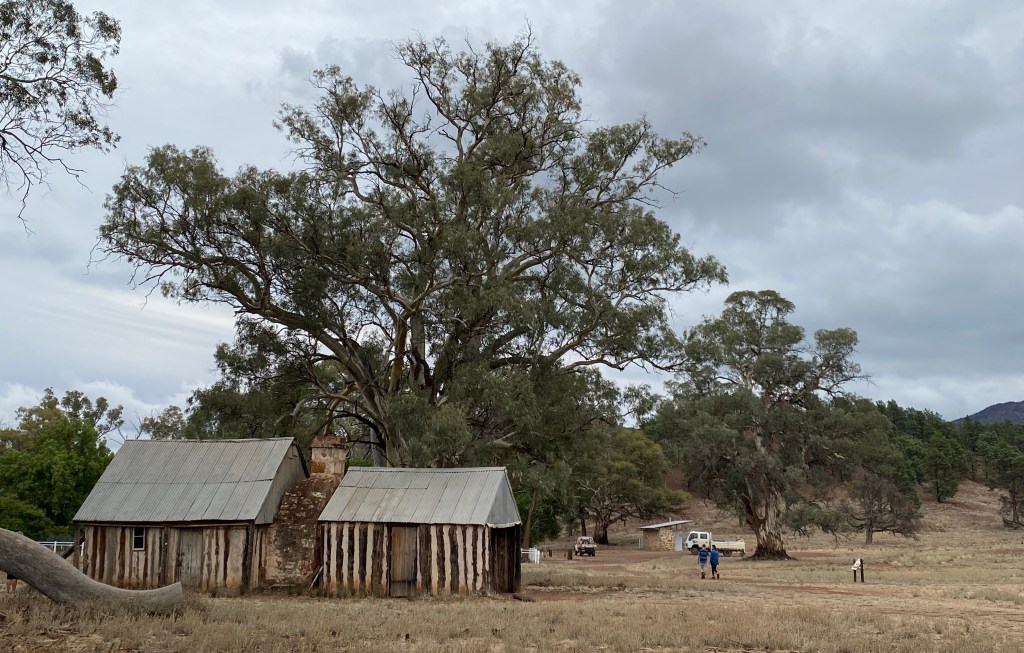
Blacksmiths Cottage
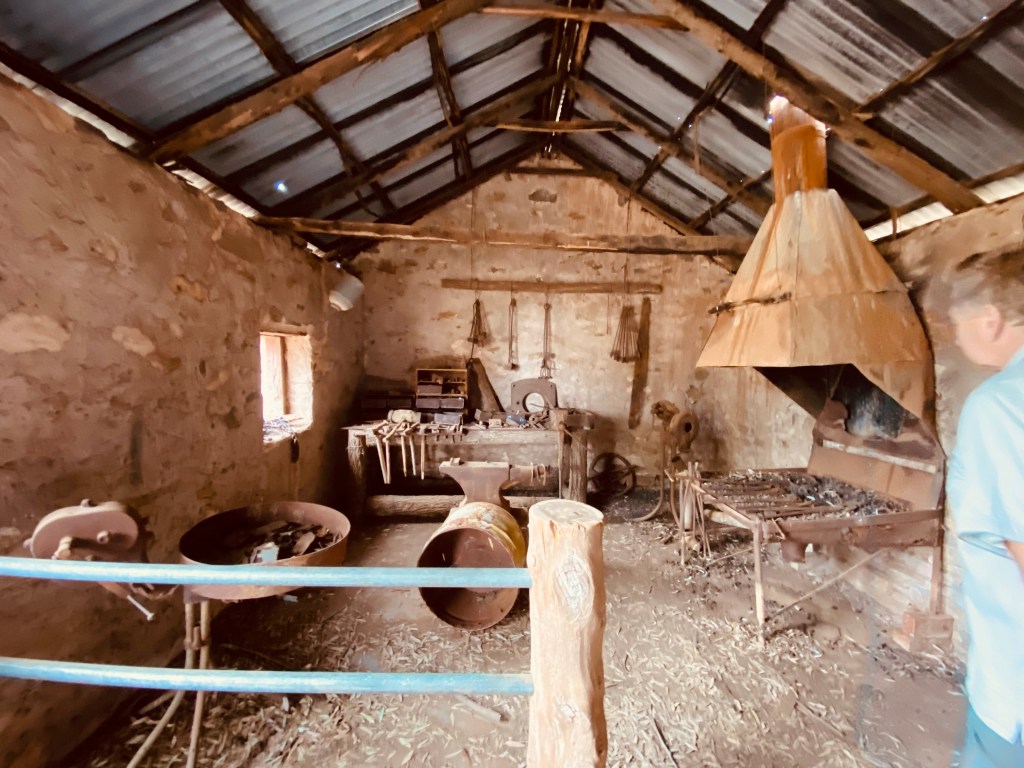
This was the Blacksmith’s pug-and-pine cottage built in 1864, later to become the farm labourer’s quarters. It has since been cement rendered (c.1920) to ensure its survival.
The Blacksmith’s Cottage was listed as Bedroom 3 in 1888, when it was valued at £28 15s 2d ($57). It has been variously known as Hut No 1, the Fencers Hut, the Bath House and the Honey Hut.
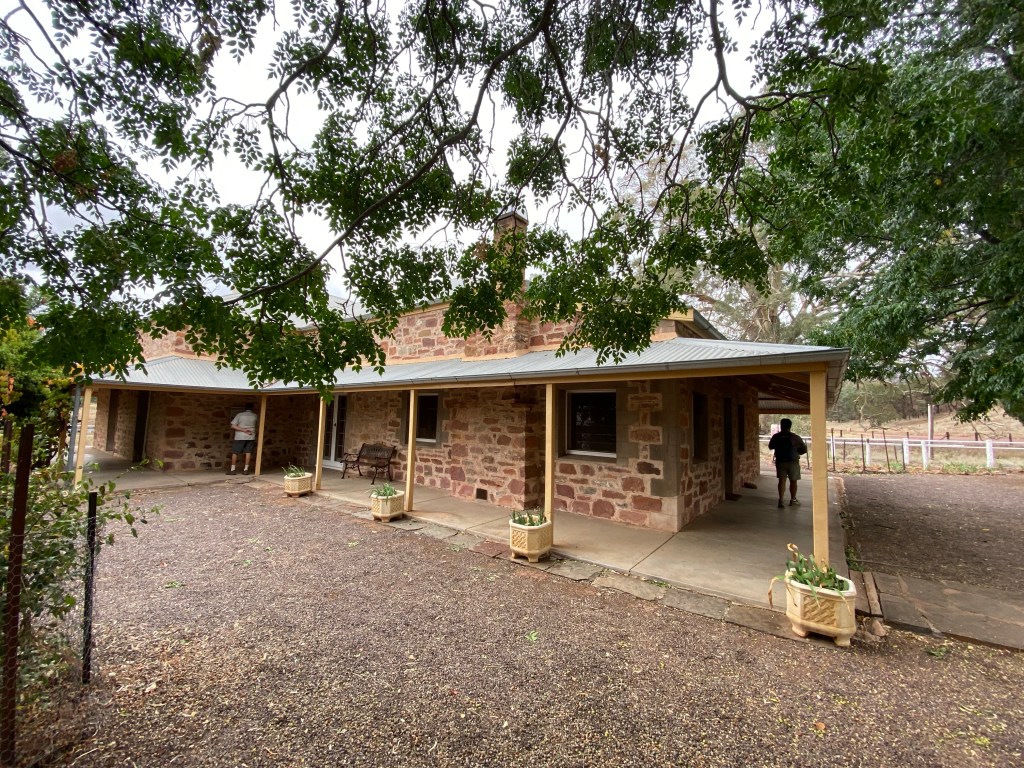
Wilpena Homestead
Humble or elegant, the main residence on the early runs was known as ‘Government House’. In the 1850s ‘Government House’ was typically a small pug and pine hut. Posts, rafters and battens were cut from local native pine. Walls were built using upright posts, often split and pugged with gravel, mud and lime mortar. Native grass or reed thatch was used to roof the huts. Most huts had rubble stone chimneys and some had flagstone floors.
A stone residence was built soon after 1860. Later, in 1888 the Wilpena Homestead was described asasubstantial five-roomedstone house with French windows, calico ceilings, a stone cellar, shingle- roofed verandahs, and a detached pinekitchen. Thekitchenwasin fact the original Government House, which survived until the early 1930s. The homestead was given an 1888 valuation of £403 4d ($806.)
After our visit to the homestead it was time to return to the caravan to start sorting out dinner.
We had a relaxing night with forecast rain overnight.
Tomorrow
We are doing a scenic drive through the ranges.

 morrisblog.travel.blog