Sunday 20th February 2022
Today we went to visit and say goodbye to some friends we’ve made in Darwin. Kyra and Matt were the couple we house sat for. It was a lovely catch up with lots of laughs and stories. Madeline had an absolutely hoot of a time playing with them. We had a chance to say goodbye to Milly dog as well.
Jason cleaned the caravan roof as the solar panels needed a good wash. While outside Eva was using the tank water in the van and Jason saw water spurting out of the new pressure limiting valve. Needless to say the valve was sold to us as a non-return valve and it was certainly not. So out we went for a different valve from a different store.
As we’ve been staying at Howard Springs, I’ve decided to look a little more into its history.
Howard Springs
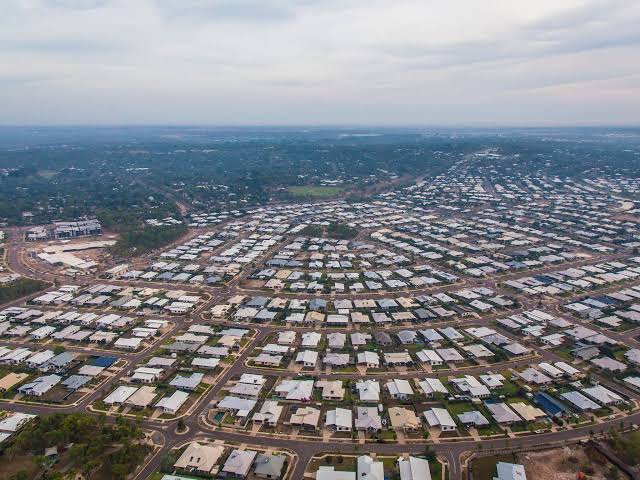
Howard Springs is 29 kilometres SE of the Darwin CBD. The suburb is mostly a rural area, but has been experiencing strong growth in population and development.
European settlement of the area began in 1864. The stream which commenced with a spring was named for Frederick Howard in 1865 by the survey party of B. T. Finniss. Howard was the captain of a schooner and a hydrographer.
Captain Howard was the master of the small topsail schooner HMS “Beatrice” which carried out exploration work from the Escape Cliffs settlement in 1864.
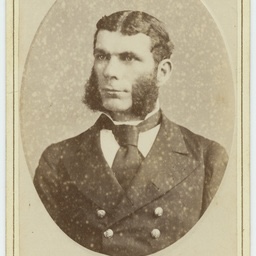
In 1864, the year after South Australia was granted control over the Northern Territory, the South Australian government decided that settlement of the area was desirable and sent a surveying and settlement expedition under the command of Lieutenant Colonel Boyle Travers Finniss, a former Premier of South Australia. He had been instructed to establish the settlement at Adam Bay and chose the Escape Cliffs site. Unfortunately the site was unfavourable due to tidal flooding and poor drainage in the wet season.
Although first examined in 1921, Howard Springs in 1939 became the first major water supply area to service Darwin, at one time also known as Worgan Springs. Discharge was calculated to be 1.9 million imperial gallons (8.6 M litres) every twenty-four hours. Later Manton Dam supplied water to Darwin with the onset of World War 2, but now most of Darwin’s water supply comes from Darwin River Dam.
Uranium was located in the area in November 1952, but not in a workable form.
It continues to be largely rural properties and is seeing an increase in housing development.
Tomorrow we do our weekly grocery shopping and more prep for our leaving on Thursday morning.

 morrisblog.travel.blog