
Friday 18 March 2022
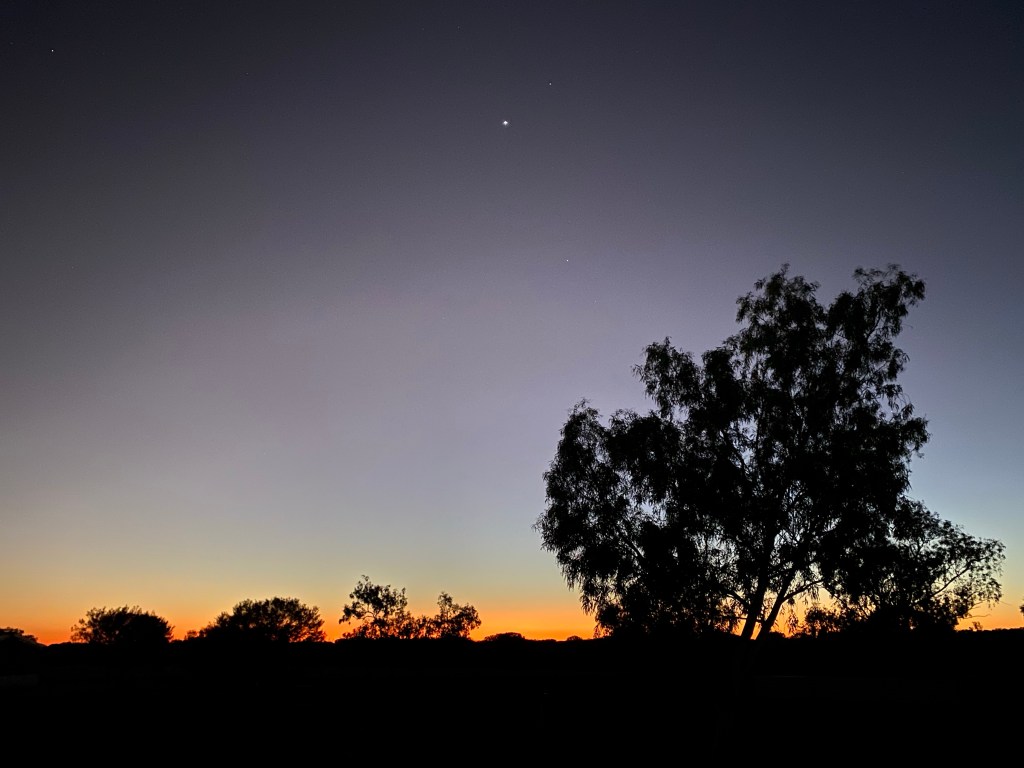
Today we woke up at 7am and….it was dark. So weird being back in daylight savings states. We got to actually see the sunrise though.
It was a quiet and peaceful sleep except for Eva getting slapped by Madeline over night and Jason being used as a foot rest all night.
We packed everything up and left Marla heading South East for Coober Pedy.
We made a stop for petrol and again to Feed Charlotte.
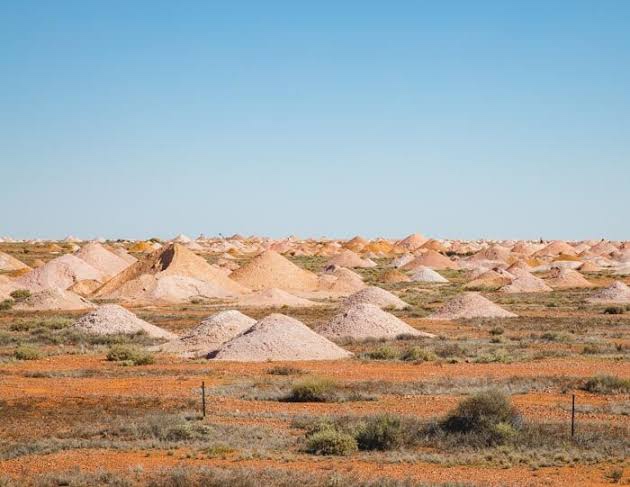
Coming into Coober Pedy surrounds, there was desert like arid and Barron land. The mining sites had tall sand structures showing how many core holes had been made.
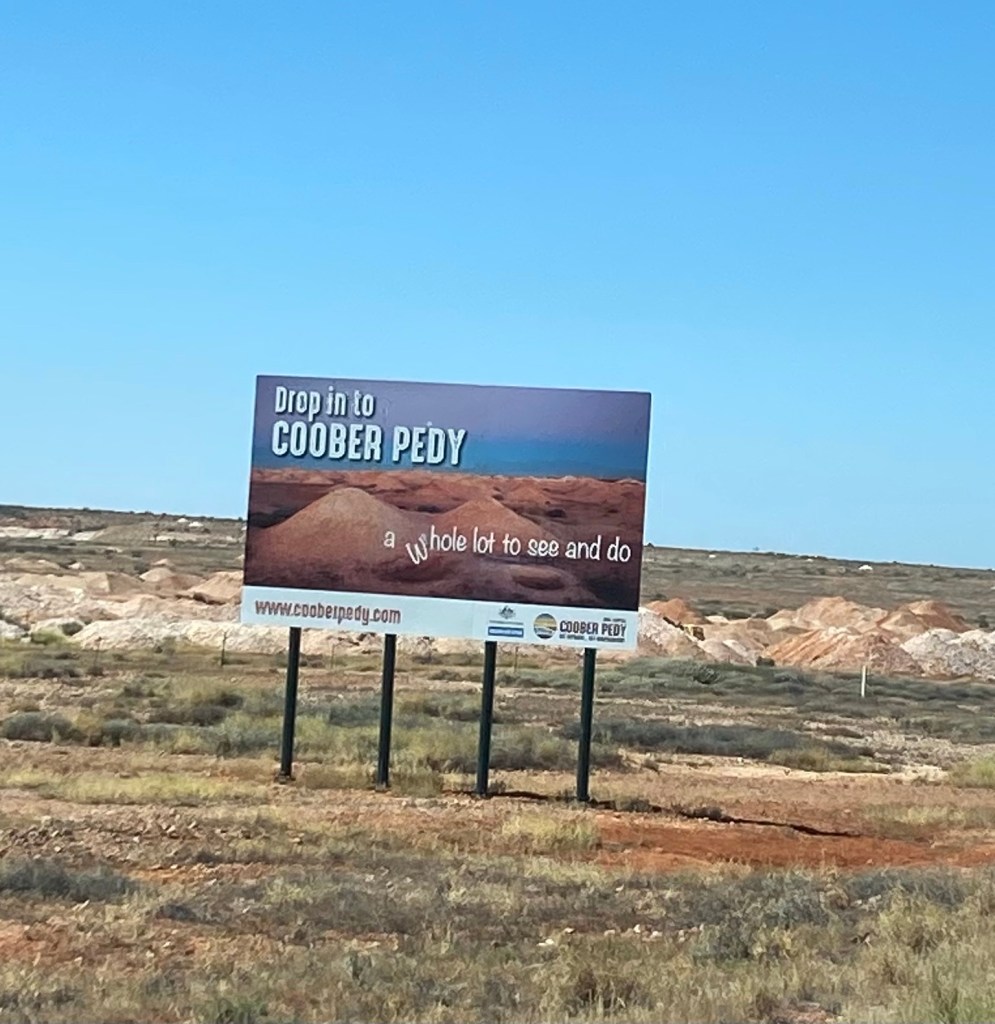
We arrived at Coober Pedy around midday. We checked in at the Big4 and set up the van. We then left in search of lunch and groceries.
We found a little cafe called Crystals Cafe and had lunch. It was underground.
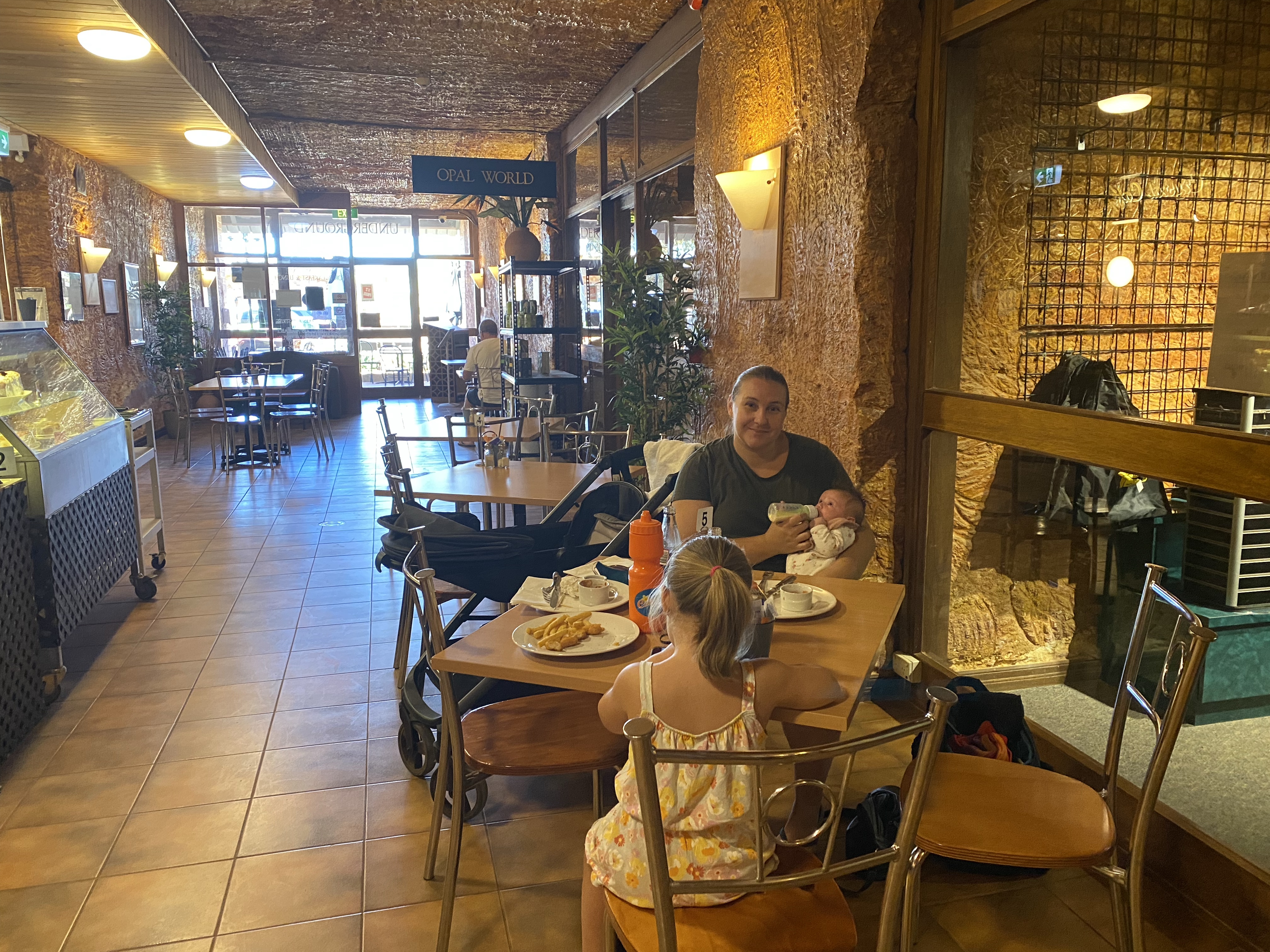
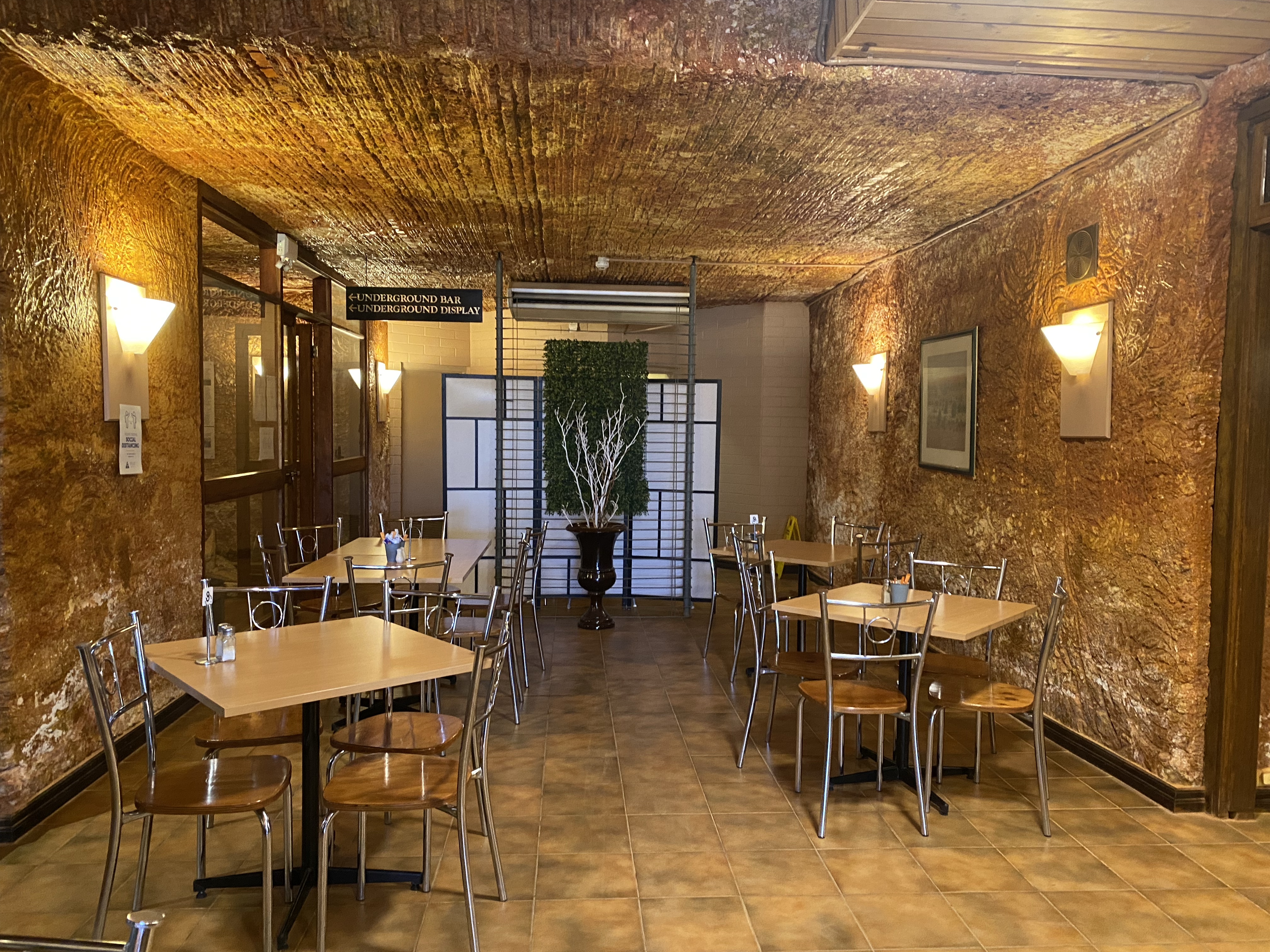
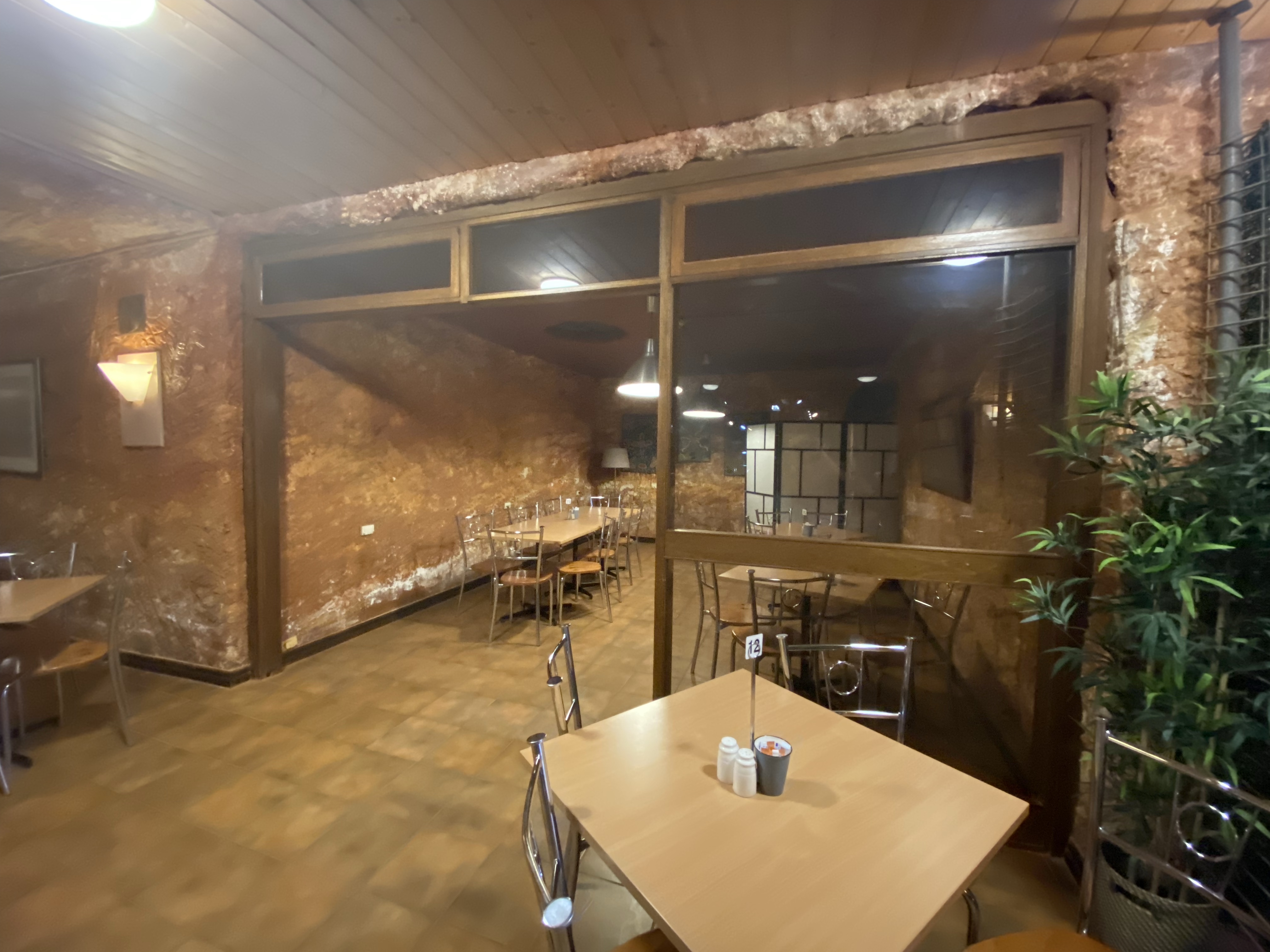
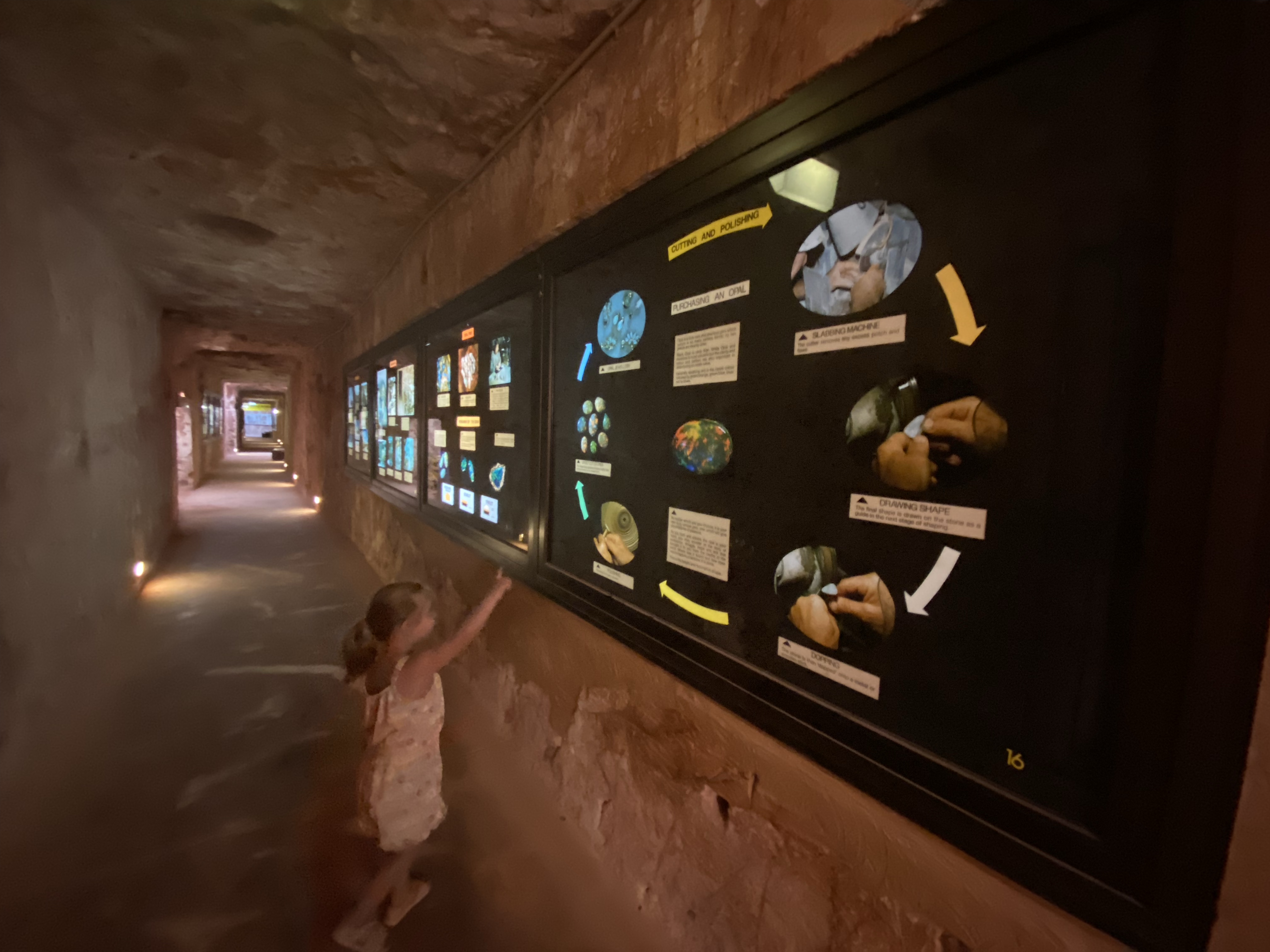
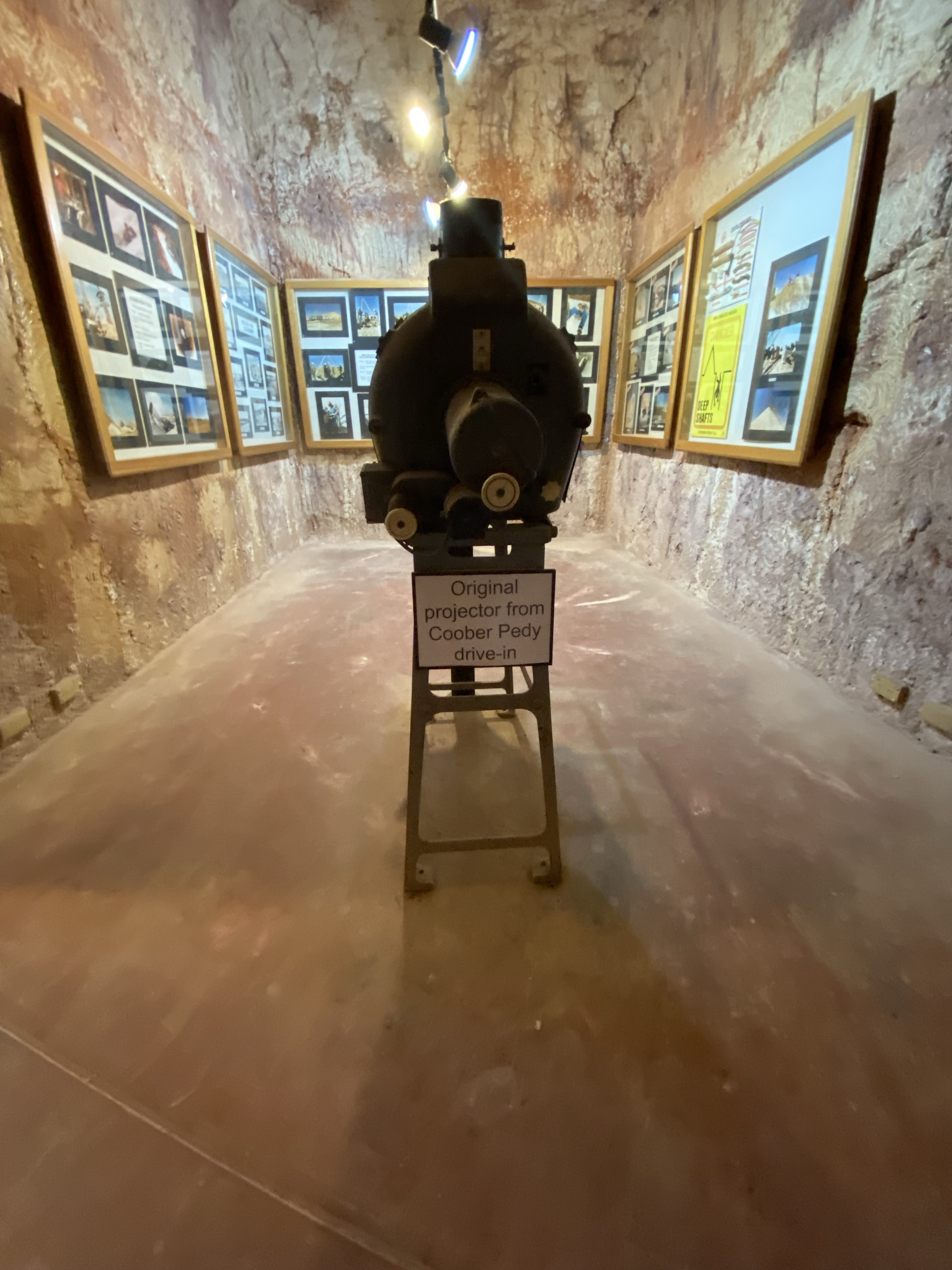
After lunch we had a look through the Opal museum at the same site before leaving to get groceries for the week.
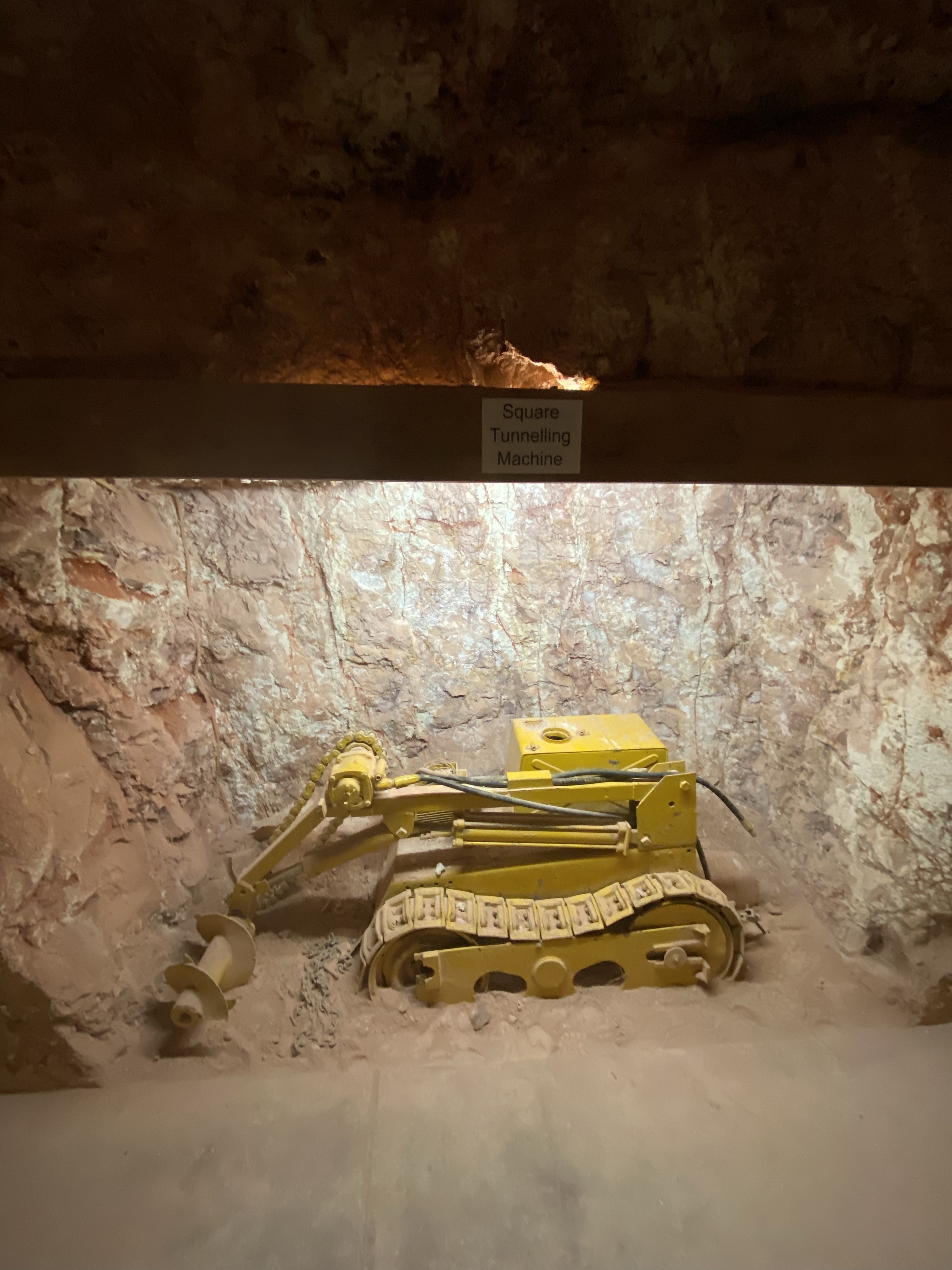
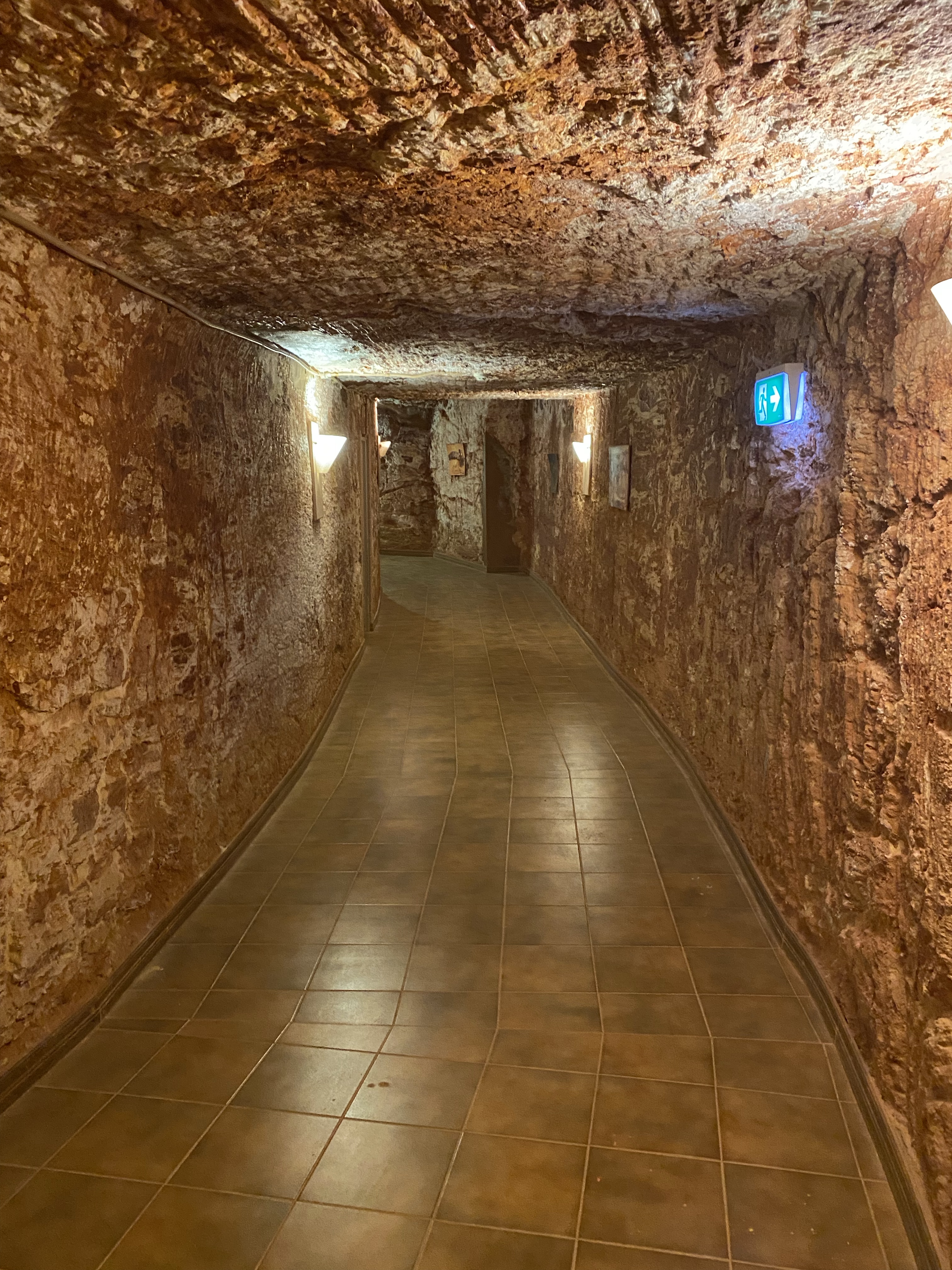
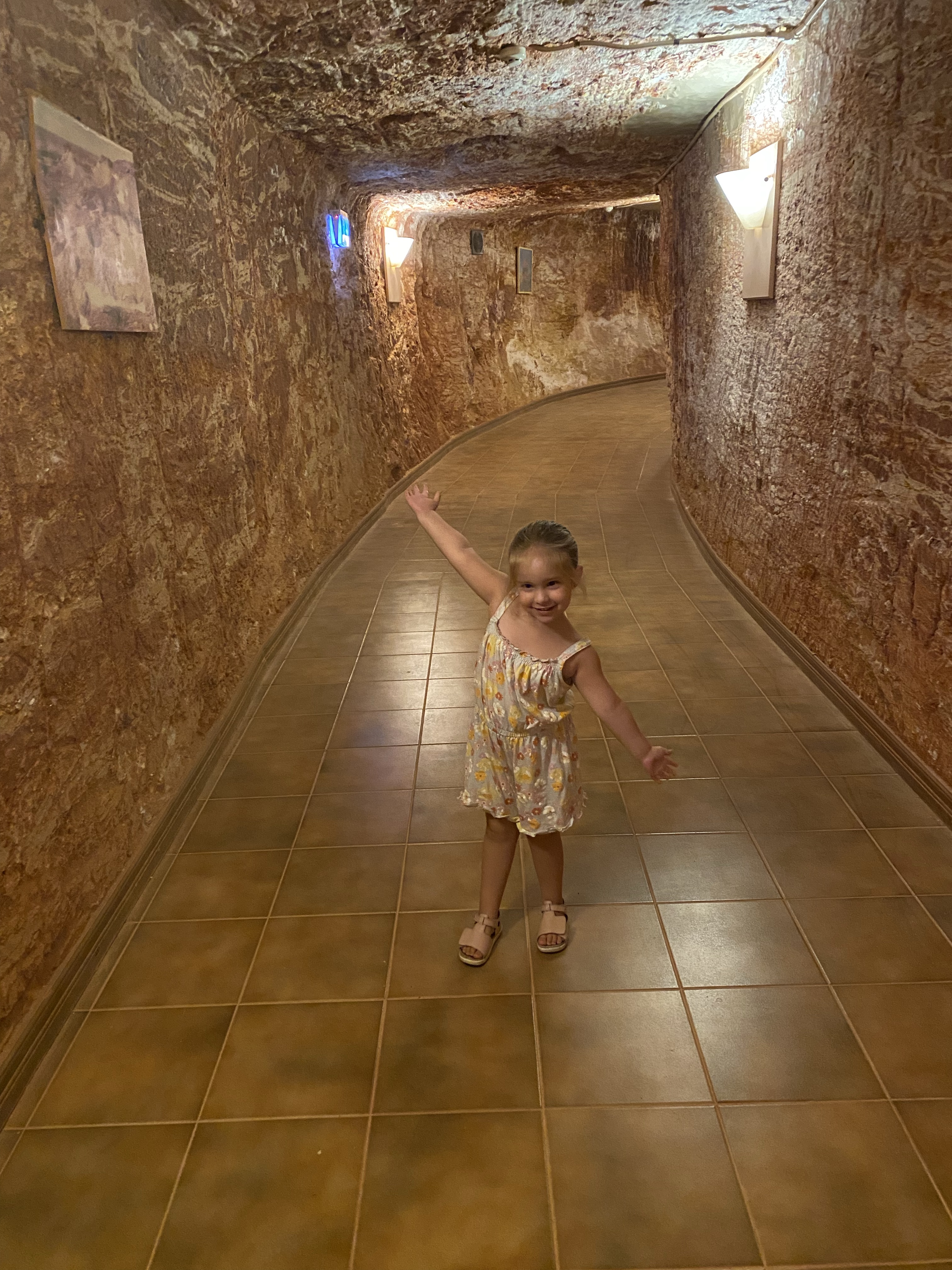
Coober Pedy
The origin of the name of the town (decided in 1920) is thought to derive from the words in the Aboriginal Kokatha language, kupa piti, usually translated as “whitefella – hole in the ground.”
The first European explorer to pass near the site of Coober Pedy was Scottish-born John McDouall Stuart in 1858.
The town was not established until after 1915, when the first opal was discovered by Wille Hutchison on 1 February of that year.
Opal miners started moving in around 1916.
In July 1975 the local Aboriginal people of Coober Pedy adopted the name Umoona, which means “long life” and is also their name for the mulga tree.
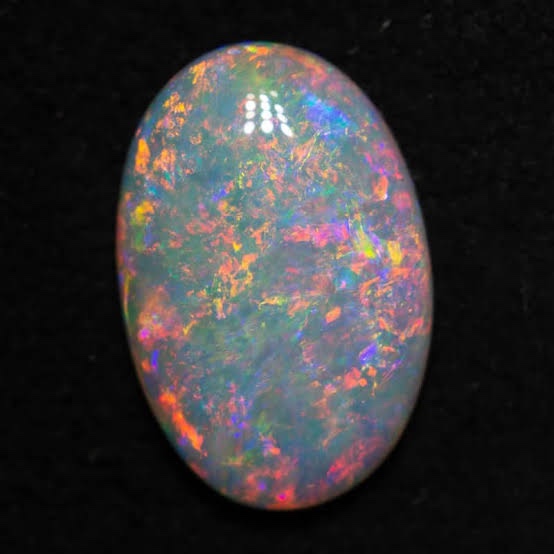
Opal
Approximately 150 million years ago, the ocean covered the Coober Pedy region. As the sea water receded, climatic changes caused the lowering of the underground water tables. Silica solutions were carried down to deposit in cavities, faults and fractures in the ground and now, millions of years later, these silica solutions have formed into opal.
Coober Pedy is the world’s largest opal bearing region and produces over 80% of Australia’s opal. There are 73 Opal fields on this region.
About 50% of the population live underground. The reason being that the temperature can rise to 50°C in summer and it is typically around 40°C in January. Underground the temperature remains a pleasant 25°C.
The current population is around 2,500 of which 60% were born overseas. Over 47 nationalities are represented with the majority of the population being either Greek, from the former Yugoslavia (ie Serbian, Macedonian) and Italian.
There are no large companies operating in the area and this has been achieved by the fact that a mining lease can only be acquired for an area of 50m x 50m or 50m x 100m.
Tomorrow
We will be visiting Umoona Opal mine and museum. Then we will visit the underground church’s.

 morrisblog.travel.blog